
Diseases
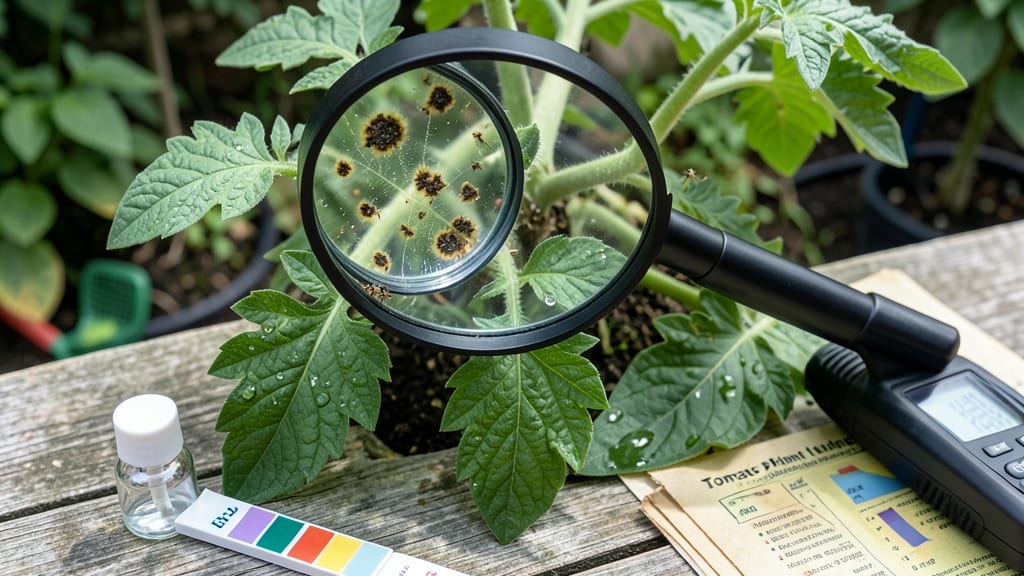
What causes brown spots on tomato leaves? They start with tiny specks and end with wilted plants if ignored. 🌱 I’ve watched early blight turn my thriving vines into sad, yellowing shadows—until I learned the warning signs and organic fixes that actually work. The culprits? Fungal spores (like early blight or septoria leaf spot) love warm, wet weather, but nutrient deficiencies or even sunscald can mimic the damage. The key difference? Fungal spots spread in concentric rings, while sunscald burns appear crisp and dry along leaf edges. With the right mix of pruning, copper spray, and mulch, you can stop the spread and revive your plants. I’ve saved entire plants just by acting fast—here’s exactly how to diagnose and treat it before it’s too late. This works for backyard gardens, containers, or even greenhouse tomatoes. The secret is catching it early and using the right tools for the job.
Why it happens
Brown spots on tomato leaves aren’t just a cosmetic nuisance—they’re often a cry for help from your plants. Understanding the why behind these blemishes is the first step to saving your harvest.
Below, we break down the most common culprits, from invisible invaders to environmental stressors, with the science behind their attacks.
🍄 Fungal Infections: The Silent Saboteurs
Fungi are the top offenders when it comes to brown spots, thriving in warm, humid conditions. Here’s how they strike:
- Early Blight (Alternaria solani): This fungus starts as small, dark spots with concentric rings (like a bullseye) on lower leaves. It spreads via spores splashed from soil or infected plant debris. Why it happens: The fungus exploits weak spots in the leaf cuticle, often worsened by overhead watering or poor airflow.
- Late Blight (Phytophthora infestans): A more aggressive pathogen, late blight causes greasy, brown spots that spread rapidly—especially in cool, wet weather. Why it happens: The fungus thrives in temperatures between 60–75°F (15–24°C) and high humidity, often entering leaves through stomata (tiny pores) or wounds.
- Septoria Leaf Spot (Septoria lycopersici): Tiny, circular spots with dark centers appear, often with grayish centers. Why it happens: This fungus overwinters in plant debris and spreads via rain or irrigation, exploiting moist conditions to colonize leaves.
💡 Pro Tip: Fungal spores love stagnant water. Avoid wetting leaves during watering, and space plants properly for airflow.
🦠 Bacterial Diseases: The Unseen Invaders
Unlike fungi, bacteria are microscopic and spread quickly. Here’s how they trigger brown spots:
- Bacterial Spot (Xanthomonas perforans or Pseudomonas syringae): Small, water-soaked spots turn brown with yellow halos. Why it happens: Bacteria enter through stomata or wounds, multiplying in warm (75–90°F / 24–32°C), wet conditions. They’re often spread by contaminated tools, wind, or splashing water.
- Bacterial Speck (Pseudomonas syringae pv. tomato): Tiny, raised spots (like freckles) appear, often with a yellow border. Why it happens: The bacteria thrive in high humidity and cool nights, entering leaves via natural openings or injuries.
🔥 Warning: Bacterial infections are harder to cure than fungal ones. Prevention (sterilized tools, crop rotation) is key!
🌡️ Environmental Stressors: When Leaves Cry for Help
Not all brown spots are caused by pathogens—sometimes, it’s your plant’s way of saying, “I’m struggling!” Here’s what’s going wrong:
- Sunscald: Pale or brown patches on leaves exposed to direct sunlight. Why it happens: Young or stressed plants get sunburned when suddenly moved to bright light (e.g., after shade cloth removal). The leaf cells cook from excess UV radiation.
- Water Stress: Scorched, crispy edges or spots from overwatering or underwatering. Why it happens:
- Overwatering: Leads to oxygen deprivation in roots, causing leaves to turn brown and wilt (a condition called phytoftthora root rot in extreme cases).
- Underwatering: Leaves lose turgor pressure, leading to dry, brown patches as cells collapse.
- Chemical Burns: Bleached or brown spots from fertilizer, herbicide, or pesticide drift. Why it happens: High salt concentrations (from over-fertilizing) or harsh chemicals disrupt cell membranes, causing necrosis (dead tissue).
🌡️ Quick Fix: Adjust watering (1–1.5 inches per week) and use mulch to regulate soil moisture and temperature.
🐛 Pests: The Tiny Leaf Chewers
Some brown spots aren’t spots at all—they’re holes or damage from pests. Here’s how they contribute:
- Spider Mites: Tiny webs and stippled, brownish leaves. Why it happens: These pests suck sap, causing cells to die and turn brown. They thrive in dry, hot conditions (above 85°F / 29°C).
- Aphids: Sticky residue (honeydew) and yellow/brown curled leaves. Why it happens: Aphids pierce leaves to feed, injecting toxins that cause browning. They also spread viral diseases.
- Flea Beetles: Tiny, shot-like holes in leaves. Why it happens: These beetles chew on leaf edges, creating stress points that turn brown as the plant struggles to heal.
🎯 Prevention: Blast leaves with water to dislodge pests or introduce beneficial insects like ladybugs.
🌱 Nutritional Deficiencies: When Leaves Starve
Brown spots can also signal a hungry tomato plant. Here’s what’s missing:
| Deficiency | Brown Spot Location | Why It Happens |
|---|---|---|
| Magnesium (Mg) | Interveinal chlorosis (yellow between veins) turning brown | Magnesium is crucial for chlorophyll. Poor soil or over-fertilizing with nitrogen (which competes with Mg uptake) causes it. |
| Potassium (K) | Brown edges or tips on older leaves | Potassium regulates water and nutrient movement. Deficiency weakens cell walls, leading to browning under stress. |
| Calcium (Ca) | New leaves show brown, crispy spots | Calcium is immobile in plants—new growth suffers first. Poor soil drainage or high nitrogen levels block calcium uptake. |
💡 Soil Test Tip: If you suspect deficiencies, test your soil and amend with compost or specific fertilizers (e.g., Epsom salt for magnesium).
Fixing Brown Spots Naturally
Brown spots on tomato leaves don’t have to mean the end of your harvest! With the right approach, you can reverse the damage, save your plants, and even prevent future outbreaks.
Below, we’ve mapped out practical, organic solutions tailored to each cause—so grab your gardening gloves and let’s get to work.
Fungal infections thrive in damp conditions, but you can starve them out with these steps.
🔥 Remove Infected Leaves Immediately
- How: Snip off or pull any leaves with brown spots (especially the lower ones) and dispose of them in the trash—not the compost bin.
- Why: Fungal spores spread like wildfire.
Removing the source cuts off their lifecycle. - Pro Tip: 💡 Use sterilized pruners (wipe with rubbing alcohol between cuts) to avoid cross-contamination.
🌬️ Improve Airflow & Space Plants
- How: Thin out crowded plants so leaves aren’t brushing together. Stake or cage tomatoes to keep them upright.
- Why: Fungi love humidity. Good airflow dries leaves faster, making it harder for spores to take hold.
💧 Water at the Right Time
- How: Water early in the morning (before 10 AM) and avoid overhead sprinkling. Use a soaker hose or drip irrigation to keep soil (not leaves) moist.
- Why: Wet leaves = fungal buffet.
Morning watering gives foliage time to dry before nighttime dampness sets in.
🍯 Organic Fungicides & Sprays
- Baking Soda Spray (Preventative):
- Mix 1 tsp baking soda + 1 tbsp vegetable oil + 1 tsp mild soap + 1 gallon water.
- Spray every 7–10 days on dry leaves (test a small area first).
- Copper Fungicide (Cure & Prevent):
- Use a ready-made organic copper spray (like Bonide Copper Fungicide) once a week for 2–3 weeks.
- Neem Oil (Multi-Purpose):
- Mix 1 tbsp neem oil + 1 tsp mild soap + 1 quart water.
Spray every 5–7 days in the evening (neem is toxic to bees during daylight).
🌱 Soil & Mulch Fixes
- Remove old mulch and replace with straw or grass clippings (avoid wood chips—they retain moisture).
- Add compost to boost plant health and resilience.
If the spots are dry, crispy, and on upper leaves, your tomatoes are sunburned.
🌿 Provide Shade Cloth
- How: Install 30–50% shade cloth over plants during peak sun (11 AM–3 PM), especially in hot climates.
- DIY Fix: Use white bedsheets draped loosely over cages (secure with clips).
💦 Increase Watering (But Smartly)
- How: Water deeply 1–2 inches into the soil daily during heatwaves. Use mulch to retain moisture.
- Avoid: Wetting leaves in the heat—this can worsen scorch.
🌱 Adjust Planting Timing
- Prevention: Plant tomatoes earlier in cooler seasons or choose heat-tolerant varieties (like ‘Heatmaster’ or ‘Solar Fire’).
Tiny pests can cause speckled brown spots by sucking sap and spreading viruses.
🔍 Inspect & Remove Pests
- How: Rinse plants with a strong stream of water to knock off pests. Check the undersides of leaves daily.
- Homemade Spray:
- Mix 1 tsp dish soap + 1 quart water and spray directly on pests (reapply every 2–3 days).
🌿 Introduce Beneficial Insects
- Ladybugs, lacewings, or predatory mites eat aphids and mites naturally. Buy them from garden centers or attract them with dill, fennel, or marigolds.
🍋 Oil Sprays (For Stubborn Infestations)
- Horticultural oil (like Neem oil or refined peppermint oil) smothers pests. Spray in the early morning or evening (avoid bees).
Brown spots from root rot or nutrient deficiency need a soil reset.
⏰ Adjust Watering Habits
- How: Let the top 1–2 inches of soil dry out between waterings. Stick your finger in—if it’s damp, wait.
- Fix Drainage: Amend heavy soil with perlite or compost to improve airflow.
🌱 Fertilize Properly
- Use a balanced organic fertilizer (like fish emulsion or worm castings) to correct deficiencies.
- Avoid high-nitrogen fertilizers—they encourage leafy growth but weaken disease resistance.
🪴 Repot or Relocate (If Needed)
- If pots are waterlogged, move plants to a well-draining container with fresh potting mix.
✅ Rotate crops—don’t plant tomatoes in the same spot yearly. ✅ Start with disease-resistant seeds (look for labels like ‘VFN’ for virus/fungal resistance). ✅ Clean tools between plants to avoid spreading spores. ✅ Test soil pH (aim for 6.0–6.8)—fungi love acidic soil. ✅ Harvest promptly—ripe tomatoes attract fewer pests.
Final Thought: 🎯 With these fixes, your tomato plants can bounce back—sometimes in as little as 2–3 weeks! The key is acting fast and staying consistent. Happy gardening!
Frequently asked questions about tomato leaf spots
Why do my tomato leaves get brown spots even when I water them regularly?
Overwatering can actually cause brown spots by creating root rot or fungal diseases like early blight. The key is consistent moisture—water deeply 1–2 inches into soil when the top 1–2 inches feel dry. Avoid wetting leaves to prevent fungal spores from thriving.
Can I still eat tomatoes if the leaves have brown spots?
Yes, but only if the spots are from environmental stress (like sunscald) or minor pests. If fungal diseases (like early blight) are present, remove heavily infected leaves and avoid eating tomatoes from those plants. Fungal spores can contaminate the fruit, though they’re usually safe to eat if washed thoroughly.
How can I tell if brown spots are from fungus or bacteria?
Fungal spots (like early blight) often have concentric rings and appear on lower leaves first. Bacterial spots are usually smaller, water-soaked with yellow halos and spread rapidly in warm, wet conditions. Test with a sterilized knife—if the spot oozes when cut, it’s likely bacterial.
Will pruning infected leaves help stop the spread?
Removing infected leaves immediately is one of the best defenses. Use sterilized pruners (wipe with rubbing alcohol) and dispose of leaves in the trash—not compost. This cuts off the fungus’s food source and prevents spores from spreading to healthy leaves.
Can I use vinegar spray to treat brown spots on tomato leaves?
Not recommended! Vinegar is too harsh and can burn leaves. For fungal issues, use baking soda spray (1 tsp baking soda + 1 tbsp oil + 1 tsp soap per gallon of water) or copper fungicide. These are gentler but still effective against fungal spores.