
Leaf Blower
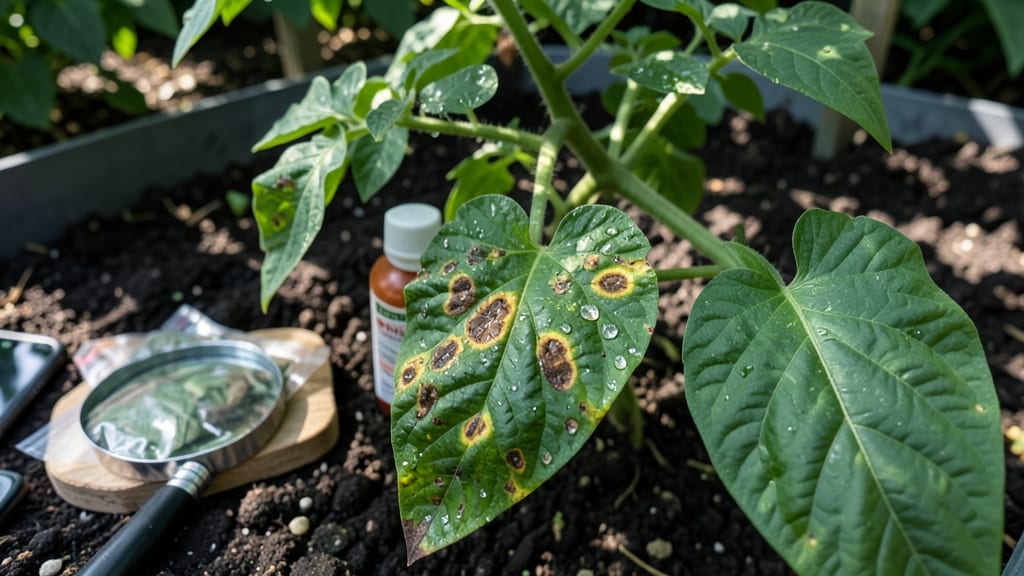
Those tiny dark spots with yellow halos on the tomato leaf bacterial spot could ruin your harvest if ignored. 🌱 I’ve watched bacterial spot turn healthy plants into skeletal shadows in just 10 days, but early action stops it dead.
This isn’t just about sprays—it’s about catching it before it spreads like wildfire through your garden.
The moment you see those spots, isolate affected plants immediately. Bacterial spot thrives in wet, crowded conditions, so prune leaves to improve airflow and remove any fallen debris where bacteria hide.
I’ve saved entire tomato cages by acting within 48 hours of first sighting—don’t wait until the leaves look like Swiss cheese.
Your best defense is a copper fungicide spray (organic option) or a mix of baking soda and soap (cheap and effective). Apply when leaves are dry, and repeat every 7-10 days during wet seasons. The key? Consistency. One treatment won’t cut it—this disease is stubborn, but you can outsmart it.
For next season, choose resistant varieties like ‘Mountain Merit’ or ‘Defiant PhR,’ space plants wider, and avoid overhead watering. Trust me, these small changes make all the difference when bacterial spot strikes again. Your tomatoes will thank you.
Root Causes Behind Leaf Spots
Understanding why tomato leaves develop bacterial spot is the first step to stopping it in its tracks. This stubborn disease doesn’t strike randomly—it thrives due to a mix of environmental factors, pathogen behavior, and even gardening habits. Let’s break down the key triggers so you can address them effectively.
Bacterial spot (Xanthomonas perforans or X. vesicatoria) loves moisture—think of it as the disease equivalent of a soggy sponge. When leaves stay damp for extended periods, the bacteria multiply rapidly and invade through tiny wounds or natural openings (like stomata). Here’s why it happens:
- Prolonged Leaf Wetness: Leaves need less than 4–6 hours of wetness to stay healthy. If rain, dew, or overhead irrigation lingers, bacteria get a free pass to spread. - High Humidity (80%+): Humid air traps moisture on leaves, creating the perfect breeding ground.
Greenhouses or dense plantings with poor airflow worsen this. - Morning Dew: While natural, dew can be deadly if not shaken off by mid-morning. Bacteria hitchhike on water droplets and infect leaves before the sun dries them.
Actionable Fix: Space plants for airflow, water at the base (not overhead), and avoid late-day watering. Use drip irrigation or soaker hoses to keep foliage dry.
Bacterial spot thrives in warm (77–95°F / 25–35°C) and stagnant conditions. Unlike fungal diseases that slow in heat, this bacterium accelerates when temperatures are ideal. Here’s the science:
- Optimal Growth Range: Bacteria multiply fastest between 86–95°F (30–35°C).
If your garden is a sauna, expect outbreaks. - Still Air: Poor ventilation (common in greenhouses or crowded rows) traps heat and moisture, amplifying the problem. - Nighttime Temperatures: If nights stay above 70°F (21°C), bacteria remain active overnight, ready to infect at dawn.
Actionable Fix: Use shade cloth in peak summer, prune for better airflow, and opt for heat-tolerant tomato varieties like ‘Celebrity’ or ‘Solar Fire.’
Bacteria are hitchhikers—they cling to tools, soil, and even your hands. Here’s how they sneak into your garden:
- Dirty Pruners/Shears: A single cut with unsterilized tools can transfer bacteria from infected to healthy plants.
- Infected Plant Debris: Leaving diseased leaves or stems in the soil spreads spores to new plants.
- Contaminated Water: Reusing water from cleaning infected plants or using recycled rainwater barrels can reintroduce bacteria.
Actionable Fix: Sterilize tools with 70% rubbing alcohol or a 10% bleach solution between uses. Remove and destroy infected debris (don’t compost it!). Use fresh potting mix for transplants.
Healthy plants fight off bacterial spot better. Stressors like nutrient deficiencies, root damage, or transplant shock lower their defenses. Common triggers include:
- Nitrogen Deficiency: Yellowing leaves (chlorosis) weaken the plant’s immune response.
- Root Disturbance: Overwatering, compacted soil, or rough handling during transplanting create entry points.
- Pests: Spider mites or aphids damage leaves, leaving wounds for bacteria to exploit.
Actionable Fix: Test soil pH (aim for 6.0–6.8), fertilize with balanced NPK (e.g., 10-10-10), and avoid overcrowding. Use row covers early to deter pests.
Bacterial spot spreads like wildfire in tight quarters. When plants are packed too closely:
- Limited Air Circulation: Moisture lingers, and bacteria jump from leaf to leaf via splashing water or windborne droplets.
- Shaded Lower Leaves: Dark, damp undersides of leaves stay wet longer, becoming hotspots for infection.
- Overlapping Foliage: Leaves touching each other create bridges for bacterial transfer.
Actionable Fix: Follow spacing guidelines (e.g., 18–24 inches apart for indeterminate tomatoes). Stake or cage plants to elevate foliage and improve airflow.
Bacterial spot can lurk in your garden for years. Here’s how it persists:
- Surviving in Soil: Bacteria overwinter in plant debris, weeds, or soil and reinfect the next season.
- Infected Seedlings: Transplanting contaminated starts introduces the disease before symptoms even appear.
- Wild Hosts: Weeds like nightshade or pepper weeds can harbor the bacteria and spread it to tomatoes.
Actionable Fix: Rotate crops (avoid planting tomatoes in the same spot for 3+ years). Buy disease-resistant seedlings (look for ‘V’ or ‘T’ prefixes, like ‘Mountain Merit’). Remove wild hosts from your garden beds.
Splashing water is the bacteria’s favorite mode of transport. Here’s why it’s a problem:
- Splash Dispersal: Water droplets carry bacteria up to 3 feet from infected soil to healthy leaves.
- Foliar Contamination: Overhead sprinklers wet leaves for hours, extending the bacteria’s window to invade.
- Night Watering: Cool, humid nights + wet leaves = bacterial buffet.
Actionable Fix: Switch to drip irrigation or soaker hoses. If you must use overhead watering, do it early in the day so leaves dry by afternoon.
Bacterial spot doesn’t pick one cause—it’s usually a combo of wet leaves + warm temps + stressed plants. The good news? By tackling moisture control, airflow, and sanitation, you can starve this disease out before it takes hold.
Stay vigilant, and your tomatoes will thank you with spot-free, vibrant leaves! 🌿🚫🦠
Quick Fixes for Diseased Tomato Leaves
If your tomato plants are showing signs of bacterial spot—those dark, greasy-looking lesions on leaves—don’t panic! With the right steps, you can slow the spread, save your plants, and even prevent future outbreaks.
Below, we’ve broken down the most effective solutions based on the root cause of the problem, from immediate fixes to long-term prevention.
Bacterial spot spreads like wildfire, so the first rule is containment. The longer infected leaves or fruit stay on the plant, the more the bacteria can multiply and jump to healthy parts.
- 🍳 Snip it out: Use clean, sharp pruners (or scissors) to remove any leaves with dark spots, brown edges, or yellowing. Don’t tear them—this can spread bacteria through the air.
- 👨🍳 Bag and bin it: Place infected plant debris in a sealed plastic bag (not your compost pile!). Throw it in the trash immediately—do not leave it near your garden.
- 🥘 Check the fruit: If tomatoes show spots, pick them and cook or eat them right away (the bacteria won’t harm you, but it can reinfect your garden). Discard severely damaged fruit.
Pro tip: 💡 Sterilize your pruners with rubbing alcohol between cuts to avoid transferring bacteria.
Bacterial spot thrives in wet conditions, so how you water your tomatoes makes a huge difference. Poor watering habits are often the silent culprit behind outbreaks.
- 🔥 Water at the base: Avoid overhead sprinklers or watering leaves. Instead, use a drip irrigation system or water the soil at the plant’s base in the early morning so leaves dry quickly.
- ⏰ Space it out: Water deeply but infrequently—tomatoes hate soggy roots. Aim for 1–1.5 inches of water per week (including rain).
- 🎯 Improve drainage: If your soil stays muddy after watering, amend it with compost or sand to help water drain faster.
Pro tip: 🌡️ If you must water in the evening, avoid wet foliage by using a soaker hose that delivers water directly to the soil.
While bacterial spot isn’t a fungus, many natural treatments can reduce bacterial load and strengthen your plants’ defenses. These won’t cure an advanced infection, but they’ll help weak plants fight back.
| Treatment | How to Use | When to Apply |
|---|---|---|
| Copper fungicide (e.g., Bordeaux mixture) | Mix according to package instructions and spray undersides of leaves (where bacteria hide). | Apply every 7–10 days during wet seasons or after heavy rain. |
| Baking soda spray (1 tsp baking soda + 1 quart water + a drop of dish soap) | Spray evenly on both sides of leaves. Avoid spraying in direct sunlight (can burn leaves). | Use preventatively every 2 weeks or after rain. |
| Neem oil (1 tbsp neem oil + 1 quart water + 1 tsp mild soap) | Shake well and spray all leaf surfaces. Reapply after rain. | Apply weekly during humid weather. |
Pro tip: ✨ Rotate treatments—don’t rely on just one. Bacteria can build resistance!
The best way to beat bacterial spot? Stop it before it starts. These habits will create an unwelcoming environment for the bacteria.
- 🔥 Choose resistant varieties: Plant tomatoes labeled as resistant to bacterial spot (e.g., ‘Mountain Merit,’ ‘Defiant PhR,’ or ‘Bush Early Girl’).
- 🌡️ Space plants properly: Overcrowded tomatoes trap moisture. Give each plant 18–24 inches of space and prune suckers to improve airflow.
- 🎯 Clean up debris: Remove all plant residues at the end of the season—don’t leave old leaves or stems in the soil.
- ✨ Test your soil: Bacterial spot loves acidic or nutrient-poor soil. Test your soil pH (aim for 6.0–6.8) and amend with compost or lime if needed.
Pro tip: 💡 Crop rotation is a game-changer! Don’t plant tomatoes (or peppers/eggplants, which share the same bacteria) in the same spot for at least 3 years.
With these steps, you can turn the tide on bacterial spot and keep your tomato plants thriving. Early action is key—don’t wait until the damage spreads! 🍅💪
Frequently asked questions
How can I tell if my tomato plant has bacterial spot vs. early blight or septoria leaf spot?
Bacterial spot creates small, water-soaked lesions that turn dark brown with yellow halos. Unlike fungal spots, these lesions often have greasy edges and can appear on both leaf surfaces and fruit. Early blight shows concentric rings, while septoria has tiny black dots in the center of spots. Check undersides of leaves first—bacterial spot loves hiding there!
Is it safe to eat tomatoes with bacterial spot?
Yes, the bacteria Xanthomonas won't harm you, but the spots make fruit unappealing. Pick spotted tomatoes early and use them for cooking (blanching kills any surface bacteria). Discard severely damaged fruit to prevent reinfection. Always wash all produce thoroughly before eating.
Why does my copper spray stop working after a few applications?
Bacteria can develop resistance to copper over time. Rotate treatments with baking soda or neem oil, and always apply when leaves are completely dry. Never exceed label rates—more copper doesn't mean better results. For severe cases, use a different active ingredient like potassium bicarbonate.
Can I save my tomato plants if bacterial spot is already spreading?
Early action gives you the best chance! Remove all infected leaves immediately, space plants wider for airflow, and apply copper spray every 7 days. For advanced cases, consider replacing heavily infected plants. The key is stopping the spread—don't let it become a systemic infection in the stems.
What's the fastest way to dry tomato leaves after rain?
Use a fan on low setting or gently shake plants to remove water droplets. Avoid overhead watering entirely—switch to drip irrigation or soaker hoses. If using row covers, remove them during the day to allow airflow. Leaves should dry within 4-6 hours to prevent bacterial growth.