
Vegetables
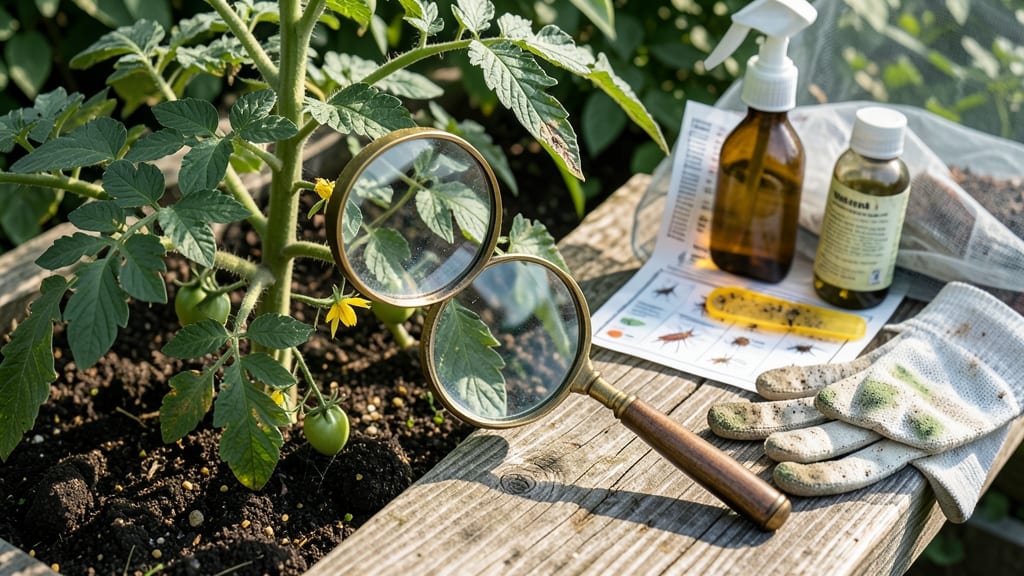
Tomato leaf pests turn your lush plants into a buffet for hungry insects—aphids, spider mites, and hornworms can strip a plant bare in days. 🌱 I’ve lost entire harvests to these tiny invaders, but this preventative spray mix stops them before they start, using ingredients you likely already have at home.
The key is acting early: check leaves daily for sticky residue (aphids), fine webbing (spider mites), or chewed stems (hornworms). A neem oil spray or soapy water mix applied every 7-10 days creates a protective barrier that pests avoid, without harming your plants or the environment.
You’ll see fewer pests within 2-3 applications, and your tomatoes will grow stronger with fewer interruptions. The best part? This method works for all leaf-eating pests, not just the obvious ones. Start spraying at the first sign of trouble, and you’ll save your harvest—and your sanity—all season long.
Root Causes Of Leaf Damage
Understanding why tomato leaves become a buffet for pests starts with recognizing the environmental triggers and plant vulnerabilities that invite these tiny troublemakers. Here’s a breakdown of the key factors turning your lush foliage into a pest paradise—and how they happen.
🌱 Why it happens: Tomatoes thrive when they have space to breathe, but when plants grow too close together, their leaves brush against each other, creating moist, shaded microclimates that pests adore.
Overcrowding also reduces airflow, trapping humidity and slowing leaf drying after watering—both prime conditions for soft-bodied insects like aphids, whiteflies, and spider mites to thrive.
- The science: Pests like aphids (🐜) secrete a sticky honeydew that attracts fungal growth (sooty mold), while spider mites (🕷️) prefer dry, warm conditions—exactly what overcrowded plants provide. - Actionable fix: Space tomato plants 18–24 inches apart (or follow your variety’s recommended spacing) and prune suckers to improve airflow.
If you’re growing in containers, ensure they’re large enough to avoid root competition.
💀 Why it happens: Stressed tomatoes are like open invitations to pests. Nutrient deficiencies, improper watering, or disease weaken leaves, making them easier targets.
For example: - Nitrogen deficiency (yellowing lower leaves) signals poor health, attracting hornworms (🦋) that devour foliage. - Overwatering or underwatering disrupts the plant’s natural defenses, leaving it vulnerable to fungal pests like thrips or leaf miners. - Viral or bacterial infections (e.g., early blight) create entry points for secondary pests like stink bugs (🐞), which feed on damaged tissue.
- The science: Healthy plants produce bitter alkaloids (natural deterrents), but stress reduces these compounds, making leaves more palatable.
- Actionable fix: Conduct a soil test to check pH/nutrients, water deeply 1–2 times per week (never wet leaves), and rotate crops annually to prevent soil-borne diseases.
🧹 Why it happens: Pests don’t disappear—they hibernate in garden debris.
Old plant matter, fallen leaves, and even mulch piled too high near stems provide shelter for: - Eggs of colorado potato beetles (🐞) or tomato hornworms. - Adult pests like whiteflies or leafhoppers (🦟) that emerge when conditions warm up. - Fungal spores (e.g., early blight) that infect new plants if not removed.
- The science: Many pests have multigenerational life cycles—meaning one season’s eggs can hatch into a full-blown infestation the next.
- Actionable fix: Clear debris from the garden bed in fall, compost only pest-free plant material, and avoid mulching too close to stems (keep 2–3 inches away).
🧪 Why it happens: Tomatoes rely on balanced nutrients, and imbalances can alter leaf chemistry, making them irresistible to certain pests:
- High phosphorus (from over-fertilizing) can make leaves softer, attracting cutworms (🐛) or slugs.
- Low potassium (weak stems, yellow edges) invites stink bugs (🐞), which target stressed tissue.
- Excessive synthetic fertilizers (especially nitrogen) can burn roots, weakening the plant and attracting root-feeding pests like wireworms.
- The science: Pests often prefer specific plant chemistries. For example, aphids are drawn to high-sugar leaves (common in over-fertilized plants).
- Actionable fix: Use a balanced fertilizer (e.g., 10-10-10) and foliar feed with seaweed or fish emulsion for natural pest resistance. Avoid synthetic fertilizers mid-season.
🌡️ Why it happens: Pests are opportunistic—they exploit temperature and humidity shifts to multiply.
For example: - Hot, dry weather (above 85°F) stresses plants, boosting spider mite (🕷️) populations, which thrive in arid conditions. - Humid, rainy seasons create ideal conditions for fungal pests like whiteflies or leaf miners, which love moist environments. - Sudden temperature drops (e.g., spring frost followed by warmth) can stun plants, making them vulnerable to hornworms or caterpillars.
- The science: Many pests time their life cycles with tomato growth stages.
For instance, tomato fruitworms (🐛) emerge when tomatoes flower. - Actionable fix: Use row covers in early spring to protect young plants, mulch to regulate soil temperature, and water deeply in the morning to reduce humidity on leaves.
🐝 Why it happens: Pests and their natural predators (like ladybugs 🐞 or lacewings 🕷️) are in a delicate balance. If your garden lacks pollinators or predator insects, pests can explode unchecked.
Common disruptors: - Overuse of broad-spectrum pesticides (kills both pests and beneficial insects). - Monoculture planting (large blocks of tomatoes with no diversity). - Lack of flowering plants (which attract predator insects).
- The science: A diverse ecosystem supports 3–4 times more predator insects, naturally keeping pest populations in check.
- Actionable fix: Plant companion flowers (e.g., marigolds, dill, or basil) near tomatoes, avoid chemical sprays, and install bee hotels to boost beneficial insect populations.
Quick Fixes for Healthy Tomato Leaves
Tomato leaf pests can turn your thriving plants into a sad, chewed-up mess—but don’t panic! With the right approach, you can reverse damage, protect future growth, and keep your tomatoes flourishing.
Below, we’ve mapped out practical, step-by-step solutions for the most common culprits, from aphids to spider mites, plus prevention tips to stop pests before they start.
Cause: These sap-sucking insects cluster on undersides of leaves, leaving sticky residue (honeydew) that attracts mold. Fix:
- 🔥 Blast Them Off – Spray leaves with a strong stream of water (aphids hate this!). Repeat every 2–3 days.
- 🍳 Soapy Solution – Mix 1 tsp mild dish soap + 1 quart water in a spray bottle. Drench infested areas until dripping. Test on a small leaf first!
- 👨🍳 Introduce Predators – Ladybugs and lacewings love aphids. Buy them online or attract them with dill or fennel as companion plants.
💡 Prevention Tip: Plant garlic, chives, or marigolds nearby—aphids avoid these strong scents!
Cause: These microscopic pests thrive in dry heat, sucking juices and causing yellow stippling on leaves. Fix:
- 🌡️ Increase Humidity – Spider mites hate moisture. Mist plants daily or place a shallow tray of water near them.
- 🔪 Neem Oil Spray – Mix 1 tbsp neem oil + 1 tsp mild soap + 1 quart water. Spray every 5–7 days until gone.
- 🧼 Scrub Infested Leaves – Use a soft brush dipped in soapy water to wipe off webs and mites.
💡 Prevention Tip: Water deeply at the base (not leaves) to discourage dry conditions they love.
Cause: These green caterpillars can devour a whole leaf overnight—they’re fast and sneaky! Fix:
- 👨🍳 Handpick Them – Check leaves morning and evening. Drop them in soapy water (they’re harmless to humans!).
- 🥘 Bacillus Thuringiensis (BT) – A natural bacteria spray that kills caterpillars but not bees. Reapply after rain.
- 🎯 Attract Parasitic Wasps – These tiny wasps lay eggs inside hornworms, killing them naturally. Plant dill or parsley to lure them.
💡 Prevention Tip: Remove egg clusters (tiny white ovals on leaves) before they hatch!
Cause: These tiny white moths flutter when disturbed and weaken plants with sticky honeydew. Fix:
- ⏰ Yellow Sticky Traps – Hang yellow cards coated in petroleum jelly near plants to trap adults.
- 🔪 Insecticidal Soap – Spray directly on undersides of leaves where they hide. Repeat every 3–4 days.
- 🌿 Companion Planting – Basil, lemongrass, or catnip repel whiteflies naturally.
💡 Prevention Tip: Avoid over-fertilizing—whiteflies love soft, nitrogen-rich new growth.
Cause: Not pests, but fungal spores (spread by pests like aphids) cause brown spots on leaves. Fix:
- 🌡️ Improve Airflow – Space plants 12–18 inches apart and prune crowded branches.
- 🔪 Copper Fungicide Spray – Mix 1 tsp copper sulfate + 1 gallon water. Spray every 7–10 days.
- 🍳 Baking Soda Spray – 1 tsp baking soda + 1 quart water + a drop of soap. Spray preventively every 2 weeks.
💡 Prevention Tip: Water at the base (not overhead) to keep leaves dry.
To keep pests away long-term, follow these easy habits: ✅ Rotate crops – Don’t plant tomatoes in the same spot every year (pests remember!). ✅ Remove debris – Clear fallen leaves and weeds where pests hide. ✅ Healthy soil = strong plants – Use compost and balanced fertilizer (too much nitrogen = weak defenses). ✅ Inspect weekly – Check undersides of leaves and new growth for early signs.
🎯 Final Pro Tip: Prevention is easier than cure! A weekly spray of neem oil or garlic spray (blend 5 garlic cloves + 1 quart water) acts as a deterrent shield for most pests.
Now grab your spray bottle and get those tomato leaves back to their happy, green selves! 🍅✨
Frequently asked questions
What are the most common signs of tomato leaf pests?
Look for tiny holes (hornworms), sticky residue (aphids), fine webbing (spider mites), or yellow stippling on leaves. Check undersides of leaves daily—pests love hiding there! Early detection means easier treatment.
Can I use the same spray for all tomato pests?
Neem oil spray works for most pests (aphids, mites, whiteflies), but hornworms need handpicking or Bacillus Thuringiensis (BT). For a universal approach, mix 1 tbsp neem oil + 1 tsp soap + 1 quart water and apply every 7 days.
How often should I inspect my tomato plants?
Check leaves 2-3 times per week, especially after rain or heatwaves. Pests multiply fast—early detection prevents full-blown infestations. Focus on new growth and undersides where pests hide.
Are there any natural predators that help control pests?
Yes! Ladybugs, lacewings, and parasitic wasps eat aphids and caterpillars naturally. Plant dill, fennel, or marigolds nearby to attract them. Avoid pesticides—they kill beneficial bugs too!
What should I do if my tomato plants are already heavily infested?
Start with soapy water spray (1 tsp soap + 1 quart water) to kill visible pests, then apply neem oil or BT for hornworms. For severe cases, remove heavily damaged leaves and quarantine affected plants to prevent spread.