
Pests and Diseases
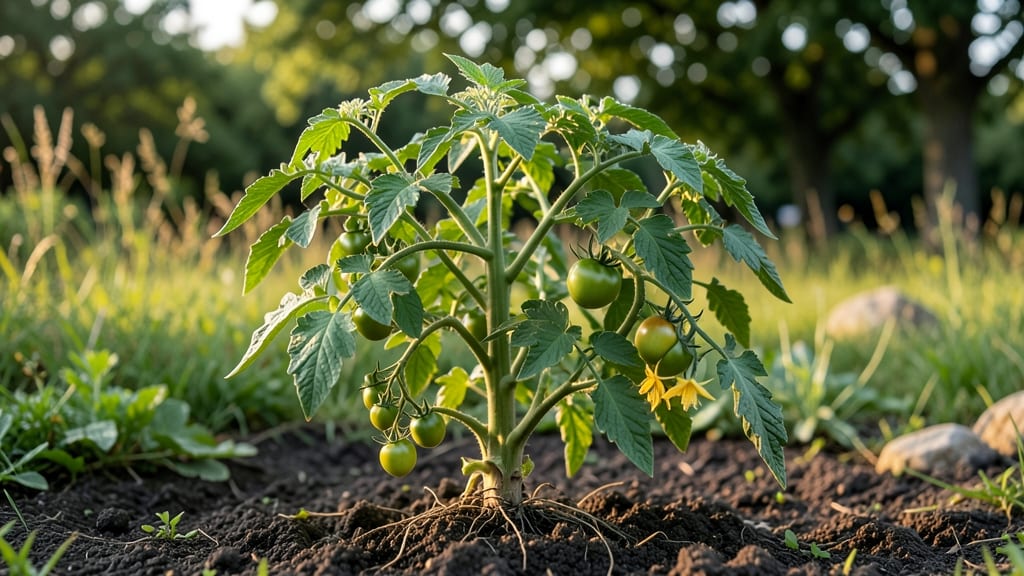
Your tomato plants could be hiding weeds that steal nutrients and space—weeds that look like tomato plants are the sneakiest garden imposters. 🌱 I’ve pulled more of these lookaliders than I care to admit, especially after mistaking nightshade seedlings for my prized heirloom tomatoes.
The confusion isn’t just about aesthetics; these weeds can stunt growth or even poison your soil if left unchecked.
Most troublemakers—like tomato suckers, volunteer tomatoes, or poisonous nightshade—mimic your plants with jagged leaves and similar growth patterns. The key differences? Nightshade has smooth, oval leaves and a bitter scent when crushed, while tomato suckers grow from the stem’s base.
Volunteer tomatoes often sprout from fallen fruit, so check your beds after harvests. A quick leaf inspection under bright light reveals the truth.
Removing them early saves your harvest. Pull weeds by hand when soil is moist (they slide out easier), or use a knife to cut nightshade at the root. For stubborn patches, mulch with straw to block sunlight—weeds can’t compete with that.
Your tomatoes will reward you with stronger stems and heavier fruit once these impostors are gone.
This works for backyard gardens, raised beds, or containers—just adapt the timing. Check plants weekly after germination, and you’ll spot these sneaks before they steal your spotlight. No chemicals needed, just sharp eyes and a quick hand. Let’s keep your tomato patch thriving!
How Misidentification Takes Root
When your garden looks like a tomato jungle but isn’t producing the fruits you planted, the issue often boils down to natural mimicry and environmental triggers. Weeds that resemble tomato plants exploit the same growing conditions, tricking even experienced gardeners.
Understanding the science behind these lookalikes helps you spot—and stop—them before they steal your harvest. Here’s why this confusion happens, broken down by the most common culprits.
Some weeds have evolved to visually mimic tomato plants as a survival strategy. This phenomenon, called mimicry, helps them thrive in gardens by:
- Blending in: Weeds like Solanum nigrum (black nightshade) or Physalis spp. (ground cherries) share the same lobed leaves, hairy stems, and compound foliage as tomatoes. Their goal? Avoid being pulled out by gardeners who assume they’re safe.
- Chemical deception: Some weeds release allelopathic compounds that suppress tomato growth while they flourish nearby. For example, Datura stramonium (jimsonweed) can stunt tomato plants by altering soil chemistry.
- Pollinator attraction: Weeds like Solanum carolinense (horse nettle) produce yellow flowers similar to tomato blooms, luring bees away from your intended crops and reducing pollination efficiency.
💡 Pro Tip: Pay attention to flower and fruit differences. True tomatoes have yellow or purple flowers that develop into green-to-red fruit. Weeds often have white, purple, or star-shaped flowers and produce berries, pods, or spiky husks instead.
Weeds and tomatoes often compete for the same resources, thriving in:
- Warm, well-drained soil: Both love temperatures between 70–85°F (21–29°C). Weeds like Portulaca oleracea (purslane) spread rapidly in sunny, disturbed soil—just like tomato seedlings.
- Rich, nitrogen-heavy soil: Over-fertilizing with nitrogen (common in tomato-growing mixes) can stimulate weed growth while weakening tomatoes. Weeds like Chenopodium album (lamb’s quarters) thrive in these conditions.
- Moisture and humidity: Tomato plants need consistent water, but so do weeds like Solanum lycopersicoides (wild tomato relatives). Poor drainage or overhead watering creates ideal conditions for both.
⚠️ Warning: If your soil is too fertile, weeds outcompete tomatoes for nutrients. Conduct a soil test and adjust with balanced 10-10-10 fertilizer or compost to favor your crops.
Even the best gardeners unintentionally create weed-friendly environments. Common mistakes include:
- Poor seedling spacing: Crowding tomato plants leaves gaps where weeds like Amaranthus retroflexus (redroot pigweed) can take root. Aim for 18–24 inches between plants.
- Skipping mulch: Bare soil warms faster, speeding up weed germination. A 2–3 inch layer of straw or wood chips blocks light and suppresses weeds.
- Ignoring garden debris: Leaving fallen leaves or plant residues (especially from nightshade weeds) can re-sprout or attract pests that damage tomatoes.
- Over-tilling: Frequent tilling buries weed seeds shallowly, bringing them to the surface where they germinate. Use hand-pulling or smothering mulch instead.
🔥 Quick Fix: After planting tomatoes, apply corn gluten meal (a natural pre-emergent) to inhibit weed seeds without harming your crops.
Now that you know why these lookalikes sneak into your garden, the next step is identification. Stay tuned for our visual guide to tell weeds apart from your tomato plants—before they ruin your harvest!
How to Fix Misidentified Plants
Now that you’ve identified the impostors in your garden, it’s time to take action—whether that means reclaiming your tomato patch, preventing future confusion, or even turning "weeds" into allies.
Below are practical, step-by-step solutions tailored to the most common causes of mistaken identity, plus prevention tips to keep your garden thriving.
If you’ve spotted volunteer tomatoes, nightshade weeds, or other doppelgängers masquerading as your crops, act fast to protect your harvest.
🌱 Pull or Dig Out Weeds (Hand Removal)
- When to do it: Early morning (plants are hydrated and easier to extract).
- How to do it:
- Wear gloves (some weeds, like nightshade, can irritate skin).
- Grip the base of the plant and pull firmly upward—avoid breaking stems, which can regrow.
- For deep-rooted weeds (like bindweed), use a digger or trowel to loosen roots before pulling.
- Pro tip: 💡 Check soil afterward—missed roots or fragments can sprout new plants!
🔪 Cut at the Root (For Stubborn Invaders)
- If pulling doesn’t work (e.g., bindweed or purslane), snip the plant at soil level with clean pruners.
- Why? Prevents regrowth and reduces seed spread.
- Warning: ⚠️ Dispose of clippings in the trash—never compost nightshade weeds (like deadly nightshade or bittersweet nightshade), as they can survive decomposition.
🚫 Smother or Solarize (For Large Infestations)
- For dense weed patches, lay down cardboard or thick mulch (straw, wood chips) to block sunlight.
- For solarization:
- Wet the soil, then cover with clear plastic for 4–6 weeks in hot weather.
- The heat kills weeds and seeds without chemicals.
- Best for: Areas with volunteer tomatoes or persistent ground covers like creeping Charlie.
If your "weeds" are actually unwanted tomato seedlings, decide whether to keep, transplant, or remove them.
🌿 Transplant Healthy Volunteers (Free Plants!)
- Signs of a good volunteer:
- Strong stems, no yellowing leaves, and healthy green foliage.
- Not flowering yet (young plants have more energy for growth).
- How to transplant: 1. Water the area 1–2 hours before digging.
- Dig a small hole around the plant, keeping the root ball intact.
- Plant in a new spot (at least 18–24 inches apart from other tomatoes).
- Water deeply to help roots establish. - Pro tip: ✨ Label them! Use toothpicks with plant markers to avoid future mix-ups.
🚮 Remove Weak or Diseased Volunteers
- Discard plants with:
- Yellowing leaves (possible disease or nutrient deficiency).
- Wilting or spots (fungal/bacterial issues).
- Overly leggy growth (they’ll compete poorly with main plants).
- Why? Prevents disease spread to your cultivated tomatoes.
The best defense is a well-organized garden. Here’s how to avoid misidentification next season.
📝 Label Everything (Non-Negotiable!)
- Use durable plant markers (wooden stakes, metal tags) with:
- Plant name (e.g., "Roma Tomato").
- Date planted (helps track growth stages).
- Pro tip: 🎯 Add a small sketch of the plant’s mature leaves to help with quick ID.
🌱 Practice Crop Rotation
- Why it works: Prevents soil-borne diseases (like verticillium wilt) and weed buildup.
- How to rotate:
- Year 1: Tomatoes in Bed A.
- Year 2: Move tomatoes to Bed B; plant legumes (beans, peas) in Bed A.
- Year 3: Return tomatoes to Bed A (after a rest year with non-nightshade crops).
- Bonus: 💡 Weeds like nightshade thrive in disturbed soil—rotation reduces their numbers naturally.
🌿 Use Mulch to Suppress Weeds
- Best mulches for tomato beds:
- Straw or grass clippings (break down slowly, suppress weeds).
- Black plastic or landscape fabric (blocks light, great for high-weed areas).
- How to apply:
- Spread 2–4 inches of mulch after plants are established (to avoid rot).
- Keep mulch away from stems to prevent moisture-related diseases.
🔍 Scout Regularly (Early Detection)
- Check your garden weekly for:
- Leaf changes (yellowing, curling, or spots).
Not all look-alikes are enemies—some can benefit your garden if managed correctly.
| Plant | How to Use It | Caution |
|---|---|---|
| Volunteer Tomatoes | Transplant to fill gaps or share with neighbors. | Avoid if diseased. |
| Purslane | Eat it! High in omega-3s; great in salads. | Avoid if sprayed with herbicides. |
| Dandelions | Edible greens (bitter but nutritious). | Check for pesticide use. |
| Clover | Nitrogen-fixing—improves soil. | Can spread aggressively. |
Final Reminder: 🌱 The key to a weed-free tomato patch is consistency—combine removal, labeling, rotation, and mulching for the best results. With these steps, you’ll save your harvest and enjoy a garden where every plant is welcome (even the ones that trick you!).
Frequently asked questions
How can I tell if a young plant is a tomato or a weed?
Look at the leaf shape and stem: true tomato seedlings have hairy stems and serrated leaves with 5-7 lobes. Weeds like nightshade have smooth stems and egg-shaped leaves. Crush a leaf—tomatoes smell fresh, while nightshade has a bitter, medicinal scent. Check the base of the plant: tomato suckers grow from the stem, while weeds often sprout randomly.
Are nightshade weeds dangerous to my tomatoes?
Yes, but not directly to your tomatoes. Nightshade weeds like Solanum nigrum can compete for nutrients and host pests that may spread to your crops. Some varieties (like deadly nightshade) contain toxins harmful to humans and pets if ingested. Always wear gloves when removing them and dispose of plants in the trash—not compost.
What should I do with volunteer tomato plants?
Healthy volunteers can be transplanted to fill gaps or share with neighbors! Look for strong stems, no yellowing, and no flowers (young plants establish better). Water the area first, then carefully dig with a root ball. Plant 18–24 inches apart from other tomatoes. Discard any with spots, wilting, or leggy growth—these may carry diseases.
Why do weeds keep coming back after I pull them?
Weeds often have deep roots or fragmented root systems that regrow. Always pull firmly from the base—even small pieces can sprout. For stubborn weeds like bindweed, use a knife to cut roots at soil level. Mulch with straw or cardboard to block sunlight, which prevents new seeds from germinating. Consistency is key!
Can I use vinegar to kill weeds without harming tomatoes?
No—vinegar kills everything it touches, including tomato plants. For targeted weed control, spot-treat with a mixture of water, dish soap, and a drop of vinegar (1:1:1 ratio) on weeds only. Better options: hand-pulling, mulching, or corn gluten meal (a natural pre-emergent). Always apply treatments early in the day to avoid plant stress.