
Flowers
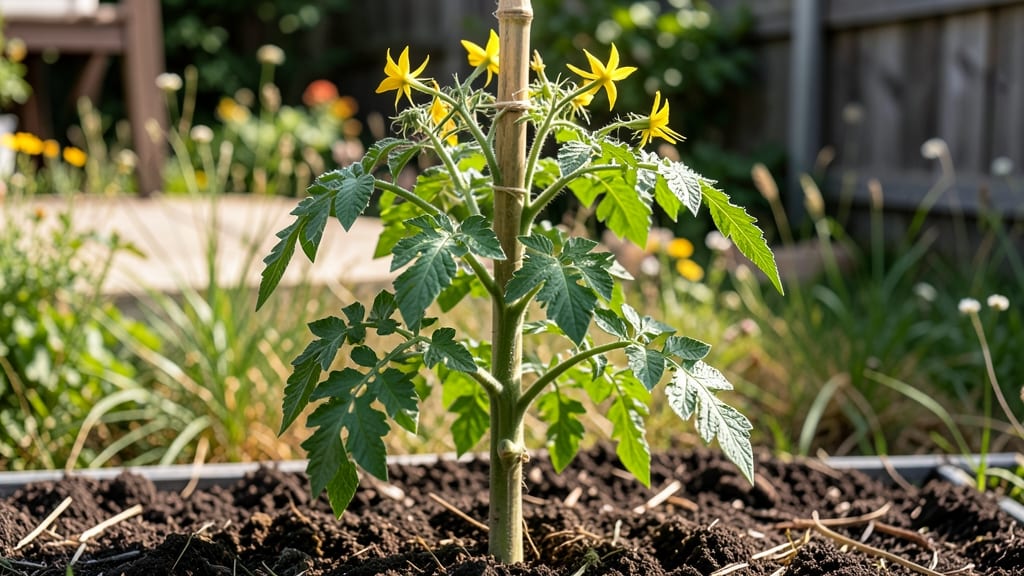
When your tomato plants sport yellow flowers instead of green, it’s not just a weird quirk—it’s a cry for help. 🌱 I’ve seen this happen after heatwaves, droughts, and even overwatering, and I’ll show you how to fix it before your harvest suffers. The real culprit?
Stress—whether from nutrient shortages, pests, or environmental shocks. Those yellow blooms won’t set fruit, but the good news is you can turn things around with a few targeted fixes. Think of it as a reset button for your plants.
By the end, you’ll have vibrant green flowers ready to pollinate and a garden that’s back on track. The key is acting fast—once you spot the yellow, count backward 3 days to start troubleshooting. This works for backyard gardens, containers, and even raised beds. Let’s get those tomatoes producing again!
Root Causes of Yellowing Tomato Blossoms
Yellow flowers on your tomato plants can feel like a heartbreaking sign that your harvest dreams are wilting—but don’t panic! Understanding why this happens is the first step to saving your plants.
Below, we break down the scientific triggers behind yellowing tomato blossoms, so you can diagnose the issue like a pro and take targeted action.
Tomato plants are heavy feeders, and when key nutrients go missing, they often show stress in their flowers first. Here’s what’s likely starving your plants:
💡 Calcium Deficiency: The Blossom-End Rot’s Twin Yellowing or browning at the base of flowers (or later, on fruit) is a classic sign of calcium deficiency.
While blossom end rot is more famous on fruit, calcium shortages can cause flowers to abort prematurely or turn yellow before they even open. - Why it happens: Calcium is immobile in plants—meaning it can’t be redistributed from older to younger tissues.
If roots struggle to absorb enough (often due to uneven moisture or compacted soil), flowers get cut off first. - Actionable fix: - Test your soil (pH should be 6.0–6.8 for calcium uptake). - Add crushed eggshells, gypsum, or bone meal around the base (but avoid direct contact with stems). - Water deeply and consistently—fluctuating moisture blocks calcium transport.
🌿 Nitrogen Overload: The False Promise Too much nitrogen (common in synthetic fertilizers) can make your plants green and lush—but sterile.
Flowers may turn yellowish-green and drop off because the plant prioritizes leaf growth over reproduction. - Why it happens: Excess nitrogen delays flowering and weakens pollination.
It also disrupts the carbon-to-nitrogen ratio, leaving flowers malnourished. - Actionable fix: - Switch to a balanced fertilizer (e.g., 5-10-10 or 10-10-10) once flowers appear. - Side-dress with compost (rich in micronutrients like phosphorus and potassium). - Avoid high-nitrogen teas (like fresh grass clippings) during flowering.
Tomato flowers are extremely sensitive to moisture stress. Whether you’re drowning them or letting them thirst, the result is often the same: yellow, withered blossoms.
🌊 Overwatering: Drowning in Stress Soggy soil suffocates roots, cutting off oxygen and nutrients. Flowers may turn pale yellow and drop because the plant can’t support them. - Why it happens: Waterlogged soil leads to anaerobic conditions, where roots can’t absorb calcium or other essential minerals.
It also encourages fungal diseases (like early blight), which stress the plant further. - Actionable fix: - Check soil moisture—stick your finger 2 inches deep; if damp, wait. - Improve drainage with organic matter (compost or perlite). - Water at the base (not overhead) to prevent fungal splash.
🏜️ Underwatering: The Slow Death Drought stress causes flowers to yellow and crisp at the edges as the plant conserves water for critical functions (like root survival). - Why it happens: Tomato plants need 1–2 inches of water per week (more in heat).
When soil dries out, transpiration rates spike, and flowers get "pruned" first. - Actionable fix: - Mulch heavily (straw or wood chips) to retain moisture. - Water deeply 2–3 times per week (early morning is best). - Use drip irrigation to deliver water directly to roots.
Tomato flowers are delicate thermometers—too hot, too cold, or even poor pollination can turn them yellow and lifeless.
☀️ Heat Stress: When Flowers Bake Before They Bloom In temperatures above 90°F (32°C), tomato flowers often abort (a process called "bud drop").
They may turn yellow and papery before opening. - Why it happens: High heat disrupts pollen production and stops anthers from releasing pollen.
Even if flowers form, they may not set fruit. - Actionable fix: - Provide afternoon shade (use shade cloth or row covers). - Mulch with straw to keep roots cooler. - Choose heat-tolerant varieties (e.g., ‘Solar Fire’ or ‘Heatmaster’).
❄️ Cold Snaps: Shocking the System
Frost or temperatures below 50°F (10°C) at night can cause flowers to yellow and blacken almost overnight.
- Why it happens: Cold damages cell membranes in flowers, preventing them from opening or pollinating.
- Actionable fix:
- Use row covers or cloches for young plants.
- Plant in a sheltered spot (near a fence or south-facing wall).
- Avoid fertilizing before a cold snap—tender new growth is more vulnerable.
🐝 Pollination Failures: The Silent Killer Even if flowers look healthy, lack of pollinators (or poor self-pollination) can cause them to yellow and drop without setting fruit. - Why it happens: Tomatoes are self-pollinating, but they need vibration (from bees, wind, or even your finger!) to release pollen.
In greenhouses or urban areas, this can fail. - Actionable fix: - Hand-pollinate by gently shaking plants in the morning. - Attract bees with companion plants (basil, marigolds, or borage). - Avoid overusing pesticides that kill pollinators.
Not all yellow flowers are due to cultural issues—pathogens and pests can also turn them into sad, wilted messes.
🍄 Fungal Infections: The Silent Spread Diseases like early blight or powdery mildew can cause flowers to yellow, spot, or rot before they open. - Why it happens: Fungi thrive in humid, stagnant air and wet foliage.
Infected flowers often drop to prevent spreading spores. - Actionable fix: - Remove infected flowers immediately (don’t compost them!). - Apply neem oil or copper fungicide preventatively. - Space plants for airflow and water at the base.
🐜 Sap-Sucking Pests: Stealing Life Force
Aphids, whiteflies, and spider mites drain sap from flowers, causing them to yellow, curl, or drop.
- Why it happens: These pests inject toxins while feeding, causing chlorosis (yellowing) and stunted growth.
- Actionable fix:
- Blast off pests with a strong spray of water.
- Use insecticidal soap or kaolin clay as a barrier.
- Introduce predator insects (ladybugs or lacewings).
If your tomato plants are recently transplanted, their flowers may yellow as they redirect energy to root recovery.
- Why it happens: Transplanting stresses the plant, causing it to abort flowers to focus on establishing roots.
- Actionable fix:
- Avoid transplanting flowering plants—wait until they’re seedlings with 2–3 true leaves.
- Hardening off (acclimating to outdoor conditions) reduces shock.
- Prune existing flowers (if any) to encourage stronger root growth first.
Fixing Yellowing Tomato Blooms
Yellow flowers on your tomato plants might feel like a gut-punch after all your hard work, but don’t toss those trowels just yet! 🌱💛 The good news?
Most causes of yellowing blooms are fixable with targeted care. Below, we’ll break down practical solutions for each common culprit—plus prevention tips to keep your plants thriving.
Problem: Yellowing flowers often signal a lack of key nutrients, especially magnesium, calcium, or nitrogen.
How to Fix It:
- 🌿 Soil Test First Grab a DIY soil test kit (or send a sample to your local extension office) to confirm deficiencies. If magnesium is low, Epsom salt (magnesium sulfate) is your secret weapon.
- 💧 Foliar Spray Boost Mix 1 tablespoon of Epsom salt in 1 gallon of water and spray directly on leaves and flowers. For calcium, use calcium nitrate (follow package rates).
- 🍽️ Organic Fixes
- Banana peels (for potassium/magnesium): Chop and steep in water for 24 hours, then use as a fertilizer.
- Crushed eggshells (for calcium): Bake shells to sterilize, crush, and sprinkle around plants.
💡 Pro Tip: Apply nutrients in the early morning to avoid evaporation and give roots time to absorb before heat sets in.
Problem: Extreme heat, cold snaps, or inconsistent watering cause flowers to yellow and drop prematurely.
How to Fix It:
- 🌤️ Shield from Heat Stress
- Shade cloth (30-50%) during peak sun (11 AM–3 PM).
- Mulch heavily (straw or wood chips) to keep roots cool.
- Avoid overhead watering—use drip irrigation to keep foliage dry.
- ❄️ Protect from Cold
- Row covers at night if temps dip below 55°F (13°C).
- Black plastic mulch warms soil faster in spring.
- 💧 Water Like a Pro
- Deep watering (1–2 inches per week) is better than frequent light sprinkles.
- Check soil moisture with your finger—top inch should be dry before watering again.
✨ Prevention Hack: Plant heat-tolerant varieties like ‘Solar Fire’ or ‘Heatmaster’ if your climate is scorching.
Problem: Aphids, spider mites, or fungal infections (like early blight) can turn flowers yellow and stunt growth.
How to Fix It:
- 🐜 Pest Control
- Neem oil spray (1 tsp per liter of water) to smother soft-bodied pests like aphids.
- Ladybugs or lacewings (release beneficial insects for natural control).
- Soap spray (1 tbsp mild dish soap + 1 quart water) for stubborn mites.
- 🍄 Fungal Disease Treatment
- Copper fungicide (follow label) for early blight or septoria leaf spot.
- Baking soda spray (1 tsp baking soda + 1 quart water + few drops of soap) for powdery mildew prevention.
- 🌿 Prune & Clean Up
- Remove yellowed leaves (especially lower ones) to improve airflow.
- Sterilize pruners with rubbing alcohol between cuts to prevent spreading disease.
🎯 Prevention Tip: Rotate crops—don’t plant tomatoes in the same spot yearly to break disease cycles.
Problem: Transplant shock, overcrowding, or root damage can cause flowers to yellow and wilt.
How to Fix It:
- 🌿 Repot or Transplant Carefully
- If recently transplanted, water deeply and avoid fertilizing for 1–2 weeks (roots need time to recover).
- Loosen roots gently before replanting to encourage new growth.
- 🌿 Thin Out Plants
- Tomatoes need 18–24 inches of space. Remove suckers and overcrowded stems to improve airflow.
- 💪 Support Weak Stems
- Use cages or stakes to prevent wind/rain damage.
- Prune lower leaves to reduce humidity near the soil (where fungi love to hide).
🔥 Quick Revival Trick: A balanced fertilizer (like 10-10-10) can jumpstart recovery—apply lightly after watering.
To keep your tomato blooms vibrant and productive, follow this year-round care plan:
| Task | When to Do It | How to Do It |
|---|---|---|
| Soil Amendment | Fall & Spring | Mix in compost or aged manure. |
| Mulching | After last frost | 2–3 inches of straw or grass clippings. |
| Succession Planting | Every 2–3 weeks | Replace spent plants with new seedlings. |
| Pest Patrol | Weekly | Inspect undersides of leaves. |
| Pruning | Regularly (every 2 weeks) | Remove suckers and diseased foliage. |
Final Thought: Yellow flowers don’t mean game over—they’re your plant’s way of screaming for help! 🚨 With these fixes, your tomatoes will bounce back stronger, and next season’s blooms will be lush, green, and fruit-bearing. Happy gardening!
Frequently asked questions
Why do my tomato plant flowers turn yellow before opening?
Yellowing tomato flowers before opening usually signals stress from nutrient deficiencies (like calcium or magnesium), extreme heat or cold, or poor pollination. Check for consistent watering and balanced fertilization—tomatoes need 1-2 inches of water weekly and calcium-rich soil (try crushed eggshells). If temps exceed 90°F (32°C), provide afternoon shade.
Can I still get tomatoes if my flowers are already yellow?
Not likely from those flowers, but don’t worry! Prune the yellow blooms to redirect the plant’s energy to healthier ones. Focus on fixing the root cause (like adjusting watering or adding Epsom salt for magnesium). New flowers should appear within 1-2 weeks if conditions improve.
How do I tell if yellow flowers are from pests vs. nutrient issues?
Check for tiny insects (aphids, spider mites) on flower stems or undersides of leaves—pests leave sticky residue or webbing. Nutrient issues cause uniform yellowing without visible bugs. For pests, use neem oil spray; for nutrients, apply a balanced fertilizer (like 10-10-10) and mulch heavily.
Will yellow tomato flowers turn green again?
No, but you can prevent new ones from yellowing! Once a flower turns yellow, it’s too late—focus on removing it and fixing the underlying issue (like improving drainage or adjusting fertilizer). Healthy new blooms should emerge within 5-7 days if you address the problem early.
Are there tomato varieties less prone to yellow flowers?
Yes! Heat-tolerant varieties like ‘Heatmaster’ or ‘Solar Fire’ handle stress better. For cooler climates, try ‘Stupice’ or ‘Cherokee Purple’. Always choose disease-resistant types (look for VFN labels) to reduce stress-related yellowing.