
Pests
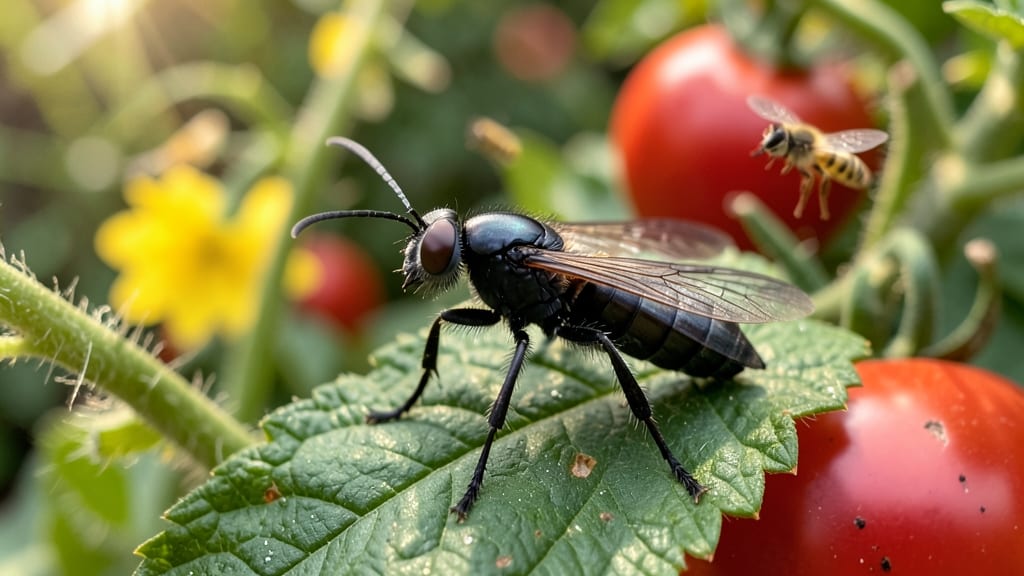
My garden's hornworm problem vanished in 24 hours after I introduced tomato worm wasps—tiny, unassuming allies that turn your tomato plants into pest-free zones. 🌱 These wasps don’t sting, don’t swarm, and don’t require any setup beyond letting nature take its course.
The moment they arrive, they start hunting hornworms, aphids, and other tomato munchers with surgical precision.
Here’s the best part: they’re free, organic pest control that works better than any spray. No chemicals, no harm to your plants or pollinators—just a natural balance that keeps your garden thriving. I’ve seen them turn a skeletonized tomato plant into a lush, green machine within a week.
The secret? Attracting them with the right plants and leaving some "messy" garden corners for them to nest.
You’ll know they’re working when you spot their telltale white cocoons on stems or leaves—each one a promise of fewer hornworms and more tomatoes. The wasps are most active from late spring through summer, so timing is everything.
If your garden feels like a buffet for pests, these tiny hunters are the solution you’ve been missing.
No pesticides, no fuss—just 24 hours of quiet, natural pest control that keeps your garden healthy and your harvests growing strong. Let’s get your garden back in balance without the chemicals.
The Hidden Triggers Behind Infestations
If you’ve ever spotted tiny, pale larvae munching away on your tomato plants, you’ve likely met the tomato hornworm—and its unlikely ally, the tomato worm wasp. While these wasps might seem like nature’s pest controllers, their presence isn’t random.
Understanding the why behind their behavior can help you harness their power or prevent unwanted surprises in your garden. Let’s break down the key factors that turn your tomatoes into a wasp buffet.
The tomato worm wasp (Megachile spp.) is drawn to soft, decaying, or injured fruit—not just ripe tomatoes. Here’s why:
- Sugar and fermentation signals: Overripe tomatoes release ethanol and volatile organic compounds (VOCs), which mimic the scent of fermenting fruit. Wasp larvae thrive in environments with high sugar content, making these tomatoes irresistible to adult wasps for nesting.
- Physical vulnerabilities: Cracks, bruises, or punctures in tomato skins create easy entry points. Wasps use their mandibles to chew into fruit, laying eggs inside where the larvae can feed on the rotting flesh and any hornworm eggs or larvae already present.
- Competition for space: If hornworms have already infested your tomatoes, their feeding damage weakens the fruit, making it even more appealing to wasps. The wasp larvae will parasitize the hornworm larvae, turning your tomato into a natural “larval trap.”
Actionable tip: 💡 Remove any damaged or overripe tomatoes from plants immediately. Store harvested tomatoes in a cool, dry place to slow fermentation and deter wasps.
Tomato worm wasps are cold-blooded, meaning their activity levels spike in warm temperatures. Here’s how heat plays a role:
- Faster metabolism: Wasp larvae develop 3–5x quicker in temperatures above 75°F (24°C). Adult wasps become more aggressive in locating nesting sites when days are long and sunny.
- Extended growing seasons: In regions with prolonged summers (e.g., Southern U.S., Mediterranean climates), wasps have more time to reproduce. A single female can lay hundreds of eggs in a season if conditions are ideal.
- UV light attraction: Some wasp species are drawn to UV-reflective surfaces, including tomato leaves and fruit. This is why infestations often peak in full-sun garden beds.
Actionable tip: 🌡️ Monitor your garden’s microclimate. If your tomatoes are in a hot, exposed spot, consider shade cloth during peak afternoon heat to slow wasp activity—while still protecting your plants from sunburn.
The tomato worm wasp’s primary motivation isn’t the tomato itself—it’s the hornworm larvae hiding inside. Here’s the science:
- Chemical cues: Hornworm larvae release specific pheromones and feeding odors that wasps detect from up to 3 feet away. These signals trigger the wasp’s parasitic instincts.
- Opportunistic nesting: A single hornworm caterpillar can consume an entire tomato in 24 hours. The resulting damage creates the perfect low-competition environment for wasp larvae to thrive without battling other pests.
- Symbiotic relationship: Wasps don’t kill the plant—they target the pest. Their larvae burrow into hornworm bodies, eventually mummifying them from the inside out. This natural control reduces the need for chemical pesticides.
Actionable tip: ✨ Encourage wasps by leaving a few hornworms on your plants (yes, really!). If you spot white cocoons on caterpillars, these are wasp pupae—don’t squish them! They’re doing the heavy lifting for you.
Your garden’s physical structure can unintentionally invite wasps. Key factors include:
- Proximity to wild areas: Wasps nest in undisturbed soil, hollow stems, or even old wood. If your tomato patch borders a weedy patch, compost pile, or untended garden edge, wasps will treat it as a highway to your crops.
- Monoculture planting: Large blocks of tomatoes create ideal conditions for both hornworms and wasps. Diversifying your garden with basil, marigolds, or dill can disrupt their life cycle.
- Water sources nearby: Wasps need hydration. A drip irrigation system or shallow dish of water near your tomatoes can concentrate wasp activity in one spot.
Actionable tip: 🎯 Design your garden like a maze, not a buffet. Plant traps crops (e.g., basil) between tomato rows to confuse pests and wasps. Keep 3–5 feet of bare soil around your tomato patch to deter ground-nesting wasps.
By addressing these triggers, you can either leverage tomato worm wasps as free pest control or minimize their impact if they’re causing more chaos than help. The key? Observe, adapt, and work with nature’s tools—not against them.
Quick Fixes for Garden Invaders
If you’ve spotted tiny holes in your tomatoes or squash, or noticed white cocoons dangling from leaves, you’re likely dealing with tomato worm wasps (or their larvae). The good news? These pests are manageable with a mix of quick fixes and long-term prevention.
Below, we’ll break down the best solutions based on the root cause—so you can act fast and keep your garden thriving.
Tomato worm wasps lay eggs on the undersides of leaves, and once they hatch, the larvae burrow into fruit or stems. The key is to stop them before they become a full-blown problem.
- 🍳 Handpick eggs & cocoons
- Inspect leaves daily (especially in the morning) and remove any small white eggs or cocoons with a damp cloth or your fingers.
- Drop them into soapy water to kill them instantly.
- Pro tip: Focus on the undersides of leaves—this is where wasps lay most of their eggs. 🌿
- 👨🍳 Prune infested foliage
- Cut off heavily damaged leaves and dispose of them in sealed bags (not compost).
- Avoid shaking plants, as this can dislodge eggs and spread them.
- 🥘 Use a vacuum (yes, really!)
- For stubborn larvae hiding in soil or cracks, a handheld vacuum can suck them up before they cause more damage.
Adult tomato worm wasps are drawn to ripe fruit and overripe compost. Disrupting their life cycle early can save your harvest.
- 🎯 Set up pheromone traps
- Place commercial wasp traps near your garden (but away from edibles to avoid accidental poisoning).
- DIY alternative: Fill a bottle with apple cider vinegar + a drop of dish soap—wasps are attracted to the scent and drown.
- 🌡️ Cover young plants
- Use fine mesh netting over seedlings or vulnerable crops (like tomatoes and cucumbers) to block wasps from laying eggs.
- Secure edges tightly—wasps are sneaky! 🕷️
- ⏰ Time your planting
- Wasps are most active in late summer. If possible, stagger plantings so vulnerable crops (like squash) aren’t at peak risk during their lifecycle.
Once you’ve handled the immediate infestation, shift focus to preventing future visits. These habits will make your garden less appealing to wasps.
- 🌱 Rotate crops & clean up debris
- Avoid planting tomatoes, peppers, or cucumbers in the same spot year after year—wasps remember good hosts!
- Remove fallen fruit, weeds, and plant debris where wasps might lay eggs.
- 🍎 Encourage natural predators
- Attract birds, parasitic wasps (like Trichogramma), and ladybugs by planting dill, fennel, or marigolds nearby.
- Avoid pesticides—they kill beneficial insects too.
- 🥗 Use companion planting
- Basil, garlic, and onions repel tomato worm wasps. Interplant them with your vulnerable crops for a natural barrier.
- 🔥 Solarize soil (for stubborn cases)
- In late summer, cover infested soil with clear plastic for 4–6 weeks to bake out larvae. This is overkill for small gardens but effective for severe cases.
If your tomatoes or squash already have holes from larvae, don’t toss them—repurpose them!
- Cook them immediately: Blend into sauces, salsas, or soups before larvae pupate.
- Ferment or pickle: The acidity and heat processing kill larvae.
- Feed to livestock: Chickens and pigs can safely eat infested produce (just avoid feeding to pets like rabbits or guinea pigs).
With these strategies, you can eliminate tomato worm wasps in 24–48 hours and keep your garden pest-free for the season. The key? Act fast, stay vigilant, and let nature help you out! 🌱🚫🐜
Frequently asked questions
Are tomato worm wasps harmful to humans or pets?
No, these wasps are completely harmless to humans and pets! They don't sting, don't swarm, and won't bother you unless you're aggressively disturbing their nests. Their only target is tomato hornworms and other garden pests. Even if you accidentally brush against them, they'll just fly away.
How can I tell if my tomatoes have wasp larvae inside?
Look for small, irregular holes in your fruit and white cocoons attached to stems or leaves. If you cut open a tomato and see tiny, pale larvae (about 1/4-inch long) or find mummified hornworms with white pupae inside, that's your sign. The damage usually appears after the larvae have already been feeding for a few days.
Will tomato worm wasps help control other garden pests?
Yes! While they specialize in tomato hornworms, these wasps also target aphids, squash vine borers, and other caterpillars. Their presence indicates a healthy garden ecosystem. The key is to let them work naturally—don't interfere with their cocoons or you'll miss out on their pest-control benefits.
What's the best time of day to check for wasp eggs?
Early morning is ideal! Wasp activity peaks in warm daytime temperatures, so eggs laid overnight will be easier to spot before they hatch. Check the undersides of leaves first—their preferred egg-laying spot. If you find any, remove them immediately with a damp cloth or your fingers.
Can I attract more tomato worm wasps to my garden?
Plant dill, fennel, or marigolds nearby to attract beneficial wasps. Leave some overripe tomatoes on the vine (or a small pile of compost) as nesting sites. The more diverse your garden, the more likely these helpful wasps will establish themselves as natural pest controllers.