
Plants
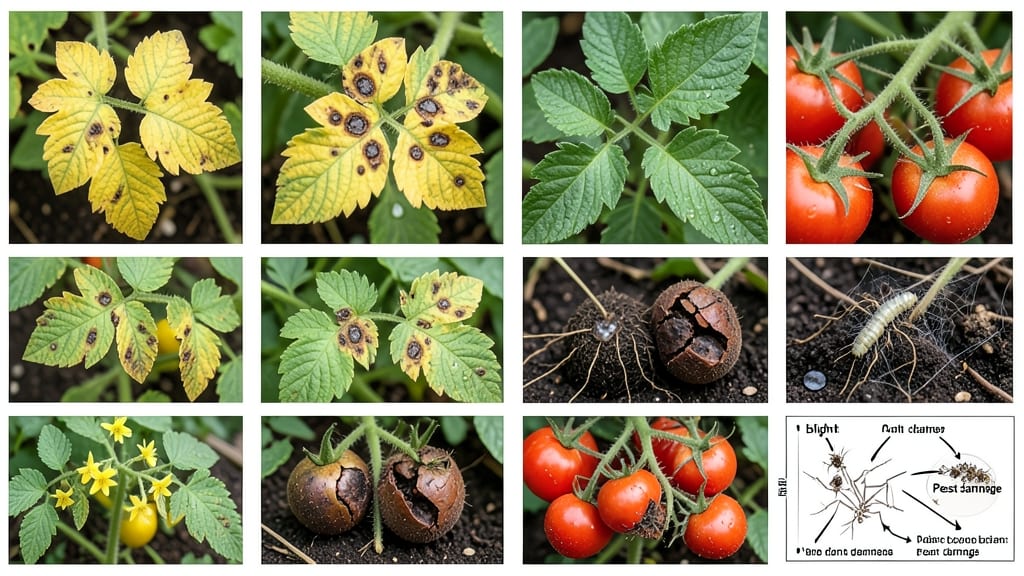
When your tomato plant troubleshooting starts wilting or spotting, panic sets in—but most problems have quick fixes you can try before giving up. 🌱 I’ve nursed back tomato plants from yellowing leaves to blossom-end rot, and the solutions are often simpler than you’d think.
Whether it’s fungal spots, stunted growth, or leaves curling at the edges, the key is acting fast and identifying the right issue.
The worst part? Many common tomato troubles—like blight or aphids—spread faster than you can say "harvest." But here’s the good news: most fixes take less than 30 minutes and use supplies you already have.
My first year, I lost half my plants to overwatering; now I check soil moisture before reaching for the hose. The difference is night and day.
By the end of this guide, you’ll spot the early warning signs (like jagged leaf edges or white powdery mildew) and know exactly how to treat them.
No more guessing whether to prune, spray, or adjust your watering. Your plants will bounce back stronger than ever—and you’ll save your tomatoes from the trash bin.
Let’s tackle the most common issues, starting with the easiest to diagnose: yellow leaves. (Spoiler: it’s rarely what you think it is.)
Root Causes of Tomato Plant Struggles
Tomato plants are resilient, but even the hardiest varieties can face issues when environmental or cultural conditions go awry. Understanding why problems arise is the first step to fixing them—and preventing future setbacks.
Below, we break down the scientific triggers behind common tomato plant woes, from wilting to spots and stunted growth.
Tomatoes thrive on consistent moisture but hate soggy roots.
When soil stays too wet, it suffocates roots by: - Cutting off oxygen (roots need aeration to respire). - Encouraging fungal pathogens like Phytophthora or Pythium, which rot roots and stems. - Leaching nutrients away, leaving plants starved even if watered frequently.
Key signs: Yellowing lower leaves, mushy stems, or plants that wilt despite wet soil.
Tomatoes are 95% water by weight—when deprived, they conserve moisture by:
- Closing stomata (leaf pores), reducing photosynthesis and causing wilting.
- Triggering ethylene production (a stress hormone that accelerates fruit ripening and leaf drop).
- Causing blossom-end rot (calcium uptake halts when roots can’t absorb water efficiently).
Key signs: Crispy leaf edges, dry soil pulling away from pot edges, or fruits cracking from uneven hydration.
Tomatoes are heavy feeders, and deficiencies show up fast. Here’s what’s missing when symptoms appear:
| Symptom | Likely Deficiency | Why It Happens |
|---|---|---|
| Yellow lower leaves | Nitrogen (N) | Soil microbes can’t convert organic N fast enough, or synthetic N leaches away. |
| Purple stems/leaves | Phosphorus (P) | Cold soil slows P uptake, or overwatering washes it out. |
| Weak stems, small leaves | Potassium (K) | Stress (drought, disease) forces plants to prioritize survival over growth. |
| Brown leaf edges | Magnesium (Mg) | Overwatering or high soil pH locks Mg out of root zones. |
| White/yellow spots | Calcium (Ca) | Uneven watering or high soil salinity blocks Ca transport to young tissues. |
Pro tip: 💡 Test soil pH—tomatoes prefer 6.0–6.8. Below 5.5? Add lime; above 7.0? Use sulfur.
Tomatoes are a buffet for pests and pathogens. Here’s how invaders strike:
- Aphids/Whiteflies: Pierce leaves to siphon sap, weakening plants and spreading viral diseases like tomato mosaic.
- Fungal Spots (Early Blight): Alternaria solani spores thrive in humid, stagnant air, creating concentric rings on leaves.
- **Bacterial Wilt (Ralstonia): Bacteria clog xylem vessels (water-conducting tubes), causing sudden wilting even with wet soil.
- Root-Knot Nematodes: Microscopic worms feed on roots, forming galls that strangle nutrient uptake.
Key signs:** Sticky residue (aphids), dark spots with yellow halos (fungi), or plants that wilt only in the afternoon (bacterial wilt).
Tomatoes are sensitive to extremes.
Common triggers: - Temperature swings: Below 50°F (10°C) at night or above 90°F (32°C) during the day halt pollination, leading to small, misshapen fruits. - Windburn: High winds desiccate leaves, causing brown, papery edges (common in greenhouses or exposed gardens). - Salt buildup: Over-fertilizing or poor-quality water crusts soil, blocking roots from absorbing moisture/nutrients.
Key signs: Flowers drop without setting fruit, leaves curl or scorch, or soil looks crusty on the surface.
Even healthy seedlings can crash and burn if mishandled during transplanting:
- Root damage: Circling roots or pruned roots can’t absorb water fast enough, causing wilting for 1–2 weeks.
- Sunburn: Moving seedlings from shade to full sun too soon causes bleached, crispy leaves (like sunburn on skin).
- Overcrowding: Plants competing for light, water, and nutrients leads to stunted growth and increased disease risk.
Key signs: Stunted growth post-transplant, yellowing leaves, or plants that refuse to thrive despite ideal conditions.
Quick Fixes for Common Tomato Plant Problems
Got a tomato plant throwing red flags? Don’t panic—most issues have simple, effective fixes. Below, we map the most common problems to step-by-step solutions, plus prevention tips to keep your plants thriving. Let’s turn those troubles into triumphs!
Cause: Underwatering, overwatering, or heat stress (especially in hot afternoons). Fix It:
- Check the soil: Stick your finger 1–2 inches deep. If it’s dry, water deeply until moisture reaches 6 inches down. 💧
- Water smarter: Early morning (6–8 AM) is best—avoid evening watering to prevent fungal diseases.
- Mulch like a pro: Spread 2–3 inches of organic mulch (straw or shredded leaves) to retain moisture and cool roots. 🌱
- Shade relief: If temps hit 90°F+, provide afternoon shade with a light cloth or drip irrigation to keep leaves cool.
Prevent it:
- Use drip irrigation to deliver water directly to roots.
- Group plants to create microclimates that retain humidity.
- Avoid overhead watering—it encourages disease.
Cause: Early blight, late blight, septoria leaf spot, or bacterial spot. Fix It:
- Prune aggressively: 🔪 Snip off infected leaves (and a few healthy ones below) to stop the spread. Dispose of them in the trash—not the compost!
- Fungicide boost: Spray with a copper-based fungicide or baking soda mix (1 tsp baking soda + 1 quart water + a drop of dish soap). Reapply every 7–10 days. 🛡️
- Improve airflow: Space plants 18–24 inches apart and stake them to reduce humidity traps.
- Rotate crops: If you replant tomatoes in the same spot next year, wait 3 years before returning them.
Prevent it:
- Water at the base (never the leaves).
- Remove lower leaves to keep foliage dry.
- Choose resistant varieties like ‘Mountain Merit’ or ‘Defiant PhR.’
Cause: Lack of nitrogen, phosphorus, or potassium; compacted soil; or root-bound plants. Fix It:
- Test your soil: Grab a DIY soil test kit (or send a sample to your local extension office). Tomatoes love a pH of 6.0–6.8. 📊
- Feed the right way:
- Nitrogen (leafy growth): Use fish emulsion or alfalfa meal.
- Phosphorus (roots/fruits): Add bone meal at planting.
- Potassium (overall health): Mix in wood ash or greensand.
- Loosen the soil: Gently aerate around roots with a fork if the soil feels hard as a rock. 🪴
- Transplant if needed: If roots are circling in a pot, move to a larger container or garden bed.
Prevent it:
- Amend soil before planting with compost or aged manure.
- Side-dress with compost mid-season for a slow-release boost.
- Avoid over-fertilizing—too much nitrogen = leafy plants, few tomatoes!
Cause: These critters love munching on tender tomato leaves and fruit. Fix It:
- Handpick hornworms: 👨🍳 Check leaves daily—squish or drop them in soapy water.
- Blast aphids/whiteflies: Spray with neem oil (1 tsp per quart of water) or a soapy water mix (1 tbsp mild soap per gallon). Repeat every 3–4 days. 🛁
- Attract predators: Plant basil, marigolds, or dill nearby to lure ladybugs and lacewings.
- Row covers: Use floating row covers early in the season to block pests before they arrive.
Prevent it:
- Inspect plants weekly—catch infestations early!
- Remove plant debris at season’s end to break pest cycles.
- Rotate planting locations to disrupt pest life cycles.
Cause: Calcium deficiency (often from uneven watering). Fix It:
- Calcium boost: Sprinkle crushed eggshells or gypsum around the base of the plant. 🥚
- Water consistently: Keep soil evenly moist—fluctuations trigger the problem.
- Mulch heavily: Helps maintain steady soil moisture.
- Avoid high-nitrogen fertilizers—they worsen calcium uptake issues.
Prevent it:
- Add lime (if soil is acidic) to improve calcium availability.
- Use a balanced fertilizer (like 5-5-5) instead of heavy nitrogen.
- Harvest promptly—overripe tomatoes lose calcium faster.
Pro Tip: 💡 Keep a garden journal! Note what works (and what doesn’t) each season—your future tomato plants will thank you. Happy growing! 🍅✨
Frequently asked questions
Why are my tomato leaves turning yellow from the bottom up?
This is usually a sign of overwatering or nitrogen deficiency. Check the soil—if it's soggy, reduce watering and improve drainage. For nitrogen, use fish emulsion or compost tea. Yellowing bottom leaves are normal as they age, but widespread yellowing means action is needed!
What should I do if my tomato plant has brown spots with yellow halos?
Those are classic signs of early blight or septoria leaf spot. Prune infected leaves immediately (don't compost them!) and spray with a copper fungicide or baking soda mix. Improve airflow by spacing plants 18-24 inches apart and water at the base only.
My tomato fruits are cracking—how can I prevent this?
Uneven watering causes blossom-end rot and cracking. Keep soil consistently moist (not soggy) and add crushed eggshells or gypsum for calcium. Mulch heavily to maintain steady moisture levels. Avoid high-nitrogen fertilizers which worsen calcium uptake issues.
Can I still save my tomato plant if it's wilting suddenly?
Check for bacterial wilt (wilting even with wet soil) or root rot. If roots are mushy, prune back healthy growth and repot with fresh, sterile soil. For bacterial wilt, there's no cure—remove the plant completely. If it's just heat stress, provide afternoon shade and water deeply in the morning.
How often should I fertilize my tomato plants?
Feed every 2-3 weeks with a balanced fertilizer (like 5-5-5) once flowering begins. Too much nitrogen causes leafy growth but few tomatoes. For organic options, use compost tea or fish emulsion. Always water before fertilizing to prevent root burn.