
Plants
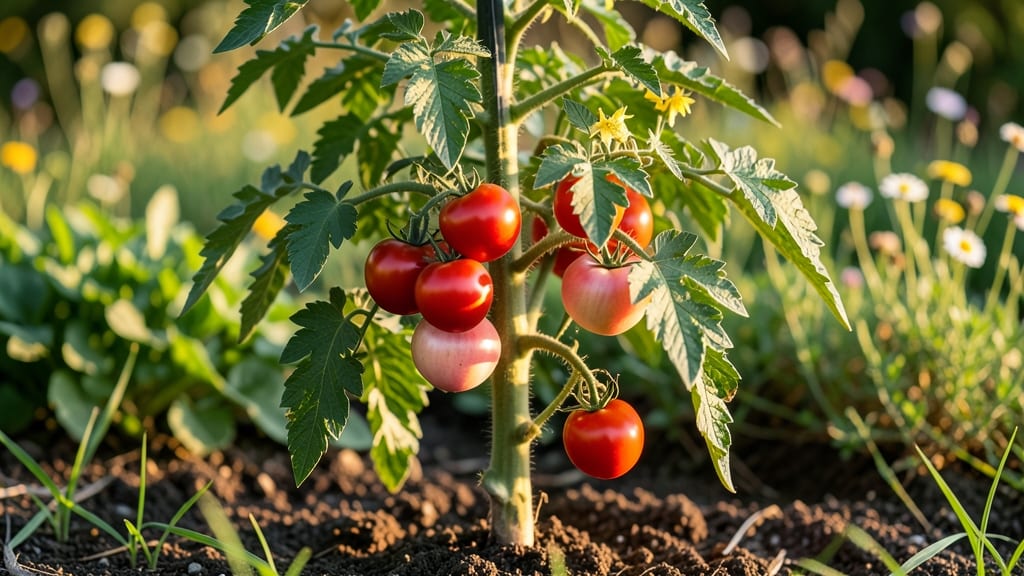
That moment when your tomato plant or weed seedlings pop up—only to realize you might've pulled the wrong thing. 🌱 I've spent too many summers staring at leafy greens wondering, "Is this my heirloom tomato or just another weed?"
The truth is, some weeds look shockingly like young tomato plants, and the difference comes down to a few key details.
Tomato plants start with two true leaves that look like tiny, fuzzy maple leaves—deep green with jagged edges. Weeds like purslane or lambsquarters often have smoother, rounder leaves or grow in clusters at ground level.
Pull anything with a single stem and hairy leaves—that's your tomato. The rest? Time to tug.
Here's the game-changer: healthy tomato plants grow fast—expect 1-2 new leaves per week—while weeds stay stunted. Pinch off any weeds with yellow flowers (like chickweed) or grassy stems (like crabgrass) immediately. Your tomatoes will thank you with vibrant green foliage and that unmistakable tomato scent.
Pro tip: Use mulch to block weeds from sprouting near your plants. I've cut weeding time by 70% since switching to straw mulch last spring. Now I can focus on what matters—those first sweet tomatoes of the season.
How Plants Get Confused
When your garden looks like a tomato plant but behaves like a weed—or vice versa—it’s often due to a mix of natural growth patterns, human error, or even deceptive plant behaviors.
Understanding these causes helps you spot the difference before your harvest (or your weed problem) spirals out of control. Here’s why it happens:
Not all tomato seeds are created equal—and neither are the seeds you might accidentally plant. Here’s how this confusion starts:
- Cheap or saved seeds: Seeds from grocery-store tomatoes (or even "heirloom" seeds from unreliable sources) often produce volunteer plants—wild, unpredictable hybrids that may grow into scraggly, low-yielding "weeds" in your garden. These plants might look like tomatoes but produce bitter, small, or inedible fruit.
- Weed seed hitchhikers: Many weeds, like Solanum nigrum (black nightshade) or Datura stramonium (jimsonweed), have seeds that resemble tomato seeds. If your soil or compost contains these, they’ll sprout alongside your tomatoes, creating a false tomato plant that’s actually toxic or useless.
- Cross-pollination chaos: If you plant different tomato varieties too close together, their pollen can mix, producing off-type seedlings—plants that look like tomatoes but have poor fruit quality. These might be mistaken for weeds if they’re stunted or diseased.
💡 Pro Tip: Buy seeds from reputable suppliers (like Baker Creek or Johnny’s Selected Seeds) and test your soil for weed seeds with a float test—soak seeds in water; weed seeds often float while tomato seeds sink.
Tomatoes and weeds thrive in the same conditions: sun, water, and loose soil. When your garden gets too crowded, both plants fight for resources—and the "weeds" often win. Here’s why:
- Fast-growing weeds outcompete tomatoes: Plants like purslane or morning glory sprout quickly and spread aggressively. Their deep roots and rapid growth steal nutrients and water from your tomatoes, causing your legitimate tomato plants to look stunted, yellow, or diseased—mimicking a weed.
- Tomato volunteers take over: If you’ve eaten tomatoes in your garden, dropped seeds can sprout the next year, creating a second generation of tomato plants that may look like weeds if they’re not pruned or thinned properly. These often grow tall and leggy with few fruits, earning them the "weed" label.
- Poor spacing = weak plants: Crowded tomato plants develop weak stems, small leaves, and poor fruit set, making them easier targets for pests and diseases. A healthy tomato plant should have 12–18 inches between plants; anything closer looks like a weed.
🔥 Action Step: Thin seedlings early (when they’re 2–3 inches tall) to avoid overcrowding. Pull weeds before they seed—many weeds produce thousands of seeds per plant!
Sometimes, what looks like a weed is actually a tomato plant under siege. Pests and diseases can distort growth so badly that your plants resemble wild, unruly weeds. Common culprits:
| Problem | How It Looks Like a Weed | Real Cause |
|---|---|---|
| Verticillium or Fusarium wilt | Stunted growth, yellowing leaves, black streaks in stems, early death | Fungal soil pathogens that clog water transport in roots |
| Tomato hornworms | Hollowed-out leaves, bare stems with chewed foliage, slow growth | Caterpillars devouring leaves faster than new growth can keep up |
| Blossom end rot | Small, deformed fruit; leggy, weak vines with few leaves | Calcium deficiency from inconsistent watering |
| Powdery mildew | White fuzzy coating on leaves, stunted, curled growth | Fungal infection from high humidity + poor airflow |
🌡️ Prevention Tip: Rotate crops to prevent soil-borne diseases, and handpick pests daily—hornworms can defoliate a plant in 24 hours!
Tomatoes are sensitive plants. When conditions are off, they respond by growing in ways that resemble weeds—tall, spindly, or bushy. Common triggers:
- Too much nitrogen: Lush green leaves but no fruit (a classic "weedy" tomato). Excess nitrogen from over-fertilizing or manure-heavy soil pushes foliage growth at the expense of flowers and fruit.
- Not enough sunlight: Tomatoes grown in shade or partial sun (like under trees) stretch toward light, becoming tall, weak, and leggy—easily mistaken for a wild vine.
- Extreme heat or cold: Heat stress (above 90°F) causes blossom drop and stunted growth, while cold snaps delay germination, leading to uneven, scraggly seedlings.
- Compacted or poor soil: Tomatoes in clay-heavy or rocky soil struggle to develop strong roots, resulting in small, weak plants that look more like weeds than productive vines.
✨ Fix It: Test your soil (pH should be 6.0–6.8) and amend with compost for drainage. Use shade cloth in peak summer to prevent heat stress.
Quick Fixes for Garden Confusion
Got a plant that looks like a tomato but isn’t? Or a weed masquerading as a tomato plant? Don’t panic—these simple, actionable steps will help you tell them apart and keep your garden thriving. Below, we’ve mapped common causes to practical fixes, plus prevention tips to avoid future mix-ups.
1. 🔍 Misidentified Seedlings: How to Spot & Remove
If your "tomato" has smooth, oval leaves with jagged edges (like a tomato) but grows too fast, sprawls aggressively, or has tiny yellow flowers, it’s likely a volunteer tomato or a weed like black nightshade or purslane.
✅ Fix:
- Pull it early before it spreads—use a gloved hand or weeding tool to avoid disturbing roots.
- Check the roots: Tomato seedlings have a taproot, while weeds often have fibrous or shallow roots.
- Drop it in soapy water to confirm—if it floats, it’s a weed (most weeds are less dense than tomatoes).
💡 Prevention Tip:
- Test soil before planting—some weeds thrive in disturbed soil. Add mulch (straw or grass clippings) to block sunlight and prevent weed seeds from germinating.
2. 🍅🌿 Tomato Lookalikes: How to Tell Them Apart
Some plants mimic tomatoes but aren’t edible—or even safe. Here’s a quick ID cheat sheet:
| Plant | Leaves | Stems | Flowers/Fruit | Fix |
|---|---|---|---|---|
| Tomato Plant | Hairy, lobed, deep green | Strong, upright, square | Yellow (later red fruit) | Keep! 🍅 |
| Black Nightshade | Smooth, oval, no hairs | Weak, sprawling | Tiny white/purple berries | Remove immediately (toxic!) |
| Purslane | Succulent, thick, red-tinged | Prostrate, no hairs | Yellow flowers, no fruit | Pull or smother with mulch |
| Henbit | Small, scalloped edges | Hairy, square stems | Purple flowers | Hand-pull or vinegar spray |
🔥 Pro Tip: If in doubt, sniff the leaves—tomatoes smell herbaceous, while weeds often have a musty or bitter odor.
3. 🌡️ Weak or Stunted Tomato Plants: How to Revive Them
If your tomato looks like a weed because it’s yellowing, wilting, or not flowering, it’s likely stressed—not a weed.
✅ Fix: - Check the soil: Stick your finger in—if it’s dry, water deeply.
If soggy, improve drainage. - Fertilize right: Use a balanced 10-10-10 or tomato-specific feed (too much nitrogen = leafy, no fruit). - Prune properly: Remove suckers (side shoots) but leave strong stems—this prevents energy drain.
🌡️ Prevention Tip:
- Plant in full sun (6+ hours/day) and space plants 18-24 inches apart to reduce competition.
4. 🐛 Pest or Disease Damage: How to Rescue Your Tomatoes
If your tomato plant looks ragged (chewed leaves, spots, or mold), it’s not a weed—it’s under attack.
✅ Fix:
- Identify the issue:
- Holes in leaves? → Aphids or tomato hornworms → Spray with neem oil or handpick worms.
- Yellow spots? → Early blight → Remove affected leaves and water at the base (not overhead).
- Wilting suddenly? → Fusarium wilt → Pull the plant (no cure) and sterilize soil next season.
⏰ Prevention Tip:
- Rotate crops—don’t plant tomatoes in the same spot yearly.
- Use row covers early in the season to block pests.
Once you’ve cleared the confusion, stop future mix-ups with these easy habits:
- 🌱 Start with clean seeds—buy from reputable sellers to avoid weed contaminants. - 🕵️♂️ Scout daily—weeds and pests spread fast!
Check new growth every 2-3 days. - 🌿 Mulch like a pro—2-3 inches of straw or wood chips blocks 90% of weeds. - 💦 Water wisely—deep, early-morning watering encourages strong tomato roots and deters weeds.
Final Thought: Most "tomato or weed" dilemmas come down to observation + action. Now that you’ve got the tools, your garden will stay lush, productive, and weed-free—no more guessing! 🍅✨
Frequently asked questions
How can I tell if a young plant is a tomato or a weed just by looking?
Check the leaves first—tomato seedlings have hairy, jagged-edge leaves with a deep green color, while most weeds have smooth, round leaves or grow in low clusters. Healthy tomato stems are square-shaped and upright, while weeds often sprawl or have weak, grassy stems.
What are the most common weeds that look like tomato plants?
The top offenders are black nightshade (tiny white/purple berries), purslane (succulent, red-tinged stems), and henbit (small purple flowers). Pro tip: Sniff the leaves—tomatoes smell fresh, while weeds often have a musty or bitter odor.
Can I use vinegar to kill weeds without harming my tomato plants?
Yes, but with caution! Use a 10% acetic acid vinegar solution (full-strength works too) and apply only on weeds—avoid spraying tomato leaves, as vinegar can cause leaf burn. Spot-treat weeds on sunny days when tomatoes are dry to minimize risk.
Why do my tomato plants look stunted like weeds when they're clearly tomatoes?
This usually means poor soil conditions (too much nitrogen, not enough sun) or disease stress like early blight. Check for yellowing leaves (nutrient deficiency) or spots on stems (fungus). Fix by pruning crowded growth and using balanced fertilizer (like 10-10-10).
How often should I check my garden for tomato vs. weed confusion?
Inspect your plants every 2-3 days during the growing season, focusing on new seedlings (weeds sprout fast!). Early removal prevents weeds from competing with tomatoes for water and nutrients—this is when they're easiest to pull by hand.