
Plants
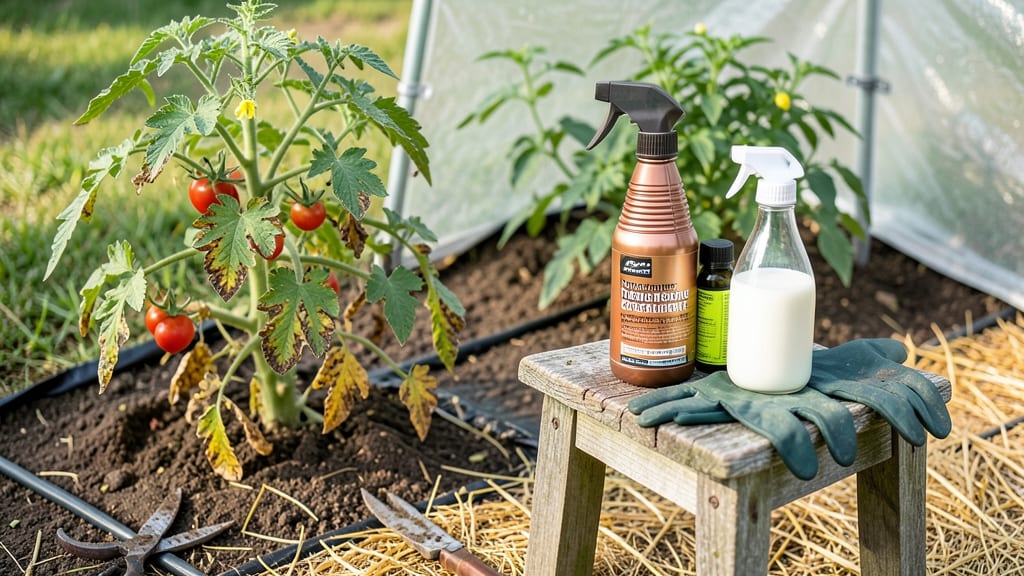
That ugly brown spot on your tomato plant blight treatment? Copper-sulfate soak is the fastest way to stop it. 🌱 I’ve saved my own plants from total collapse with this one trick, and it works whether you’re growing heirlooms or store-bought seedlings.
The key is acting fast: prune infected leaves immediately, then mix 1 tablespoon of copper sulfate per gallon of water. Spray the undersides of leaves (where spores hide) and repeat every 7–10 days until new growth appears.
Most gardeners quit too soon—stick with it for at least 3 weeks to break the fungus cycle.
You’ll see fresh green leaves within days, and the plants will start producing again. The copper kills spores on contact, so no more spreading spots or wilting vines. Plus, it’s safe to use right up until harvest—just rinse fruit if you’re worried about residue.
For long-term fixes, swap out susceptible varieties like ‘Roma’ for blight-resistant ones like ‘Mountain Merit’ and space plants wider. Mulch with straw to keep soil dry, and water at the base—not overhead. Prevention beats treatment every time.
Root Causes Of Tomato Blight
Blight on tomato plants isn’t just a random bad luck scenario—it’s usually a mix of environmental stress, fungal or bacterial invaders, and even poor growing practices. Understanding these triggers is the first step to stopping the spread and saving your harvest.
Let’s break down the real culprits behind tomato blight and why they turn your lush plants into sad, spotted messes.
Blight is most commonly caused by fungal pathogens, with Phytophthora infestans (late blight) and Alternaria solani (early blight) being the top offenders. These fungi thrive in moist, cool conditions and can spread like wildfire if left unchecked.
- Late Blight (Phytophthora infestans)
- This aggressive fungus loves humid, rainy weather (especially temps between 60–75°F).
- It spreads via water droplets, infecting leaves first (dark, greasy spots) before moving to fruit.
- Why it happens: Poor air circulation (crowded plants), overhead watering, and infected plant debris create the perfect breeding ground.
- Early Blight (Alternaria solani)
- Thrives in warm, dry conditions (ideal temps: 77–86°F).
- Starts with concentric rings on lower leaves, then works upward.
- Why it happens: Overwatering, compacted soil (limiting drainage), and old crop residues harbor spores.
💡 Pro Tip: Fungal spores can survive in soil for years—rotate crops and sanitize tools to break the cycle!
Unlike fungi, bacterial blight (often Xanthomonas or Pseudomonas) spreads rapidly through wounds, tools, or even contaminated water. It causes water-soaked lesions that ooze and turn brown.
- How it spreads:
- Rain splashing or overhead irrigation creates entry points.
- Insects (like aphids) or human handling (pruning, harvesting) can transfer bacteria.
- Why it happens: Weak plants (from nutrient deficiency or stress) are more susceptible.
⚠️ Warning: Bacteria can overwinter in plant debris—remove infected plants immediately and avoid composting them.
Blight doesn’t just appear—it’s often triggered by extreme or inconsistent conditions.
- Excess Moisture
- Fungi need water to germinate and spread. Overhead watering (especially in the evening) keeps leaves damp for hours, inviting infection.
- Fix: Water at the base in the morning so foliage dries quickly.
- Temperature Swings
- Cool nights + warm days (common in spring/fall) create ideal blight conditions.
- Why it happens: Sudden temperature drops weaken plant defenses.
- Poor Airflow
- Dense plantings or tall, unpruned vines trap humidity near leaves.
- Fix: Prune for spacing (18–24" apart) and stake plants to improve circulation.
Even the hardiest tomato plants can fall prey to blight if basic care is neglected.
- Overcrowding
- Plants competing for light, water, and nutrients become stressed and vulnerable.
- Solution: Thin seedlings early and use trellises to elevate foliage.
- Ignoring Soil Health
- Compacted or nutrient-poor soil weakens roots, making plants more susceptible.
- Fix: Amend soil with compost and ensure proper drainage.
- Reusing Contaminated Tools/Mulch
- Pruners, gloves, or mulch from last year’s infected plants can carry spores.
- Prevention: Sanitize tools with rubbing alcohol and use fresh mulch.
Some pests worsen blight by creating wounds where pathogens can enter.
- Aphids & Spider Mites
- Feed on sap, weakening plants and spreading bacteria.
- Control: Spray with neem oil or introduce ladybugs.
- Fungal Gnats
- Larvae feed on root fungi, stressing plants and making them blight-prone.
- Fix: Let soil dry slightly between waterings and use yellow sticky traps.
🎯 Key Takeaway: Blight is rarely just one thing—it’s usually a combo of fungus/bacteria + poor conditions + weak plants. The good news? Fixing these root causes (better airflow, copper treatments, crop rotation) can dramatically reduce outbreaks before they start. Stay vigilant, and your tomatoes will thank you!
Quick Fixes for Blighted Tomatoes
Blight doesn’t stand a chance when you act fast and use the right strategies. Below, we’ll map out practical, step-by-step solutions for the most common causes of tomato plant blight—from fungal infections to environmental stressors—plus prevention tips to keep your garden thriving.
No fancy tools or chemicals required; just smart, hands-on care.
Cause: Alternaria solani fungus thrives in warm, humid conditions, causing concentric brown spots on older leaves. Fix:
- 🔪 Prune the Problem
- Snip off infected leaves at the stem (don’t toss them in your compost—bag and trash them). Focus on lower leaves first, as they’re most vulnerable.
- Pro Tip: Sterilize pruners with rubbing alcohol (70% or higher) between cuts to avoid spreading spores.
- 🌡️ Boost Airflow
- Space plants 18–24 inches apart and stake them to improve circulation. Crowded tomatoes = fungal paradise.
- Remove weeds and debris around the base, which trap moisture.
- 💧 Water Smartly
- Morning watering only (avoid evenings). Use a soaker hose or drip irrigation to keep foliage dry.
- If you must overhead-water, aim for the soil, not the leaves.
- 🍫 Copper-Sulfate Rescue
- Mix 1 tbsp copper sulfate per gallon of water (or use a pre-made fungicide like Bordeaux mixture). Spray every 7–10 days until new growth appears.
- Caution: Apply on cool, dry days (not before rain) to avoid leaf burn.
Prevent Relapse:
- Rotate crops yearly—don’t plant tomatoes, peppers, or eggplants in the same spot.
- Plant resistant varieties like ‘Mountain Merit’ or ‘Defiant PhR.’
Cause: Phytophthora infestans (the same fungus that caused the Irish potato famine) spreads rapidly in wet, cool weather, turning leaves black and mushy. Fix:
- 🚨 Quarantine Immediately
- Isolate infected plants at least 10 feet away from healthy ones. Late blight spreads via wind and water.
- Remove all infected plant material (including stems) and do not compost.
- 🛡️ Fungicide Blitz
- Organic Option: Spray with copper fungicide (e.g., Copper Soap) every 5–7 days for 3–4 weeks.
- Synthetic Option: Use chlorothalonil (e.g., Daconil) for severe outbreaks—follow label instructions.
- Pro Tip: Add 1 tsp baking soda + 1 tbsp vegetable oil + 1 tsp dish soap per gallon of water as a preventative spray (reapply weekly).
- 🌧️ Adjust Watering
- Stop overhead watering until the blight is under control. Water only at the base with drip irrigation.
- If rain is forecast, cover plants with row covers (lightweight fabric) to reduce moisture.
- 🌱 Save Your Tomatoes (Maybe) - If blight hits only the lower leaves, you can prune aggressively and monitor.
If the fruit is infected, harvest only ripe tomatoes (green ones may still carry spores). - Last Resort: If the entire plant is beyond saving, pull it and solarize the soil (cover with clear plastic for 4–6 weeks in summer to kill fungi).
Prevent Future Outbreaks:
- Plant early-season varieties to harvest before blight peaks (late summer).
- Avoid planting tomatoes in low-lying areas where water pools.
Cause: Over/under-watering, nutrient deficiencies, or poor soil drainage can mimic blight symptoms. Fix:
- 💧 Check Your Watering
- Too much? Let soil dry 1 inch deep between waterings. Test with your finger—if it’s soggy, cut back.
- Too little? Water deeply 1–2 times per week (more in extreme heat). Use a moisture meter if unsure.
- 🌿 Soil Rescue Mission - Amend heavy clay soil with compost or perlite to improve drainage. - Test soil pH (ideal: 6.0–6.8).
Add lime (to raise pH) or sulfur (to lower it) if needed. - Fertilize wisely: Use a balanced tomato fertilizer (e.g., 5-5-5) every 4–6 weeks, but stop 2 weeks before harvest to avoid excess salts.
- ☀️ Sun & Support
- Ensure 6+ hours of sunlight daily. Move plants if shaded by trees or structures.
- Stake or cage tomatoes to prevent leaves from dragging on wet soil.
Prevent Stress:
- Mulch heavily (2–3 inches of straw or grass clippings) to retain moisture and regulate soil temp.
- Monitor weather forecasts—cover plants with frost cloth if nights dip below 50°F.
Blight hates healthy plants + smart gardeners. Build these habits to stop outbreaks before they start:
| Tactic | How to Do It | When |
|---|---|---|
| Crop Rotation | Avoid planting tomatoes, peppers, or potatoes in the same spot for 3+ years. | Annual planning |
| Resistant Varieties | Choose blight-resistant hybrids (look for “V” or “Ph” in the name). | Seed selection |
| Neem Oil Spray | Mix 1 tbsp neem oil + 1 tsp dish soap per quart of water. Spray weekly as preventative. | Early season + after rain |
| Beneficial Fungi | Apply Trichoderma harzianum (a soil fungus that outcompetes blight). | Planting + midseason |
| Clean Garden | Remove all plant debris at season’s end. Sterilize tools with bleach (1:10 ratio). | Fall cleanup |
Final Reminder: 🌱 Act fast, but stay calm. Blight is manageable with the right steps—don’t let one bad season discourage you. Next year, your tomatoes will be bigger, healthier, and blight-free!
Frequently asked questions
How quickly can I expect to see results after treating tomato blight with copper sulfate?
You should notice new growth within 7–10 days of consistent treatment, but complete recovery may take 3–4 weeks. Copper sulfate kills spores on contact, so stop the spread immediately, but fungal infections need time to heal. Apply every 7–10 days until you see fresh green leaves appearing.
Can I still eat tomatoes from a blight-infected plant?
Only harvest tomatoes that are fully ripe and unblemished. Green or spotted fruit may still carry spores. Rinse ripe tomatoes thoroughly before eating. If blight has reached the fruit, it’s safer to remove the entire plant to prevent further spread.
What’s the difference between early blight and late blight on tomatoes?
Early blight (Alternaria solani) appears as concentric brown rings on older leaves, while late blight (Phytophthora infestans) causes dark, greasy spots that spread rapidly in cool, wet weather. Late blight is more aggressive and can destroy plants in days.
Will neem oil prevent tomato blight, or is it only for pests?
Neem oil helps prevent fungal infections by disrupting spore germination, but it’s not a cure for active blight. Use it as a weekly preventative spray mixed with water and mild soap (1 tbsp neem + 1 tsp soap per quart). For existing blight, pair it with copper sulfate for best results.
How do I know if my tomato plant has blight or just nutrient deficiency?
Blight shows as brown/yellow spots with defined edges, often on lower leaves, while nutrient deficiencies cause uniform yellowing (chlorosis) or stunted growth. Check for other signs: blight spreads upward, while deficiencies affect all leaves equally. Test soil pH if unsure.