
Plants
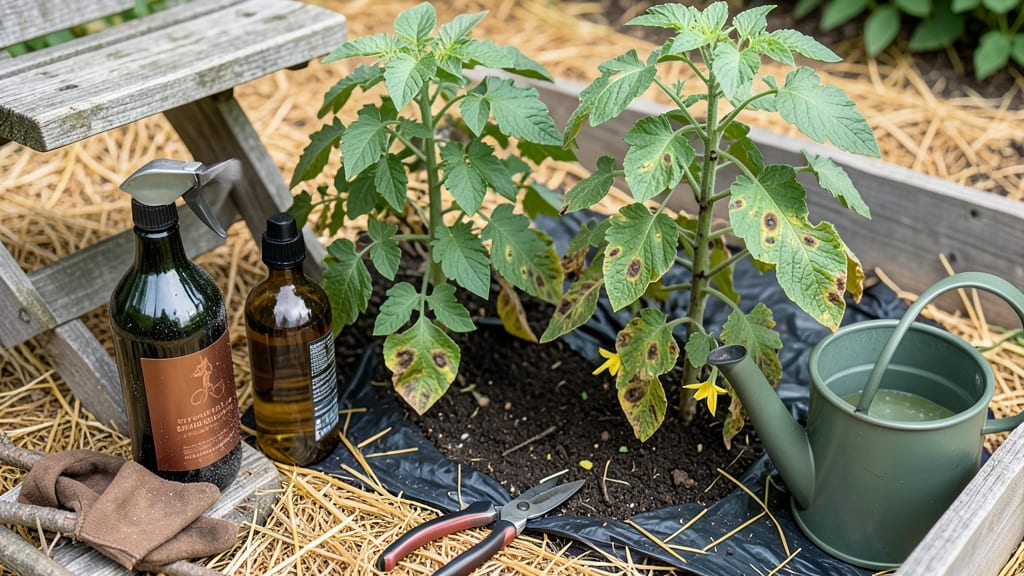
When brown spots with yellow halos start eating your tomato leaves, you’re staring down early blight—and every day counts. 🌱 I’ve lost entire plants to this stubborn fungus, but I’ve also saved harvests with a two-step combo: copper spray to stop the spread and strategic pruning to keep air flowing.
The key is acting fast before the disease moves to the fruit.
Blight thrives in damp, crowded conditions, so your first move is to prune away infected leaves (bag them immediately, don’t compost) and thin out foliage for better airflow.
Copper fungicide—organic or synthetic—is your best defense, but timing matters: apply it at first sign of spots, then every 7-10 days until the season ends. Think of it like armor for your plants.
Within a week, you’ll see new growth pushing out from the center of the plant, and the spread slows dramatically. The copper prevents spores from taking hold, while pruning removes the fungus’s food source.
By midseason, your tomatoes will be thriving again—just like my plants did after that panic-inducing first outbreak.
For next year, focus on prevention: choose disease-resistant varieties, space plants properly, and water at the base (never overhead). These small shifts can mean the difference between a blighted disaster and a bountiful harvest. Let’s get those plants back in fighting shape.
The Root Causes Of Blight
Blight on tomato plants isn’t just a random attack—it’s a result of specific conditions that create the perfect storm for fungal or bacterial invaders. Understanding these triggers is the first step to preventing or managing the problem before it wipes out your garden.
Let’s break down the real culprits behind blight and why your tomato plants might be under siege.
Blight thrives in stagnant, damp environments, where spores can linger and spread effortlessly. Here’s why this happens:
- Overcrowded Plants: When tomato plants grow too close together, their leaves brush against each other, trapping moisture.
This creates a microclimate where humidity stays high—ideal for fungal spores like Phytophthora (which causes late blight) or Alternaria (early blight). - Thick Canopy: Tall, bushy tomato plants with dense foliage block airflow, preventing water from evaporating quickly.
Even after rain or irrigation, leaves stay wet for hours, giving blight spores a 24-hour buffet to colonize. - Poor Garden Layout: Planting tomatoes too near fences, walls, or other plants with large leaves (like basil or peppers) can trap moisture against the stems, accelerating infection.
Actionable Insight: Space plants 18–24 inches apart (for determinate varieties) or 24–36 inches (for indeterminate vines). Prune lower leaves to improve airflow, and avoid overhead watering—stick to drip irrigation or soaker hoses to keep foliage dry.
Tomatoes are thirsty but hate soggy roots. Blight loves excess moisture, especially when combined with poor drainage. Here’s how watering habits contribute:
- Saturated Soil: Blight fungi (Phytophthora in particular) swim through waterlogged soil to infect roots and stems. Even a few hours of standing water is enough to trigger an outbreak. - Inconsistent Moisture: Alternating between drought stress and sudden soaking weakens plant defenses.
Stressed plants produce less cutin (a waxy layer on leaves), making them more vulnerable to fungal entry points. - Late-Evening Watering: Watering after sunset leaves leaves damp overnight, giving spores ideal conditions to germinate and infect by morning.
Actionable Insight: Water deeply but infrequently—aim for 1–1.5 inches per week, adjusting for rain. Use mulch (straw or shredded leaves) to retain moisture without drowning roots. Always water at the base, not the leaves.
Blight doesn’t just appear out of nowhere—it’s often already in your garden, waiting for the right moment to strike.
- Surviving Spores: Fungal spores (like Alternaria or Septoria) can overwinter in soil, plant debris, or even old tomato stems left in the garden. They lie dormant until warm, wet conditions reactivate them. - Windborne Spread: Spores travel on wind, rain, or garden tools.
A single infected plant can release thousands of spores, contaminating nearby healthy plants in days. - Contaminated Tools/Seeds: Pruners, trellises, or even seed packets can carry blight. If you reused last year’s stakes or didn’t sterilize tools, you might’ve unknowingly introduced the pathogen.
Actionable Insight: Rotate crops—avoid planting tomatoes (or nightshades like peppers/eggplants) in the same spot for 3–4 years. Sterilize tools with 10% bleach solution or rubbing alcohol between uses. Remove and destroy (don’t compost) infected plant debris immediately.
Blight isn’t just about moisture—temperature swings play a critical role in its lifecycle.
- Cool Nights + Warm Days: Late blight (Phytophthora) thrives when daytime temps hit 70–80°F but drop below 60°F at night. This thermal stress weakens plants and encourages spore germination. - Prolonged Rain or Dew: Even light rain can spread spores.
If your area gets >1 inch of rain in 24 hours, blight risk skyrockets. - High Humidity: Relative humidity above 75% for more than 10 hours creates a blight-friendly atmosphere. Coastal or tropical climates are especially risky.
Actionable Insight: Monitor local weather forecasts and adjust care during high-risk periods. Use row covers for early-season protection or shade cloth to reduce leaf wetness. Plant blight-resistant varieties (like ‘Mountain Merit’ or ‘Defiant PhR’) if your climate is prone to outbreaks.
A healthy tomato plant can fight off blight better than a stressed one. Common stressors include:
- Nutrient Deficiencies: Lack of potassium (K) or calcium (Ca) makes cell walls weaker, giving fungi easier access. Yellowing leaves or stunted growth are red flags. - Pests: Aphids, spider mites, or hornworms damage leaves, creating entry points for blight.
Even sunburn (from too much exposure) weakens defenses. - Transplant Shock: Moving young plants too early or late in the season stresses them, making them more susceptible to infections.
Actionable Insight: Fertilize properly—use a balanced 10-10-10 or 5-10-10 formula early in the season, then switch to low-nitrogen, high-potassium (like 0-0-5) when fruit sets. Inspect plants weekly for pests and treat early with neem oil or soapy water sprays.
If your irrigation water comes from a pond, rain barrel, or untreated well, it might already carry blight spores.
- Surface Water: Ponds or lakes can harbor Phytophthora spores, which hitchhike into your garden via sprinklers.
- Recycled Graywater: While graywater can be used carefully, never use water that’s been in contact with infected plants or compost piles.
- Municipal Water Issues: In some areas, chlorine levels fluctuate, leaving water slightly contaminated with microbes.
Actionable Insight: Use filtered or boiled water for seedling care. If using rainwater, sterilize it by adding 1 tsp bleach per gallon (let it sit 24 hours, then rinse plants). Avoid overhead sprinklers entirely during blight season.
Quick Fixes for Blighted Tomatoes
Blight doesn’t have to mean the end of your tomato harvest—with the right approach, you can revive your plants and even prevent future outbreaks. Below are practical, step-by-step solutions tailored to the most common causes of blight, from fungal infections to environmental stress.
Each method is designed to be easy to implement, whether you’re a seasoned gardener or a beginner with a green thumb.
Fix: Copper Spray + Pruning + Mulching Early blight thrives in warm, humid conditions, but you can starve the fungus and boost plant health with these steps:
- 🔥 Remove Infected Leaves Immediately
- Snip off yellow or brown leaves (especially lower ones) with sterilized pruners (wipe with rubbing alcohol between cuts).
- Do not compost infected foliage—bag and discard it to prevent spreading spores.
- 🍳 Apply Copper Fungicide (Organic or Synthetic)
- Best time: Early morning or late evening (avoid direct sun).
- How to mix: Follow label instructions (typically 1 tbsp copper sulfate per gallon of water).
- Spray thoroughly on undersides of leaves (where spores hide) and stems.
- Reapply every 7–10 days or after rain.
- 🌱 Mulch to Reduce Soil Splash
- Add 2–3 inches of straw or grass clippings around the base of the plant.
- Keeps soil moist (fungus loves dry-to-wet cycles) and prevents spores from splashing onto leaves.
- 🌡️ Improve Airflow & Spacing
- Prune suckers (side shoots) to open up the plant—crowded foliage traps moisture.
- Space plants 18–24 inches apart if replanting.
💡 Pro Tip: Baking soda spray (1 tbsp baking soda + 1 tsp oil + 1 gallon water) can supplement copper for mild cases.
Fix: Aggressive Pruning + Copper + Baking Soda + Row Covers Late blight spreads fast (like a tomato plant’s version of a wildfire), but quick action can save your crop:
- ⏰ Act Within 24 Hours of Spotting
- Remove and destroy all infected leaves immediately—this disease spreads via water and wind.
- 👨🍳 DIY Copper-Baking Soda Mix (Strong Defense)
- Mix: 1 tbsp copper fungicide + 1 tbsp baking soda + 1 tsp dish soap + 1 gallon water.
- Spray every 5–7 days (or after rain).
- Add a drop of hydrogen peroxide (3%) for extra antifungal power.
- 🛡️ Use Row Covers or Plastic Mulch
- Cover plants with lightweight row fabric to block spores from overhead watering.
- Avoid wetting leaves—water at the base only.
- 🔪 Prune Heavily to Save the Plant
- Cut back severely infected branches (even if it looks drastic).
- Focus on keeping the top 2–3 fruit clusters healthy.
✨ Emergency Move: If blight is out of control, harvest ripe tomatoes immediately and destroy the plant to prevent spread.
Fix: Adjust Care + Strengthen Plant Resilience Blight often exploits weak plants. Fix these underlying issues to prevent fungal attacks:
- 💧 Water Deeply but Less Often
- Morning watering only (avoid evenings to prevent humidity buildup).
- Drip irrigation (not sprinklers) keeps leaves dry.
- Let top inch of soil dry between waterings.
- 🌡️ Provide Shade in Extreme Heat
- Use shade cloth (30–50%) if temps hit 90°F+.
- Mulch heavily to keep roots cool.
- 🏡 Improve Soil Drainage
- Amend soil with compost + perlite if it’s clay-heavy.
- Raise beds if water pools around roots.
- 💪 Boost Plant Immunity with Fertilizer
- Fish emulsion or seaweed extract (rich in silica and potassium) strengthens cell walls.
- Avoid high-nitrogen fertilizers (they promote soft, blight-vulnerable growth).
🎯 Prevention Tip: Plant resistant varieties like ‘Mountain Merit’ or ‘Defiant PhR’ for next season.
Sometimes, saving the plant isn’t worth it. Pull the plant if:
- More than 50% of leaves are infected.
- Blight spreads to fruits (toxic spores can contaminate tomatoes).
- You’ve tried treatments for 2+ weeks with no improvement.
🌱 What to Do Next:
- Rotate crops (don’t plant tomatoes/solomon’s seal in the same spot for 3 years).
- Solarize soil (cover with clear plastic for 4–6 weeks in summer to kill fungi).
Final Thought: Blight is manageable—the key is speed and consistency. Act at the first sign, and your tomato plants will bounce back stronger than ever! 🍅💪
Frequently asked questions about tomato plant blight
How can I tell if my tomato plant has early blight vs. late blight?
Early blight shows as brown spots with concentric rings on older leaves, often with yellow halos. Late blight appears as greasy-looking dark spots that spread rapidly, often on younger leaves and stems. Check the undersides of leaves—early blight targets lower leaves first, while late blight moves upward aggressively.
Is it safe to compost tomato leaves with blight?
No, never compost infected foliage. Blight spores survive composting and can reinfect your garden. Instead, bag and discard infected leaves in the trash. For severe cases, burn them if possible to eliminate spores completely.
Can I still eat tomatoes from a blighted plant?
Only if the fruit shows no signs of infection. Remove any tomatoes with dark spots or lesions immediately. Late blight can contaminate fruit, making it unsafe to eat. Harvest ripe tomatoes first, then destroy the plant to prevent further spread.
How often should I apply copper spray for blight prevention?
Apply copper fungicide every 7-10 days during blight season (spring through fall). Start at the first sign of spots and continue until harvest. For organic options, mix 1 tbsp copper sulfate per gallon of water and spray in the early morning or evening.
Will pruning alone stop blight from spreading?
Pruning helps but isn't enough by itself. Remove infected leaves immediately, but pair it with copper spray and improved airflow. Without fungicide, spores will continue spreading through wind and water. Think of pruning as removing the food source while copper acts as a shield.