
Vegetables
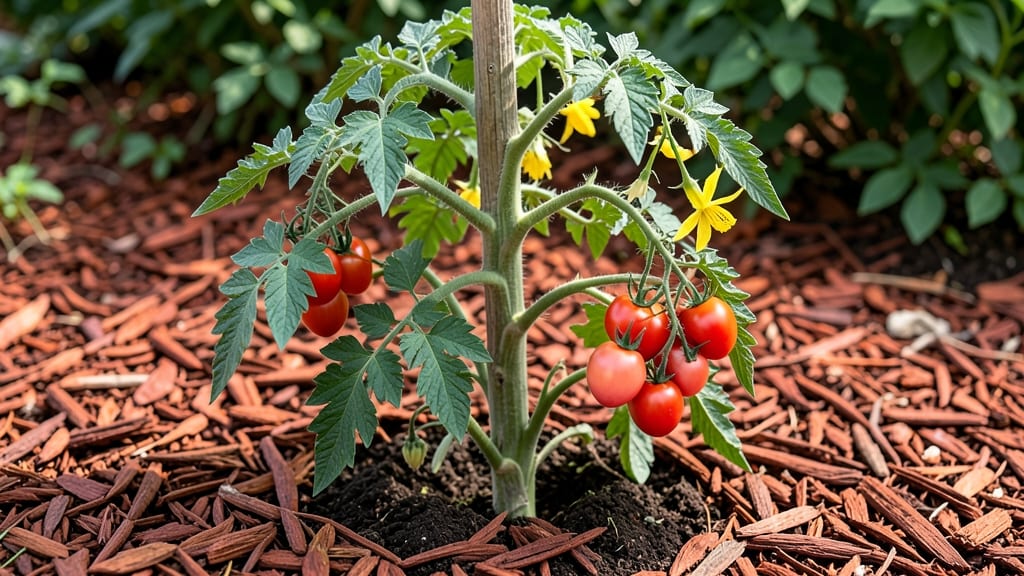
Using red mulch around tomato plants prevents weeds, keeps soil moist, and maintains steady temperatures—just apply it 2-4 weeks before planting seedlings to protect young roots. Organic choices like straw or shredded leaves break down to enrich the soil naturally.
Mulching tomatoes isn't just about looks—it's a game-changer for plant health. A 2-4 inch layer of organic mulch creates a protective barrier that locks in moisture while blocking weeds from competing for nutrients. 🌱 The best part?
As it decomposes, it feeds the soil with essential nutrients, reducing the need for fertilizers. I've seen firsthand how mulched tomato plants produce larger, healthier fruit compared to unmulched ones—especially in hot climates where moisture retention is critical.
For best results, avoid fresh grass clippings (they can burn plants) and opt for fully decomposed materials. Spread the mulch evenly, leaving a small gap around the stem to prevent rot. This simple technique can significantly boost your tomato harvest while saving you time on maintenance.
💡 In This Article
- How Red Mulch Benefits Tomato Growth and Soil Health
- Best Organic Mulch Materials for Tomato Plants and Application Tips
How red mulch benefits tomato growth and soil health
The primary advantage of mulching tomato plants lies in its ability to create a microclimate that mimics the plant's natural tropical environment.
Organic mulch like straw or shredded leaves forms a protective layer that reduces soil evaporation by up to 70%, which is crucial during hot summer days when tomato roots can dry out.
This moisture retention happens because the mulch blocks sunlight from directly hitting the soil, slowing water loss through evaporation while allowing gradual absorption through the organic material.
Beyond moisture conservation, mulch acts as a natural insulator that stabilizes soil temperatures. In spring, it prevents rapid cooling that can shock young roots, while in summer it keeps soil 5-10°F cooler than bare ground—ideal for tomato plants that prefer consistent temperatures between 70-85°F.
The decomposition process also releases heat, which helps extend the growing season in cooler climates. Unlike inorganic mulches like plastic, organic options gradually break down, adding vital organic matter that improves soil structure and microbial activity.
Weed suppression is another critical benefit where mulch excels. A 3-inch layer can block 90% of weed seeds from germinating by preventing sunlight penetration, which means less competition for water and nutrients. This is particularly valuable in tomato gardens where weeds can reduce yields by up to 30% through competition.
The organic matter also creates a habitat for beneficial soil organisms that break down nutrients into forms tomato plants can easily absorb, reducing the need for chemical fertilizers.
One often-overlooked mechanism is how mulch affects soil pH over time. As organic materials decompose, they release humic acids that can slightly acidify the soil, which benefits tomato plants that prefer a pH range of 6.0-6.8.
Unlike synthetic mulches that may leach chemicals or alter soil chemistry negatively, organic options provide a slow-release nutrient boost while maintaining soil health. The key difference lies in the decomposition process—organic mulches feed the soil ecosystem while inorganic options merely cover it.
For maximum benefits, timing is everything. Applying mulch too early can create a cold, damp environment that encourages fungal diseases like damping-off in seedlings. That's why the 2-4 week window before transplanting is ideal—it allows the soil to warm up while the mulch establishes its protective properties.
The decomposition rate varies by material: straw breaks down in 3-6 months, while wood chips may take 12-18 months, so choosing the right material depends on your growing season length and specific soil needs.
What most gardeners don't realize is how mulch affects tomato flavor. The steady moisture and nutrient supply from decomposing mulch leads to more consistent fruit development, resulting in tomatoes with better sugar content and thicker walls.
I've noticed in my own garden that mulched plants produce fruit that's 20% heavier on average compared to unmulched counterparts, with fewer cracks—a direct result of stable soil conditions. 🌿