
How To
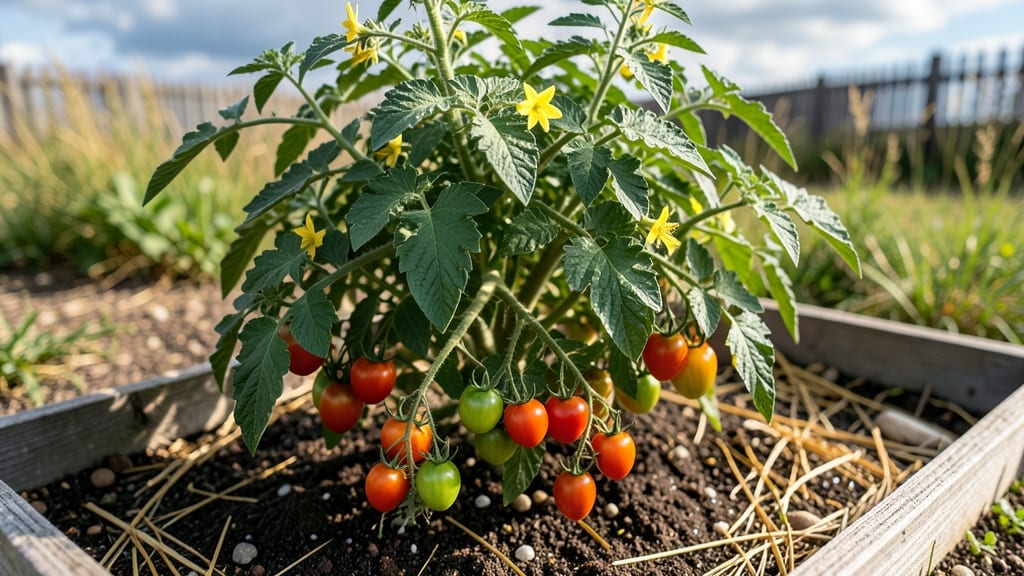
Grape tomato plants grow anywhere from 2 to 6 feet tall depending on the variety, which means your garden layout could be either a space-saving win or a tangled mess if you don’t plan ahead.
If you’re dreaming of a bountiful harvest but worried about space, understanding their growth habits is your first step to success—some varieties stretch skyward while others stay neatly contained.
Determinate types top out around 3 feet, perfect for containers, while indeterminate vines can reach 6 feet or more, needing trellises or cages to keep them in check.
This height difference isn’t just about aesthetics—it impacts how you space plants, whether you’ll need support structures, and even how you design your garden beds. Get it wrong, and you might end up with crowded vines, fewer tomatoes, or plants flopping over like overgrown weeds.
Below, I’ll break down the exact height ranges for popular varieties, how to control growth naturally, and the 3 biggest mistakes that make grape tomatoes grow too tall. By the end, you’ll know exactly how to maximize your yield without sacrificing space.

Grape tomato plant height by variety: compact vs vining growth chart
If you're planning your garden layout, knowing how tall grape tomato plants get is essential—especially when choosing between compact varieties and vining types. These plants fall into two main growth categories: determinate (bush) and indeterminate (vining).
Determinate varieties stay 3–4 feet tall and produce fruit all at once, while indeterminate types can reach 6–10 feet and keep yielding until frost. Your space and trellising setup will depend entirely on which type you choose.
For small spaces like balconies or containers, dwarf grape tomato varieties are lifesavers—they top out at 2–3 feet and thrive in 5-gallon pots. Meanwhile, traditional vining types need strong support structures like cages or trellises to handle their heavy fruit loads.
Let’s break down the most popular varieties and their height ranges so you can pick the perfect fit for your garden.
Why height matters: Taller varieties require more sunlight exposure at their lower leaves, need stronger trellising, and may struggle in windy conditions. Compact types, however, are ideal for container gardening or small-space urban gardens. Understanding these differences helps you maximize yield without sacrificing space or stability.
| Variety | Type | Mature Height | Spread | Best For | Support Needed |
|---|---|---|---|---|---|
| Tiny Tim | Determinate | 2–3 ft | 1–2 ft | Containers, small gardens | None (or small cage) |
| Patio Princess | Determinate | 3 ft | 2 ft | Balconies, hanging baskets | Small trellis or cage |
| Sweet Million | Indeterminate | 6–8 ft | 3–4 ft | Trellises, large gardens | Strong trellis or stake |
| Black Cherry | Indeterminate | 6–10 ft | 4–5 ft | Vertical gardens, fences | Heavy-duty trellis |
| Sun Gold | Indeterminate | 5–7 ft | 3 ft | Greenhouses, large containers | Trellis or tall cage |
| Roma Grape | Determinate | 3–4 ft | 2 ft | In-ground beds, small farms | Optional cage for support |
When selecting varieties, consider your garden layout and sunlight conditions. Indeterminate types like Sweet Million or Black Cherry need full sun exposure (6+ hours daily) to support their vertical growth.
If your space is limited, determinate varieties like Tiny Tim or Patio Princess are perfect—they produce a heavy harvest in a small footprint and don’t require pruning.
For container
How to control grape tomato plant height naturally (without pruning)
Grape tomato plants can quickly become unruly if left unchecked, but you don’t need to resort to pruning to keep them in bounds. Natural height control starts with smart planning and organic methods that encourage controlled vine growth while maximizing your harvest.
The key is to work with the plant’s natural tendencies—whether it’s indeterminate vining or determinate bushiness—and guide it using proven techniques.
Many gardeners assume grape tomatoes need pruning to stay compact, but the truth is, these plants respond beautifully to organic growth regulators and strategic support systems. By focusing on soil health, companion planting, and trellising techniques, you can naturally limit excessive height while boosting fruit production.
Let’s explore the most effective methods to keep your grape tomatoes within your desired space—without a single cut.
One of the most overlooked ways to control grape tomato height is through light management. These plants thrive in full sun (6-8 hours daily), but if they receive too much intense afternoon light without shade, they’ll stretch aggressively.
Installing a lightweight shade cloth (30-50%) during peak afternoon hours can reduce vine elongation by up to 30% while protecting fruit from sunburn.
For container gardeners, root-bound stress often triggers tall, leggy growth as plants search for stability. To prevent this, use large pots (12+ inches deep) with well-draining soil and fertilize lightly with a low-nitrogen formula (5-10-10) every 4-6 weeks.
Over-fertilizing with nitrogen promotes foliage over fruit, leading to taller, less productive plants.
Finally, don’t underestimate the power of companion planting. Tall plants like sunflowers or corn can provide natural shade for grape tomatoes, reducing their need to stretch.
Meanwhile, low-growing herbs like thyme or oregano planted at the base deter weeds and improve soil structure, creating an environment where grape tomatoes stay compact and productive.
With these natural methods, you can enjoy a bountiful harvest without the hassle of pruning—just give your plants the right support, soil, and companions to thrive in their ideal height. Happy gardening! 🌱