
How To
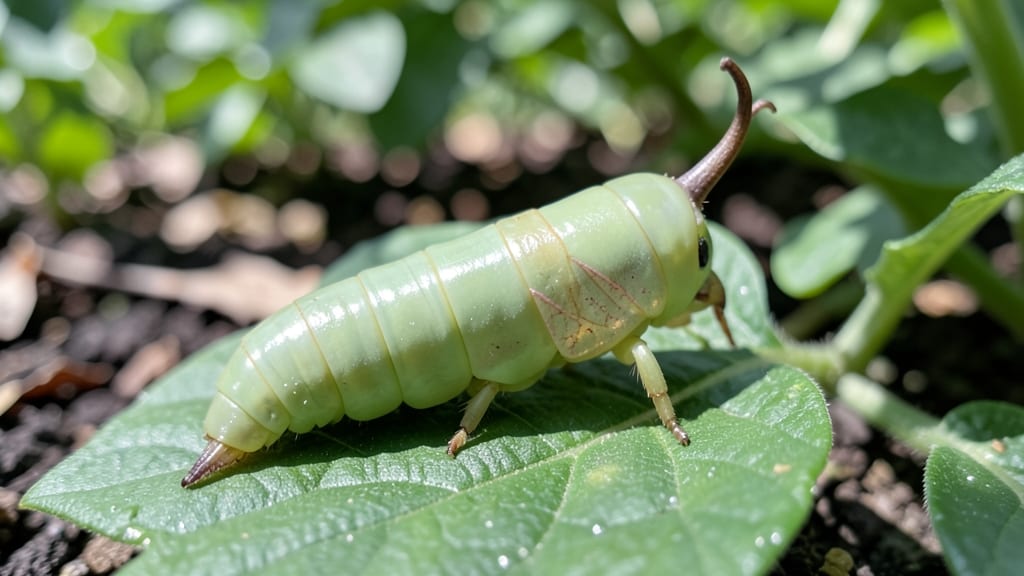
The tomato hornworm turns into one of nature's most fascinating creatures—a moth with a 4-inch wingspan that emerges from your garden soil after a dramatic transformation. 🌿 I used to dread these striped caterpillars devouring my tomato plants, but now I see them as temporary residents with a purpose—and a stunning ending.
These caterpillars grow 2 inches in a single day, stripping leaves before pupating in the soil. The real magic happens when they metamorphose into sphinx moths, which pollinate night-blooming flowers like moonflowers and evening primrose.
Their lifecycle is a reminder that even pests play a role in garden ecosystems. Instead of battling them, I now harvest hornworms for compost (they break down quickly) or release them near flowering plants they'll pollinate. The trade-off?
A few chewed leaves for a future full of moths fluttering at dusk. Here's how to monitor them without harming your tomatoes: check plants daily, handpick caterpillars, and encourage their natural predators like parasitic wasps. Your garden becomes a living classroom in pest-and-pollinator balance.
Life Cycle Triggers Explained
The dramatic transformation of a tomato hornworm into a sphinx moth isn’t just nature’s magic—it’s a finely tuned biological process driven by environmental cues, genetic programming, and survival instincts.
Understanding these triggers helps gardeners anticipate and manage their presence before they become a problem. Here’s why this metamorphosis happens—and what you can do to influence it.
The tomato hornworm’s life cycle is tightly linked to seasonal changes, particularly temperature and daylight. Here’s how it works:
- Warmth Accelerates Growth: Hornworms thrive in temperatures between 70–85°F (21–29°C). When nights stay warm, larvae grow faster, molting through their five instar stages (growth phases) in as little as 4–6 weeks. Cooler nights slow development, delaying pupation.
- Daylight Length Matters: Longer days (14+ hours of light) signal to larvae that it’s time to pupate. This is why late-summer gardens see a surge in hornworms transforming—abundant daylight mimics peak feeding conditions.
- Rainfall and Humidity: Moisture-rich environments help larvae find shelter for pupation. After a heavy rain, you might spot more pupae clinging to stems or hidden in soil crevices.
Actionable Tip: 💡 If you’re dealing with an early-season infestation, shade cloth or row covers can delay larval growth by reducing heat exposure.
Hornworms are specialized feeders, and their transformation hinges on access to their favorite meals—tomatoes, peppers, and eggplants. Here’s how food drives their metamorphosis:
- Unlimited Buffet = Rapid Growth: A single hornworm can devour 20+ tomato leaves in a week. When food is plentiful, larvae prioritize storing fat and energy for pupation, triggering hormonal changes that kickstart metamorphosis.
- Starvation Delays Transformation: If food is scarce (e.g., late in the season or in overcrowded gardens), larvae may enter a diapause—a dormant state—to survive until better conditions. This can stretch their life cycle into fall or even winter in mild climates.
- Plant Stress = Chemical Signals: Stressed plants (e.g., drought-prone or diseased tomatoes) produce volatile organic compounds (VOCs) that can attract more hornworms—and speed up their development once they arrive.
Actionable Tip: 🌱 Interplant tomatoes with basil or marigolds—these repel hornworms naturally, reducing their food supply and slowing their life cycle.
Even with perfect conditions, a hornworm’s transformation is pre-determined by genetics. Here’s the science behind their biological clock:
- Instinctive Molting Triggers: After 5 molts, the larva’s body releases ecdysone (a molting hormone) that signals it’s time to pupate. This is hardwired—no amount of food or warmth can skip this step.
- Pupation Site Selection: Larvae seek out secure, elevated spots (like tomato stems or hidden under leaves) to pupate. This reduces predation risk and ensures the emerging moth has the best chance to mate and lay eggs.
- Diapause in Harsh Climates: In cooler regions, some hornworms enter diapause as pupae, delaying emergence until spring. This is a genetic survival mechanism to avoid winter’s freeze.
Actionable Tip: ✨ If you’re composting hornworms, harvest pupae early (before they darken) to ensure they don’t accidentally overwinter in your soil.
While it might seem counterintuitive, predators actually influence when hornworms transform. Here’s how:
- Stress from Predators Speeds Up Metamorphosis: Hornworms exposed to parasitic wasps (like Cotesia congregata) or birds may pupate earlier to escape harm. The wasp’s larvae even hijack the hornworm’s nervous system to force premature pupation!
- Lack of Predators = Longer Larval Stage: In gardens with few natural enemies (e.g., no birds, toads, or wasps), hornworms may linger as larvae longer, increasing crop damage.
- Pupae Are Vulnerable Too: Once a hornworm pupates, it’s still at risk from ants, spiders, or even curious pets. This selective pressure ensures only the fittest survive to become moths.
Actionable Tip: 🐝 Encourage beneficial insects like ladybugs and lacewings by planting dill, fennel, or alyssum nearby—they’ll keep hornworm populations in check naturally.
By understanding these triggers, you can time interventions—like handpicking larvae or composting pupae—more effectively. The key? Act before the hornworm acts.
Quick Fixes for Tomato Hornworms
If you’ve spotted tomato hornworms munching on your prized plants, don’t panic! These caterpillars may seem like a nightmare, but with the right approach, you can eliminate them fast and even turn them into something useful.
Below are practical, step-by-step solutions tailored to the most common causes of infestations—plus prevention tips to keep your garden thriving.
If you’ve only spotted a few hornworms, handpicking is the fastest and most effective method. These caterpillars are large and easy to spot—just grab them and toss them into a bucket of soapy water.
How to do it:
- 👨🍳 Inspect your plants early in the morning when hornworms are sluggish.
- 🔪 Use gloves or tongs to pick them off (they can be hairy and may cause irritation).
- 🥘 Drop them into soapy water—this ensures they don’t survive to pupate.
- 🌱 Dispose of them immediately—composting them isn’t recommended since they can still harm other plants.
Pro Tip: 💡 Check the undersides of leaves and inside flower clusters—these are favorite hiding spots!
Instead of relying on chemicals, leverage nature’s pest control. Hornworms have many natural enemies, including:
- 🐞 Parasitic wasps (they lay eggs inside hornworms, killing them from within).
- 🦋 Ladybugs and lacewings (they eat hornworm eggs).
- 🐦 Birds and chickens (they snack on the caterpillars).
How to attract them:
- 🌿 Plant companion flowers like dill, fennel, and marigolds—they attract beneficial insects.
- 🌡️ Avoid pesticides—they kill both pests and predators.
- 🎯 Install bird feeders near your garden to encourage feathered helpers.
Pro Tip: ✨ If you see white cocoons on hornworms, don’t remove them—these are parasitic wasp pupae, and they’ll eventually kill the caterpillar!
If manual removal isn’t enough, organic sprays can help without harming your garden’s ecosystem. Some of the best options include:
| Spray Type | How It Works | Application Tips |
|---|---|---|
| 🌿 Neem Oil | Disrupts feeding and growth | Spray in the evening (avoids harming bees) |
| 🍋 Bacillus thuringiensis (Bt) | Kills caterpillars internally | Mix with water and spray directly on worms |
| 🌶️ Spicy Pepper Spray | Repels hornworms with capsaicin | Reapply after rain |
Pro Tip: 🔥 Bt is the safest—it only affects caterpillars, not other insects or plants.
The best defense is a strong offense. Here’s how to stop hornworms before they start:
- 🌱 Rotate crops—planting tomatoes in the same spot yearly attracts more hornworms.
- 🌿 Use row covers early in the season to block egg-laying moths.
- 🌙 Handpick eggs (they’re tiny and yellow) before they hatch.
- 🍅 Grow resistant varieties like ‘Cherokee Purple’ or ‘Brandywine’ (though no variety is 100% immune).
Pro Tip: 🎯 Plant basil near tomatoes—its strong scent repels hornworms naturally!
By acting fast and using natural, chemical-free methods, you can keep your tomato plants safe while also reducing waste. And if you do find hornworms? Don’t toss them out—turn them into compost (after ensuring they’re dead) for a nutrient boost in your garden! 🌱♻️
Frequently asked questions
What does a tomato hornworm turn into?
A tomato hornworm transforms into a sphinx moth (also called a hawk moth) with a 4-inch wingspan. These moths are nocturnal pollinators that visit night-blooming flowers like moonflowers and evening primrose. Their transformation happens inside a pupal case, which often forms in the soil or on plant stems.
How long does it take for a tomato hornworm to turn into a moth?
The entire lifecycle from egg to adult moth typically takes 4-6 weeks in warm conditions. The caterpillar stage lasts about 3-4 weeks, while pupation inside the soil or plant debris takes another 10-14 days. Cooler temperatures can extend this process significantly.
What should I do if I find hornworm pupae in my garden?
You can either remove and dispose of pupae (to prevent moth emergence) or leave them if you want to support pollinators. If removing, dig them up carefully—they’re fragile. For composting, ensure they’re dead first (freeze them overnight). The moths they become are harmless and beneficial for your garden ecosystem.
Can I safely keep hornworms as pets before they transform?
Yes! Hornworms are easy to care for as pets. Feed them fresh tomato or pepper leaves daily and keep them in a ventilated container with a damp paper towel. They’ll grow 2 inches per week and can be handled gently (they won’t bite). Just avoid releasing them near your tomato plants if you want to protect your crops.
Why do some hornworms not turn into moths?
Some hornworms may fail to complete metamorphosis due to parasitism (like from wasps), predation (birds or other insects), or environmental stress (extreme cold or drought). You might also find "mummified" pupae—these are often already parasitized by beneficial wasps that will eventually emerge to kill the hornworm.