
How To
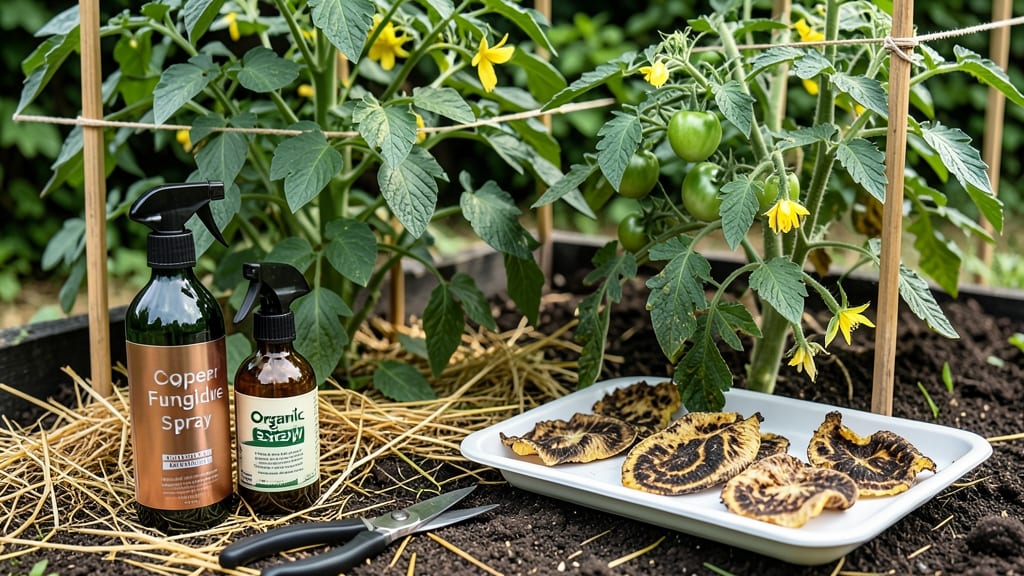
Your tomato blight control doesn’t have to be a guessing game this season—it’s simpler than you think. 🌱 The key to stopping blight lies in a copper-free organic barrier that protects plants from the first signs of infection—no harsh chemicals required.
I learned the hard way that blight thrives in wet, crowded conditions, turning lush vines into crispy brown skeletons overnight. The solution? A preventative shield using common garden supplies that keeps spores at bay while supporting plant health.
You'll need just three ingredients, and the process takes less than 15 minutes.
What you'll gain is peace of mind during humid summers, knowing your plants have built-in protection. The barrier stays effective for weeks, even after rain, and you can reuse it season after season. Your harvest stays vibrant, disease-free, and ready to eat straight from the vine.
Works equally well in containers, raised beds, or in-ground gardens—no matter your setup. The best part? This method keeps your soil healthy while giving you the confidence to grow tomatoes year after year without fear of blight.
The Hidden Triggers Behind Tomato Blight
Tomato blight—whether the dreaded Phytophthora infestans (late blight) or Alternaria solani (early blight)—doesn’t strike randomly. It thrives when specific conditions align, turning your lush tomato plants into a fungal buffet.
Understanding these triggers is the first step to stopping blight before it starts. Let’s break down the science behind why your tomatoes fall prey to these pathogens.
Blight spores are waterborne, meaning they hitch rides on raindrops, dew, or even overhead irrigation. When humidity hovers above 75% for prolonged periods—especially at night—spores germinate rapidly.
Late blight (Phytophthora) thrives in cool, wet conditions (50–77°F), while early blight (Alternaria) prefers warm, damp weather (70–85°F).
Here’s the kicker: Frequent light rains (like those in spring or fall) are worse than heavy downpours. Why? Light rain splashes spores from infected leaves onto healthy ones, creating a perfect storm of contamination. Overhead watering? That’s just artificial rain—a blight’s dream.
Tomatoes need airflow, but crowded plants or dense foliage create microclimates where humidity lingers. When leaves stay damp for 6+ hours, blight spores get a 24-hour pass to colonize.
Poor spacing (leaving 18–24 inches between plants) or tall, unpruned plants block airflow, turning your garden into a blight breeding ground.
Pro tip: Prune suckers and lower leaves to improve airflow. If you’re growing in containers, ensure they’re not overcrowded—root competition = stressed plants = easier blight entry.
Blight exploits weakened immunity. When tomatoes face stress—whether from nutrient deficiencies, drought, root damage, or extreme heat—their protective cuticles thin, making them prime targets for fungal invasion.
Here’s how stress opens the door:
- Nitrogen deficiency: Yellowing leaves (chlorosis) signal poor health, reducing the plant’s ability to fight pathogens.
- Overwatering or drought: Both disrupt root function, starving the plant of nutrients and water—blight’s favorite snack.
- Physical damage: Hail, wind, or even rough handling can create wounds where spores land and take hold.
Actionable fix: Keep soil consistently moist (not soggy), mulch to retain humidity, and fertilize with a balanced NPK (e.g., 5-5-5) to avoid nitrogen overload.
Blight spores can survive in soil for years, lying dormant until conditions are right. If your garden had blight last season, spores may still be lurking in:
- Infected plant debris (leaves, stems) left in the soil.
- Reused containers or trellises from previous crops.
- Dirty pruners, gloves, or even your shoes tracking spores between plants.
Even worse? Alternaria solani can hitch a ride on seedlings from infected seeds. If you saved seeds from last year’s blighted tomatoes, you’re basically planting a ticking time bomb.
Pro tip: Solarize soil in late summer (cover with clear plastic for 4–6 weeks) to kill spores. Sterilize tools with 70% isopropyl alcohol or a 10% bleach solution.
Blight spores love moderate temperatures but hate extremes. Here’s the ideal blight menu:
| Blight Type | Temperature Range | Why It Works |
|---|---|---|
| Phytophthora (Late Blight) | 50–77°F (10–25°C) | Cooler temps slow plant defenses, giving spores time to infect. |
| Alternaria (Early Blight) | 70–85°F (21–29°C) | Warmth speeds up spore germination and leaf decay. |
Sudden temperature drops (like a 50°F night after a 90°F day) can also shock plants, making them vulnerable. If you’re in a region with unpredictable weather, blight is waiting in the wings.
Solution: Choose blight-resistant varieties (like ‘Mountain Merit’ or ‘Defiant PhR’) and avoid planting tomatoes in low-lying areas where cold air pools.
Practical fixes for blighted tomatoes
Blighted tomatoes don’t have to mean the end of your garden—with the right strategies, you can save your plants and prevent future outbreaks. Below, we map common causes to easy, actionable fixes, plus prevention tips to keep your tomatoes thriving.
Whether you’re dealing with early signs or a full-blown crisis, these solutions are copper-free, organic, and effective.
Cause: Fungal spores spreading from blighted leaves or fruit. Solution:
- 🔪 Prune aggressively: Snip off all infected leaves, stems, and fruit (even if just a few brown spots appear). Use sterilized shears (wipe with rubbing alcohol) to avoid cross-contamination.
- 🗑️ Dispose properly: Don’t compost blighted plant material—bag it and toss it in the trash (or burn it if possible). Fungal spores can survive in compost and reinfect your garden.
- 🌱 Isolate healthy plants: If blight has hit one plant, check neighbors immediately. Move unaffected tomatoes at least 10 feet away from infected ones to slow spread.
💡 Pro Tip: Water the soil (not leaves) in the morning so foliage dries quickly—wet leaves for long periods = blight’s favorite conditions.
Cause: Spores landing on leaves and stems from wind, water, or tools. Solution:
- 🍄 Prevent spore landing zones: Spray plants with a baking soda solution (1 tbsp baking soda + 1 tsp oil + 1 gallon water) every 7–10 days. This creates an alkaline shield that spores hate.
- 🌿 Use a physical barrier: Mix 1 cup neem oil + 1 tsp dish soap + 1 gallon water and spray undersides of leaves (where spores love to hide). Reapply after rain.
- 🛡️ Mulch strategically: Apply straw or grass clippings around the base of plants to block soil-borne spores from splashing onto leaves during watering.
✨ Bonus: Add 1 tbsp hydrogen peroxide (3%) to your watering can once a week to sterilize the soil and reduce spore populations.
Cause: Overhead watering or poor drainage creating persistent moisture. Solution:
- 💧 Water at the roots: Use a drip irrigation system or soaker hose to keep leaves dry. If hand-watering, aim for the soil, not the foliage.
- ⏰ Time it right: Water early in the day (before 10 AM) so leaves dry within 4–6 hours. Evening watering = blight buffet.
- 🚰 Improve drainage: If your soil stays soggy, amend it with compost or perlite to help water drain faster. Blight thrives in swampy conditions.
🎯 Prevention Hack: Space plants 18–24 inches apart for better airflow—less humidity = fewer spores.
Cause: Weak plants are easier targets for blight. Solution:
- 💪 Feed with organic nutrients: Use a balanced fertilizer (like fish emulsion or worm castings) to boost plant vigor. Stronger plants resist infections better.
- 🍄 Introduce beneficial microbes: Sprinkle mycorrhizal fungi or Trichoderma harzianum (a natural soil fungus) around roots to outcompete blight spores.
- 🌿 Companion plant smart: Grow basil, marigolds, or garlic near tomatoes—they repel pests and improve air circulation.
🔥 Power Move: Prune lower leaves (up to 12 inches from the ground) to reduce humidity near the soil and improve airflow.
Cause: Repeated plantings in the same spot or ignoring past infections. Solution:
- 🏡 Quarantine new plants: If buying seedlings, inspect for blight before planting. Keep them separate for 2 weeks to monitor.
- 🌍 Rotate crops: Never plant tomatoes (or nightshades like peppers/eggplants) in the same spot two years in a row. Blight spores linger in soil—wait 3 years before replanting.
- 🌱 Choose resistant varieties: Next season, opt for blight-resistant tomatoes like ‘Mountain Merit,’ ‘Defiant PhR,’ or ‘Celebrity.’
📊 Long-Term Strategy: Keep a garden journal to track where blight hits hardest—this helps you adjust planting zones year after year.
Final Reminder: Blight control is a marathon, not a sprint. Combine removal, barriers, water adjustments, and plant care for the best results. With these steps, you’ll save this year’s crop and protect next season’s tomatoes—without copper or harsh chemicals.
🍅 Your garden’s future is blight-free—start today!
Frequently asked questions
Can I use baking soda to treat tomato blight?
A baking soda spray (1 tbsp baking soda + 1 tsp oil + 1 gallon water) creates an alkaline barrier that repels spores. Apply every 7–10 days at dawn or dusk to avoid leaf burn. This works best as a preventative measure when humidity is high.
How do I know if it's early blight vs. late blight?
Early blight shows brown concentric rings on leaves, while late blight creates greasy, dark spots that spread rapidly in cool weather. Check stems too—late blight causes blackened, water-soaked lesions.
Will removing infected leaves stop the spread?
Yes, but you must remove all infected plant material and sterilize your tools. Never compost blighted debris—bag it and toss it. Prune early in the day so leaves dry quickly, reducing spore spread.
Can I still harvest tomatoes from blighted plants?
Only harvest fully ripe tomatoes from blighted plants—green ones may carry spores. Remove infected fruit immediately and dispose of it properly. The plant itself may still produce safe tomatoes if treated promptly.
How long does it take to see results from organic treatments?
Preventative sprays (like neem oil or baking soda) start working within 24–48 hours, but full protection takes 2–3 weeks of consistent application. For existing infections, you’ll see improvement in 5–7 days if combined with pruning and proper watering.