
How To
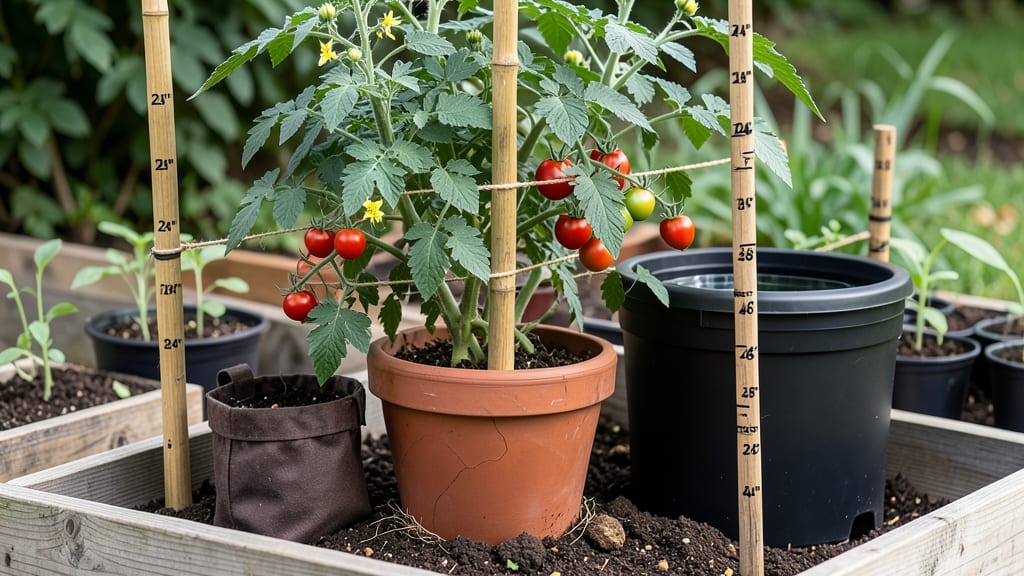
How tall do tomato plants grow in pots? They can reach heights of 3 to 6 feet—or stay as short as 1 to 2 feet—depending on the variety, container size, and care you provide.
Picture this: You’ve spent weeks nurturing your 🍅 plants, only to watch them sprawl instead of soar. The secret isn’t just luck—it’s understanding how pot size, sunlight, and pruning work together to unlock a tomato plant’s full potential.
In this guide, I’ll break down which varieties thrive in containers, how pot dimensions affect height, and the 5 pro tips that’ll turn your balcony tomatoes into towering, fruit-heavy giants.
Whether you’re working with a 5-gallon bucket or a 15-gallon trough, you’ll learn how to maximize growth without sacrificing yield—or your sanity.

Tomato plant height by variety: which types thrive best in pots?
Choosing the right tomato variety can transform your container garden from a cramped struggle to a fruit-filled success. In pots, tomato heights vary dramatically—from compact 1-foot dwarfs to 6-foot vining giants.
The key lies in understanding two main growth types: determinate (bushy, self-supporting) and indeterminate (vining, continuous growth). Your pot size and trellis setup will determine which varieties reach their full height potential.
Determinate tomatoes stop growing at a set height, making them ideal for small containers and balcony gardens. Indeterminate types, however, keep growing until frost, requiring larger pots and vertical support.
I’ve grown both types in containers, and the difference in height—and yield—is staggering. Let’s break down which varieties thrive where, so you can pick the perfect match for your space.
🌱 Comparison Table: Tomato Heights by Variety in Pots
Dwarf varieties like 'Tiny Tim' or 'Patio Princess' are my go-to for small spaces. These 1–2 foot wonders produce heavy yields in just 5-gallon pots, making them perfect for balconies or kitchen windowsills.
Their compact growth means no trellis is needed, and they ripen all their fruit at once—ideal for canning or fresh eating in one go.
For taller growth, indeterminate varieties like 'Sungold' (cherry) or 'Brandywine' (heirloom) reach 5–8 feet in large containers. These vining types need 15+ gallons of space and a sturdy trellis to support their weight.
I’ve seen 'Sungold' produce pounds of fruit over months in a 20-gallon fabric pot, but only if given enough room to spread their roots.
One common mistake I see is underestimating pot size for taller varieties. A 5-gallon pot might work for dwarf tomatoes, but the same container will stunt an indeterminate plant, leading to fewer fruits and poor growth.
Always match your pot size to the variety’s mature height—root space equals plant height.
If you’re working with limited space, consider pruning techniques to control height. For indeterminate types, I recommend topping (cutting the main stem) to encourage bushier growth.
This won’t stop them from reaching their full height, but it can reduce vertical spread by up to 30% while boosting fruit production near the base of the plant.
Another trick? Choose bushier indeterminate varieties like 'Celebrity' or 'Roma', which grow 3–4 feet tall but produce fruit along the stems rather than just at the top.
These are perfect for 10–15 gallon pots and give you the best of both worlds: continuous harvests without the extreme height of heirlooms.
For urban gardeners, hanging pots are a game-changer. Varieties like 'Tumbling Tom' (a cherry tomato) spill over the edges, creating a living salad bowl at eye level. These plants stay under 3 feet tall but produce hundreds of cherry tomatoes in a 5-gallon fabric pot.
Just ensure the pot has drainage holes and you’re watering consistently.
🌿 Pro Tip: If you love the
Optimal pot sizes for different tomato heights: the science behind container growth
Tomato plant height in pots isn't just about variety—it's a science of root space, drainage efficiency, and container depth. When roots get cramped, they can't support the plant's natural growth potential, leading to stunted vines or poor fruit production.
I've learned that even the most compact dwarf varieties need enough room to thrive, while indeterminate types can reach sky-high heights if given proper support and container volume.
Root systems need 1-2 cubic feet of space per plant to grow properly. That means a 5-gallon pot (about 1 cubic foot) is the absolute minimum for most container tomatoes, but larger pots prevent nutrient competition and overheating.
The deeper the pot, the better—tomato roots can grow 2-3 feet deep when given the chance, which directly impacts how tall your plant will grow and how many fruits it can support.
| Tomato Type | Mature Height | Minimum Pot Size | Root Space Needed | Best For |
|---|---|---|---|---|
| Dwarf Varieties | 1-3 ft | 5-gallon | 1 cubic foot | Balconies, small spaces |
| Semi-Dwarf | 3-4 ft | 7-10 gallons | 1.5-2 cubic feet | Patios, decks |
| Determinate | 3-5 ft | 10-15 gallons | 2-3 cubic feet | Bushy growth, heavy fruit |
| Indeterminate | 6-10+ ft | 15-25+ gallons | 3+ cubic feet | Vertical gardens, large containers |
For dwarf varieties like 'Tiny Tim' or 'Patio Princess', a 5-gallon pot is often enough, but I always recommend going up to 7 gallons if you want to maximize fruit production.
These compact plants focus their energy on producing fruit rather than growing tall, but they still need room for their roots to spread. The key is ensuring the pot has drainage holes—without them, roots suffocate and the plant can't reach its full height potential.
When growing indeterminate varieties like 'Sungold' or 'Brandywine', you'll need 15+ gallons of soil to support their towering growth. These plants can grow 6-10 feet tall if given proper care, but their roots need deep, airy soil to support that height.
I've had the best luck with fabric grow bags for these types—they allow roots to breathe and expand while preventing compacted soil, which can stunt growth.
Don't forget that container material matters too. Terracotta pots dry out faster and can limit root growth if they're too shallow, while plastic pots retain moisture better but may not provide the same structural support. For tall varieties, I always use heavy-duty containers with sturdy bases to prevent tipping.
The right pot size isn't just about volume—it's about creating an environment where your tomato plant can grow to its natural height while producing a bountiful harvest.
If you're working with limited space, consider vertical training techniques like trellises or cages, but even then, the pot size should match the plant's mature height. For example, a 4-foot tall 'Roma' tomato needs at least a 10-gallon pot to support its growth and fruit load.
Skimping on container size might save space now, but it'll cost you in stunted plants and smaller yields later in the season.