
Companion Plants
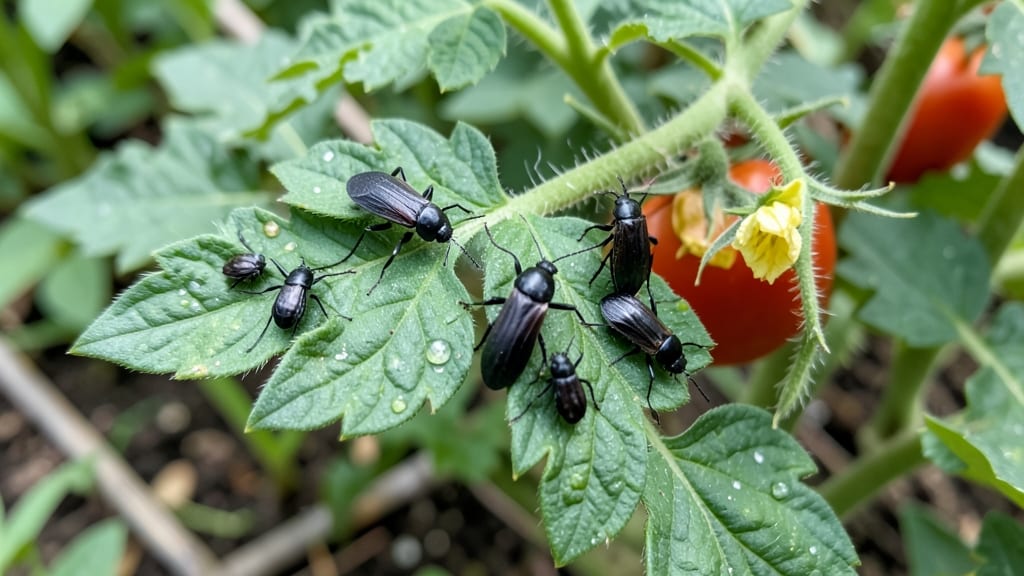
Black insects on tomato plants mean your harvest is under attack—often before you even notice. 🌱 I’ve lost entire plants to these silent destroyers, but I’ve also learned how to spot them early and stop their damage in its tracks.
The key is identifying the culprit first: hornworms, stink bugs, or fungal gnats each demand a different approach.
Hornworms are the sneakiest—striped green caterpillars that devour leaves overnight, leaving only stems. Stink bugs hide under foliage, piercing fruit to suck out juices, while fungal gnats swarm around damp soil, stunting young plants. The damage looks different for each, and so does the fix.
You’ll learn to spot these pests within minutes of inspecting your plants, then eliminate them using targeted methods—from handpicking to organic sprays that work faster than you’d expect. No more guessing games or wasted treatments.
Whether you’re dealing with a single plant or your whole garden, these solutions scale easily. Let’s get your tomatoes back on track before the season slips away.
Root Causes of Tiny Black Invaders
When you spot tiny black insects crawling on your tomato plants, it’s rarely a random event—it’s usually a sign that your garden is offering them an all-you-can-eat buffet. Understanding the why behind these uninvited guests is the first step to kicking them out for good.
Below, we break down the most common reasons these pests show up, backed by science and actionable insights.
Tomato plants under stress—whether from poor spacing, nutrient deficiencies, or overwatering—become prime real estate for black insects like aphids, fungus gnats, or even tiny black beetles. Here’s why:
- Weakened defenses: Stressed plants produce fewer natural repellents (like volatile organic compounds) that deter pests. Think of it like a person with low energy—easier target for opportunists.
- Moisture buildup: Overwatering or poor drainage creates soggy soil, which attracts fungus gnats (those tiny black flies). Their larvae thrive in damp, organic-rich soil, munching on roots.
- Crowded foliage: Plants growing too close together trap humidity and block airflow, creating a cozy microclimate for pests. Aphids, for example, love clustering on tender new growth where they’re shielded from predators.
💡 Pro Tip: Space tomato plants 18–24 inches apart and prune lower leaves to improve airflow. If your soil stays soggy, amend it with perlite or compost to balance moisture.
Many black insects you see on tomato plants start their lives underground as larvae. Fungus gnats, black vine weevils, and even some beetle species lay eggs in moist, organic soil, and their offspring emerge when conditions are perfect:
- Rich, undisturbed soil: Compost-heavy or freshly amended soil is a larva’s dream—it’s packed with microbes and decaying matter they can feast on. Black vine weevil larvae, for instance, chew on roots for months before pupating.
- Warmth triggers hatching: Soil temperatures above 60°F (15°C) signal larvae to surface, especially in spring or after compost is added. That’s why you might see a sudden influx of tiny black flies or beetles.
- Lack of predators: Healthy soil teems with beneficial nematodes, ground beetles, and fungi that naturally control larvae. But if your soil is disturbed (e.g., by tilling) or lacks biodiversity, these pests thrive unchecked.
🔥 Action Step: Let soil dry slightly between waterings and top-dress with sand or coconut coir to deter egg-laying. Introduce beneficial nematodes (Phasmarhabditis hermaphrodita) to target larvae.
Tomato plants aren’t just food—they’re five-star hotels for black insects. Here’s what makes them so irresistible:
| Plant Feature | Why Pests Love It | Pests Drawn To It |
|---|---|---|
| Sap-rich new growth | Aphids and whiteflies inject saliva to suck sap, stunting plants. The sticky honeydew they produce also attracts sooty mold. | 🐜 Aphids, whiteflies |
| Fruiting branches | Black vine weevils and tomato hornworm larvae target fruit and stems, while fungus gnats are drawn to overripe or damaged tomatoes. | 🪲 Black vine weevils, hornworms |
| Undersides of leaves | Thrips and spider mites hide here, protected from predators and weather, while aphids cluster to feed on phloem. | 🕷️ Thrips, spider mites, aphids |
| Damaged or wilted leaves | Weakened tissue is easier to penetrate, and pests like leafminers or beetles lay eggs in injured spots. | 🐞 Leafminers, beetles |
🎯 Prevention Tip: Remove yellowed or damaged leaves immediately and avoid over-fertilizing with nitrogen (which promotes soft, sap-heavy growth). Use reflective mulch to disorient pests like aphids.
While companion planting can reduce pests, the wrong pairings can attract them. Black insects often thrive when tomato plants are near:
- Basil (in excess): While basil repels some pests, overplanting it can create a humid microclimate that fungus gnats adore.
- Corn or beans nearby: These crops can harbor stink bugs or aphids, which then migrate to tomatoes.
- Lack of repellent herbs: Plants like marigolds, garlic, or nasturtiums deter pests. Without them, black insects have free rein.
✨ Solution: Interplant tomatoes with basil (sparingly), marigolds, or dill. Avoid planting near potatoes or eggplants, which share pests like Colorado potato beetles.
Banish Black Invaders Naturally
If you’ve spotted tiny black insects feasting on your tomato plants, don’t panic—there are effective, garden-friendly ways to reclaim your harvest. Below, we’ll match the most likely culprits to targeted solutions, so you can act fast and protect your plants without harsh chemicals.
The first step is narrowing down the invader. Here’s how to tackle the most common black pests on tomato plants:
🐛 Hornworms (Black or Green with Stripes)
🔥 Signs: Large, black or green caterpillars with white diagonal stripes, chewed leaves, and frass (poop) everywhere. 🍳 How to Fix It: - Handpick at dawn or dusk when they’re sluggish.
Drop them in soapy water—no mercy for these leaf-munching bullies! - Introduce parasitic wasps (like Cotesia congregata).
These tiny allies lay eggs inside hornworms, turning them into a buffet for birds. - Neem oil spray (1 tsp per quart of water + a drop of dish soap) disrupts their life cycle.
Reapply every 5–7 days. - Plant companion crops like basil, dill, or marigolds to mask tomato scents and confuse them.
💡 Pro Tip: Check the undersides of leaves—hornworms love hiding there like little ninjas.
🐜 Aphids (Tiny Black or Green Clusters)
🔥 Signs: Sticky residue (honeydew), curled leaves, and a swarm of tiny black/green bugs clustered on new growth. 👨🍳 How to Fix It: - Blast them off with a strong stream of water from your hose.
Repeat every few days to break their cycle. - Ladybugs are your allies—attract them with neem oil or companion plants like alyssum or fennel. - Insecticidal soap (1 tbsp mild soap + 1 quart water) smothers them without harming your plants.
Spray early in the morning. - Diatomaceous earth (food-grade only) sprinkled lightly on soil can dehydrate crawling aphids. Reapply after rain.
🌡️ Hot Water Trick: For severe infestations, mix 1 cup rubbing alcohol + 1 tsp dish soap + 1 gallon water in a spray bottle. Target clusters directly.
🪰 Flea Beetles (Tiny Black Jumping Bugs)
🔥 Signs: Tiny black specks that leap when disturbed, plus shot-hole damage on leaves. 🥘 How to Fix It: - Row covers (floating fabric) block adults from laying eggs.
Use them early in the season. - Yellow sticky traps lure and trap them. Hang traps near plants to reduce numbers. - Dust plants with diatomaceous earth—it’s like walking on razor blades for these tiny hoppers. - Interplant with radishes or nasturtiums to distract them from your tomatoes.
✨ Prevention Hack: Mulch heavily with straw to deter adults from jumping onto plants.
🕷️ Spider Mites (Reddish-Black, Tiny, Webbing)
🔥 Signs: Fine webbing on leaves, stippled or yellowing foliage (they suck sap, don’t chew). 🔪 How to Fix It: - Spray with water—they hate humidity!
Use a hose on a gentle setting to knock them off. - Neem oil or horticultural oil (1% concentration) smothers eggs and adults.
Apply at dusk to avoid burning leaves. - Release predatory mites (Phytoseiulus persimilis)—these microscopic hunters devour spider mites like pizza. - Avoid over-fertilizing with nitrogen, which attracts mites.
🎯 Early Detection: Check the undersides of leaves with a magnifying glass—mites thrive in hidden spots.
Once you’ve evicted the pests, keep them from crashing the party again:
- 🌱 Rotate crops—don’t plant tomatoes in the same spot yearly (pests remember!).
- 🌿 Keep your garden diverse—interplant with basil, garlic, onions, or marigolds to confuse pests.
- 🌧️ Water at the base—wet foliage encourages fungal diseases and attracts soft-bodied pests.
- 🕵️ Inspect new plants before bringing them home (quarantine for a week if possible).
- 🌙 Encourage natural predators—birds, lacewings, and ground beetles love a buffet of garden pests.
🚨 Emergency Move: If your plants are severely damaged, consider pruning affected leaves (sterilize shears with rubbing alcohol) or replacing young plants if the infestation is overwhelming.
Frequently asked questions
What are the most common black insects attacking my tomato plants?
The most likely culprits are hornworms (large striped caterpillars), aphids (tiny clusters on new growth), flea beetles (jumping black specks), or fungus gnats (tiny black flies around soil). Check leaf undersides and soil for clues.
How do I tell if my tomato plants have fungus gnats vs. aphids?
Fungus gnats are tiny black flies hovering near soil or damp areas, while aphids are stationary clusters on leaves that leave sticky honeydew. Gnats love moisture—aphids prefer tender new growth. Shake plants over a white sheet to spot differences.
Will neem oil work on all black tomato pests?
Neem oil is effective against aphids, spider mites, and hornworms but won't kill flea beetles or fungus gnat larvae. For beetles, use diatomaceous earth, and for gnats, target soil with beneficial nematodes. Always apply at dusk to avoid leaf burn.
Can I use chemical pesticides safely on tomato plants?
Only use organic-approved pesticides like pyrethrin (derived from chrysanthemums) or kaolin clay—avoid synthetic chemicals during fruiting. Always follow label instructions and harvest tomatoes at least 3 days after application to prevent residue.
Why do I keep getting black insects even after treating my plants?
Pests often return due to undisturbed eggs or larvae in soil, new infestations from neighbors' gardens, or stressed plants attracting repeat visitors. Rotate treatments, improve airflow, and inspect plants weekly—especially after rain or watering.