
Plants
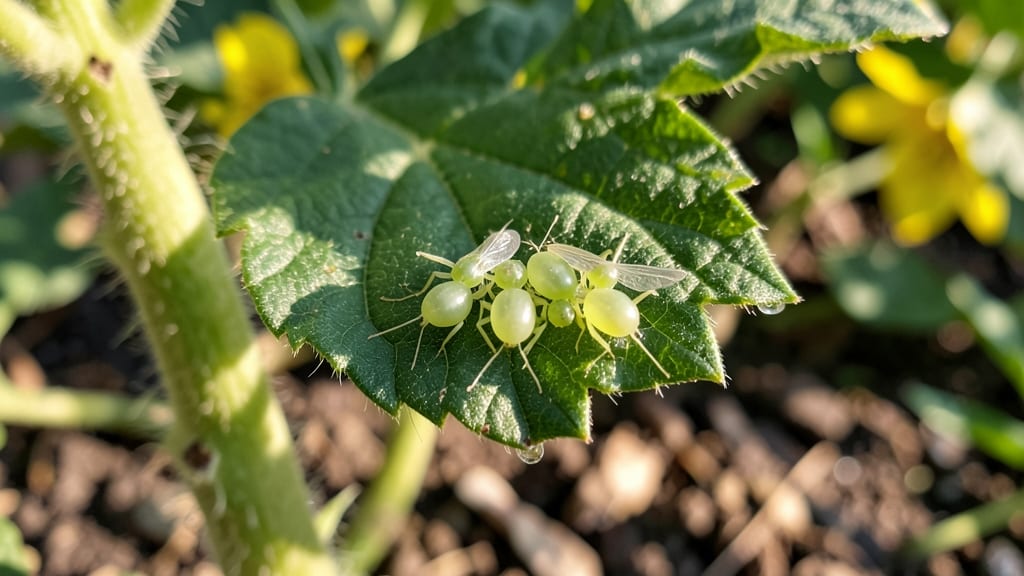
Those tiny green bugs on your tomato plants could wipe out your harvest if you don’t act fast. 🌱 I’ve watched aphid colonies turn lush plants into sticky, curled messes in just days—until I learned these three organic fixes that work within hours.
The key is catching them early, when the damage is still reversible. Most gardeners miss the first signs: yellowing leaves, sticky residue (that’s honeydew), and ants trailing up the stems.
These bugs multiply faster than you can say “tomato sauce,” but a strong spray of soapy water or neem oil can stop them in their tracks. I’ve saved entire plants using just these two ingredients—no harsh chemicals needed.
By tomorrow, your plants should look refreshed, and the bugs will be gone for good. The secret is consistency: check your plants every morning, and you’ll catch new infestations before they take hold. Your tomatoes will keep growing strong, and you’ll avoid the heartbreak of a wasted season.
This method works for any garden—container, raised bed, or in-ground—so you don’t need fancy tools or years of experience. Just grab a spray bottle and get to work!
Root Causes Of Tiny Green Invaders
When you spot tiny green bugs swarming your tomato plants, it’s rarely a random event—these pests thrive because of specific conditions you can identify and address. Understanding the why behind their presence is the first step to kicking them off your plants for good.
Let’s break down the most common culprits and what triggers their arrival.
Tomato plants under stress—whether from poor spacing, nutrient deficiencies, or weak roots—emit volatile organic compounds (VOCs) that attract pests like aphids, whiteflies, or spider mites. These bugs love feasting on tender, nutrient-rich foliage when plants are struggling to defend themselves.
Why it happens:
- Competition for resources: Overcrowded plants compete for sunlight, water, and nutrients, weakening their immune response. Pests detect this vulnerability and move in.
- Nutrient imbalances: Too much nitrogen (lush green growth) or deficiencies (yellowing leaves) make plants more appealing to sap-sucking insects.
- Physical damage: Pruning wounds or harsh handling can create entry points for pests, especially in humid conditions.
💡 Pro Tip: Space tomato plants 18–24 inches apart and prune regularly to improve airflow. A balanced fertilizer (like 5-5-5) strengthens plant resilience.
Green bugs—especially aphids, thrips, and fungus gnats—flock to tomato plants when temperatures hover between 70–85°F (21–29°C) and humidity stays high. These conditions slow down natural predators (like ladybugs) and speed up pest reproduction.
Why it happens:
- Faster reproduction: Many pests complete their life cycles in 7–10 days in warm, humid air, leading to explosive infestations.
- Slower predator activity: Beneficial insects (e.g., lacewings) become less active in heat, giving pests an advantage.
- Fungal growth: High humidity encourages mold and mildew, which some bugs (like whiteflies) use as food or shelter.
🌡️ Actionable Fix: Use shade cloth in peak afternoon sun and avoid overhead watering. A small fan (🔥 yes, really!) near plants can disrupt pest landing patterns.
Debris, old plant matter, and weeds create hiding spots and breeding grounds for pests. Many green bugs overwinter in garden litter or nearby weeds, then migrate to tomato plants when they sense fresh growth.
Why it happens:
- Larval havens: Eggs laid in soil or mulch hatch into nymphs that climb onto tomato plants as they mature.
- Weed hosts: Some pests (like hornworms) feed on weeds before moving to tomatoes, acting as a "stepping stone" for infestations.
- Organic buildup: Decaying plant material attracts fungus gnats and shore flies, which then target healthy plants.
🧹 Cleanup Checklist:
- Remove weeds within a 3-foot radius of tomato plants.
- Clear fallen leaves and prunings from the base of plants.
- Use straw or clean mulch (not grass clippings) to deter soil-dwelling pests.
Soil with excessive salts, synthetic fertilizers, or pH extremes can weaken tomato plants, making them more susceptible to pest attacks. Some bugs are also drawn to the chemical signatures of stressed soil.
Why it happens:
- Salt buildup: Over-fertilization (especially with synthetic salts) disrupts root function, signaling pests that the plant is "easy prey."
- pH swings: Soil pH below 6.0 or above 7.0 can stunt growth, making plants more attractive to sap-suckers like aphids.
- Microbe disruption:** Harsh chemicals kill beneficial soil microbes, reducing the plant’s natural pest resistance.
🔬 Soil Test Tip: Use a DIY soil test kit (or send a sample to a local extension office) to check pH and salinity. Amend with compost or sulfur to restore balance.
Once you’ve pinpointed the root cause, you can target your organic defense strategy—whether it’s introducing predators, adjusting care routines, or tweaking the environment. Stay tuned for our next section on natural remedies to evict these green intruders without toxic sprays!
Quick Fixes for Garden Pests
Now that you know the culprits behind those pesky green bugs on tomato plants, it’s time to take action—before they turn your harvest into a buffet! The good news? Most solutions are organic, budget-friendly, and easy to implement without harsh chemicals.
Below, we’ll break down the best fixes for each common pest, plus prevention tips to keep your tomato plants thriving.
Aphids cluster on new growth, leaving sticky residue (honeydew) and stunted plants. Here’s how to evict them fast:
🔥 Immediate Removal (Manual Control)
- 👨🍳 Spray with soapy water: Mix 1 tsp mild dish soap + 1 quart water in a spray bottle. Directly hit aphid clusters (they’ll drop off).
Reapply every 2–3 days until gone. - 🌿 Blasts of water: Use a hose nozzle to dislodge aphids from stems and leaves. Do this early morning to avoid shocking plants.
🌱 Long-Term Prevention
- 💡 Introduce predator insects: Ladybugs, lacewings, and parasitic wasps love aphids. Buy them online or attract them with dill, fennel, or marigolds nearby.
- 🌡️ Neem oil spray: Mix 1 tbsp neem oil + 1 tsp soap + 1 quart water.
Spray every 5–7 days to deter future infestations. - ✨ Companion planting: Basil, garlic, or chives repel aphids—plant them around your tomatoes.
These greenish-white bugs flutter when disturbed and weaken plants with their sticky droppings. Smother them before they multiply!
🔪 Physical Traps (No Chemicals Needed)
- 🍳 Yellow sticky traps: Hang yellow cards coated with petroleum jelly near plants.
Whiteflies are drawn to yellow and get trapped. - 🥘 Yellow plastic bags: Cut the bottom off a yellow plastic bag, fill it with water + a drop of soap, and hang it upside-down. Bugs drown instantly.
🌿 Organic Sprays for Heavy Infestations
- 🌿 Kaolin clay spray: Mix 2 tbsp kaolin clay + 1 gallon water. Spray every 7–10 days—it coats bugs, blocking sunlight and suffocating them.
- 💦 Horticultural oil: Apply early morning or late evening (avoid direct sun).
Reapply weekly until whiteflies disappear.
🎯 Prevention Tips
- 🌡️ Monitor undersides of leaves: Check daily for early signs (tiny white specks).
- 🌱 Avoid over-fertilizing: Too much nitrogen attracts whiteflies. Use balanced fertilizer (10-10-10).
- ✨ Reflective mulch: Use silver or aluminum mulch around plants—whiteflies hate shiny surfaces.
These green caterpillars with white stripes can devour a tomato plant overnight. Act fast!
🔪 Handpick & Destroy
- 👨🍳 Check leaves daily: Look for black droppings (frass) and chewed leaves. Pick off worms by hand and drop them in soapy water.
- 🥘 Nighttime raids: Hornworms are most active at dusk—inspect then for easier removal.
🌿 Natural Predators
- 💡 Encourage wasps: Braconid wasps lay eggs in hornworms, killing them. Don’t swat them!
- 🌱 Plant parsley or dill: Attracts parasitic wasps that hunt hornworms.
🎯 Prevention
- 🌡️ Row covers: Use floating row covers early in the season to block moths (hornworm parents).
- 🌱 Interplant with basil: Hornworms avoid basil—plant it near tomatoes.
No matter the bug, these proactive steps keep your tomato plants healthy:
- 💡 Crop rotation: Don’t plant tomatoes in the same spot yearly—pests build up in the soil.
- 🌿 Healthy soil = strong plants: Use compost and worm castings to boost plant resilience.
- 🌡️ Water at the base: Avoid wet foliage (fungus gnats and aphids love moisture).
- ✨ Regular pruning: Remove yellow/damaged leaves—pests hide there!
🚀 Pro Tip: If pests return, rotate your methods—bugs develop resistance to single treatments. Combine manual removal, sprays, and predator insects for the best results!
Now grab your gloves and save that harvest—your future tomato sandwiches (or sauces!) will thank you. 🍅🔥
Frequently asked questions
What are those tiny green bugs on my tomato plants?
Those are most likely aphids, thrips, or fungus gnats. Aphids appear as small green clusters on new growth, thrips are tiny and leave silver streaks on leaves, while fungus gnats are small flies that hover near soil. All three thrive in warm, humid conditions and can quickly multiply if left untreated.
Are green bugs harmful to my tomato plants?
Yes, they can be devastating! These pests suck plant sap, causing yellowing leaves, stunted growth, and sticky honeydew residue. Worse, they spread plant diseases. Left unchecked, they’ll weaken your plants so much that fruit production drops dramatically or stops entirely.
How quickly can I expect to see results with organic treatments?
Most organic solutions like soapy water or neem oil show visible improvement within 24–48 hours if applied correctly. For severe infestations, combine methods: spray plants in the morning, introduce predator insects, and remove debris. Consistent daily checks yield the fastest results.
Will my tomatoes still be safe to eat if I treat the bugs?
Yes! Organic treatments like soapy water, neem oil, and manual removal are completely safe for your harvest. Just avoid using chemical pesticides within 2 weeks of picking to ensure residue-free tomatoes. Always wash produce thoroughly before eating.
What’s the best time of day to treat green bugs?
Early morning (before 9 AM) is ideal because pests are most active and plants aren’t stressed by heat. Avoid treating during peak sun hours—sprays can burn leaves. If using water blasts, do it in the evening when plants have time to recover overnight.