
Pests
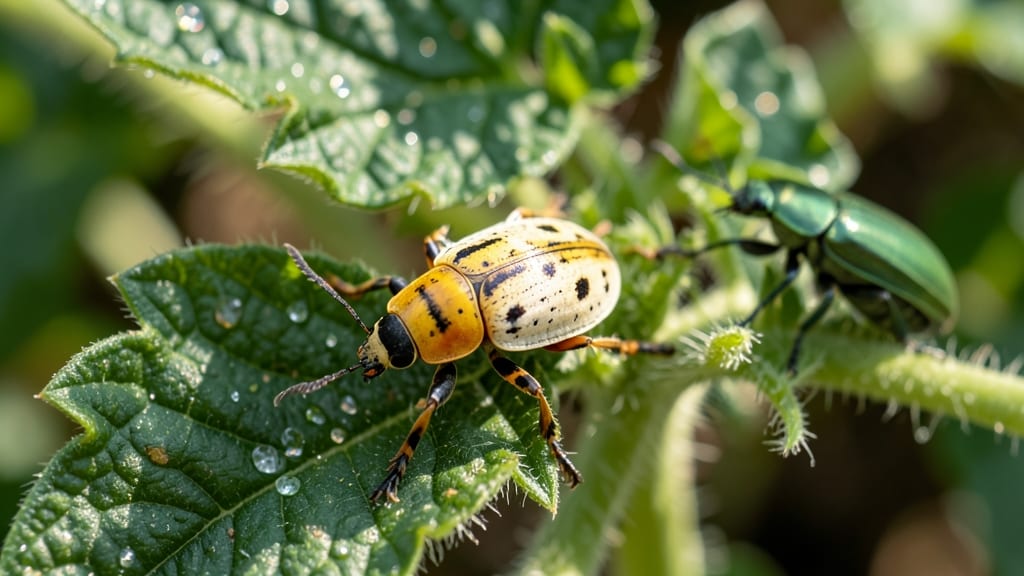
Those tiny beetles on the tomato plants aren't just annoying—they're stealing your harvest before it starts. 🌱 I've battled Colorado potato beetles and flea beetles in my garden, and I've found the fastest way to stop them without harsh chemicals.
The key is acting within 24 hours of spotting them, when the damage is still minor and the plants can bounce back. Most gardeners grab the nearest pesticide, but that disrupts your garden's natural balance.
Instead, I use a foolproof mix of neem oil and water that smothers beetles on contact while keeping your plants healthy. You'll see them drop off within hours, and new growth emerges faster than you'd expect. The secret is timing—apply it in the evening when bees aren't active.
By morning, you'll notice fewer chewed leaves and more vibrant green foliage. The spray works on both adult beetles and larvae, so you're stopping the whole life cycle. Plus, it's safe to use right up until harvest day, unlike many chemical options.
This method works for backyard gardens, containers, and even raised beds. The same approach keeps beetles off peppers and eggplants too. Let's get those tomatoes thriving again!
Root Causes of Tomato Plant Beetle Infestations
If you’ve spotted beetles feasting on your tomato plants, you’re not alone—these pests are drawn to ripe, juicy tomatoes like a magnet. But why do they suddenly appear when you least expect them?
Understanding the root causes helps you take targeted action to protect your garden. Below, we break down the key reasons beetles invade tomato plants, from environmental triggers to plant vulnerabilities.
Beetles, especially hornworms and colorado potato beetles, are drawn to tomatoes that are soft, overripe, or physically damaged. Here’s why:
- Sugar content spikes: As tomatoes ripen, their sugar levels increase, making them irresistible to beetles. A single bite can trigger a feeding frenzy.
- Open wounds = easy access: Cracked skin from hail, wind, or poor pollination exposes the flesh, signaling beetles that the fruit is "easy prey."
- Fermentation signals decay: Bruised or rotting tomatoes emit volatile organic compounds (VOCs) that mimic spoiled fruit—beetles’ favorite snack.
Actionable fix: Harvest tomatoes promptly when they reach peak ripeness (usually when they’re just starting to turn red). Remove any damaged fruit immediately to deny beetles a buffet.
Beetles thrive in gardens where debris, weeds, and old plant matter accumulate. Here’s how clutter becomes a beetle hotel:
- Shelter in leaf litter: Fallen leaves, stems, and mulch provide hiding spots for beetle larvae and adults during the day, allowing them to strike at dawn or dusk.
- Weeds host alternative food: Plants like nightshade or wild tomatoes act as "beetle magnets," giving them a backup food source when your tomatoes aren’t ready.
- Moisture traps pests: Overly wet soil or dense mulch creates ideal conditions for beetle eggs to hatch and larvae to survive.
Actionable fix: Clear garden beds of fallen leaves, weeds, and plant debris weekly. Use straw mulch (instead of thick layers of wood chips) to allow airflow and deter moisture-loving pests.
Temperature plays a huge role in beetle behavior. Most tomato-loving beetles are cold-blooded, meaning they become more active as temperatures rise:
- Spring/summer heat = faster reproduction: Warmth (above 70°F) triggers beetles to lay eggs daily, leading to exponential population growth in weeks.
- Longer daylight hours = more feeding time: Beetles are most active during peak sunlight (10 AM–4 PM), when they hunt for tender tomato leaves and fruit.
- Heat stress weakens plants: Drought or extreme heat causes tomato plants to produce less defensive compounds, making them easier targets.
Actionable fix:
- 💡 Water deeply in the morning to cool plants and deter beetles (they avoid soggy leaves).
- 🌡️ Use lightweight row covers during heatwaves to protect young plants until they’re established.
In a balanced ecosystem, birds, ladybugs, and parasitic wasps keep beetle populations in check. But if these predators are missing, beetles multiply unchecked:
- Pesticide overuse kills helpers: Broad-spectrum sprays (like neonicotinoids) wipe out beneficial insects alongside pests, leaving beetles as the sole survivors.
- Monoculture gardens lack biodiversity: Planting only tomatoes removes the variety that attracts predator species (e.g., dill, fennel, or marigolds).
- Urban/suburban gardens have fewer predators: Birds and insects avoid highly manicured or chemically treated lawns, giving beetles free rein.
Actionable fix: Introduce predator-friendly plants like basil, borage, or alyssum near your tomatoes. Avoid systemic pesticides and opt for targeted sprays (like neem oil) that harm beetles but spare predators.
By addressing these core triggers—ripe fruit, garden clutter, heat, and predator loss—you’ll disrupt beetles’ life cycle and protect your tomato harvest naturally. The next step? Learn how to make a fast-acting, beetle-repelling spray in under 24 hours.
Quick Fixes for Tomato Plant Invaders
Discovering beetles munching on your tomato plants can feel like a gardening nightmare—but don’t panic! With the right approach, you can evict these pests fast and protect your harvest. Below, we’ve mapped out practical, step-by-step solutions tailored to the most common beetle culprits, from Colorado potato beetles to flea beetles.
Plus, we’ll share prevention tips to keep your tomatoes thriving long-term.
These striped invaders are voracious and can devour entire plants in days. Here’s how to stop them:
🍳 Handpick & Drown (Best for Small Infestations)
- 🕵️♂️ Step 1: Scout your plants early in the morning when beetles are sluggish.
- 👨🍳 Step 2: Pluck adults and larvae (tiny orange grubs) into a bucket of soapy water.
- ⏰ Time: 10–15 minutes daily for 3–5 days to break the cycle.
- 💡 Pro Tip: Wear gloves—these beetles release caniculin, a chemical that can irritate skin!
🥘 Neem Oil Spray (Organic & Effective)
- 🌿 Mix: 1 tbsp neem oil + 1 tsp mild dish soap + 1 quart water.
- 💦 Spray: Coat both leaves and soil (larvae hide underground).
- ⏰ Frequency: Reapply every 5–7 days until beetles vanish.
- ✨ Bonus: Neem also deters other pests like aphids.
🔪 Row Covers (Prevent Future Attacks)
- 🛡️ Install: Lightweight fabric over seedlings or young plants.
- 🌱 Timing: Keep covers on until flowers appear (beetles target foliage, not fruit).
- 💡 Warning: Remove covers during pollination to avoid reducing tomato yield.
These jumping black beetles create lace-like holes in leaves. Here’s how to outsmart them:
👨🍳 Yellow Sticky Traps (Lure & Trap)
- 🎯 Setup: Hang yellow cards coated with petroleum jelly or sticky traps near plants.
- 🕷️ Why It Works: Flea beetles are attracted to yellow and get stuck.
- ⏰ Maintenance: Replace traps weekly for best results.
🌡️ Row Covers or Collars (Physical Barrier)
- 🛡️ For Seedlings: Use collars (cardboard tubes buried around stems).
- 🌱 For Mature Plants: Lightweight row covers (remove during pollination).
- 💡 Pro Tip: Combine with reflective mulch (aluminum foil) to disorient beetles.
🥘 DIY Spray: Diatomaceous Earth + Water
- 💧 Mix: 1 cup food-grade diatomaceous earth + 1 gallon water + 1 tsp soap.
- 💦 Spray: Focus on undersides of leaves where beetles hide.
- ⚠️ Caution: Reapply after rain—it loses potency when wet.
Though technically moth larvae, hornworms resemble beetle damage and can strip plants overnight. Act fast:
🕵️♀️ Manual Removal (Most Effective)
- 🐛 Hunt: Look for green caterpillars with white stripes and black "horns."
- 👨🍳 Drop: Toss them into soapy water or relocate them far from your garden.
- 💡 Fun Fact: Hornworms have parasitic wasps—if you see white cocoons on them, leave them be!
🌿 Bacillus Thuringiensis (BT) Spray
- 💊 Apply: Mix BT powder with water and spray evenly on leaves.
- 🛡️ Why It Works: BT is harmful only to caterpillars, safe for humans and beneficial insects.
- ⏰ Timing: Best used at dusk to avoid harming bees.
🎯 Encourage Predators (Long-Term Fix)
- 🐝 Attract: Ladybugs, lacewings, and parasitic wasps love hornworms.
- 🌱 How: Plant dill, fennel, or marigolds nearby to draw them in.
An ounce of prevention is worth a pound of cure! Use these low-effort strategies to protect your tomatoes:
- 🌿 Crop Rotation: Avoid planting tomatoes (or potatoes) in the same spot yearly—beetles overwinter in soil.
- 🌱 Healthy Soil = Strong Plants: Amend soil with compost to boost plant resilience.
- 🌞 Early Planting: Start seeds indoors and transplant after the last frost to outpace beetle emergence.
- 🌿 Companion Planting: Interplant with basil, onions, or garlic—their scents repel beetles.
- 🌱 Trap Crops: Plant mustard greens or radishes nearby to distract beetles from tomatoes.
With these targeted solutions, you’ll reclaim your tomato plants in no time! Remember: consistency is key—check daily for new pests and act fast. Happy gardening! 🍅🚀
Frequently asked questions
What types of beetles most commonly attack tomato plants?
The most troublesome beetles on tomato plants are Colorado potato beetles (striped yellow/orange), flea beetles (tiny black jumping beetles), and hornworms (green caterpillars with black "horns"). Each causes distinct damage—Colorado beetles chew leaves, flea beetles create lace-like holes, and hornworms devour entire plants overnight.
Can I use neem oil if I have bees pollinating my tomatoes?
Yes, but apply neem oil in the evening when bees aren't active. Neem is safe for bees once dry, but avoid spraying when flowers are open. For extra protection, use a lightweight row cover during the day and remove it in the morning for pollination.
How do I know if beetle damage is too severe to save my plants?
If more than 50% of leaves are skeletonized (just veins remain) or if beetles have eaten through the main stem, the plant may not recover. For less severe damage, prune affected areas, apply neem oil, and monitor daily. Young plants often bounce back faster than mature ones.
Will diatomaceous earth work in rainy weather?
No, diatomaceous earth loses effectiveness when wet. It needs to stay dry to pierce beetle exoskeletons. Reapply after rain or use it as a dry barrier around plant bases. For rainy conditions, neem oil or kaolin clay sprays work better.
Are there any beetles that actually help tomato plants?
Ladybugs, lacewings, and parasitic wasps prey on tomato pests like flea beetles and hornworms. To attract them, plant dill, fennel, or marigolds nearby. Avoid broad-spectrum pesticides that kill these natural allies.