
Container Gardens
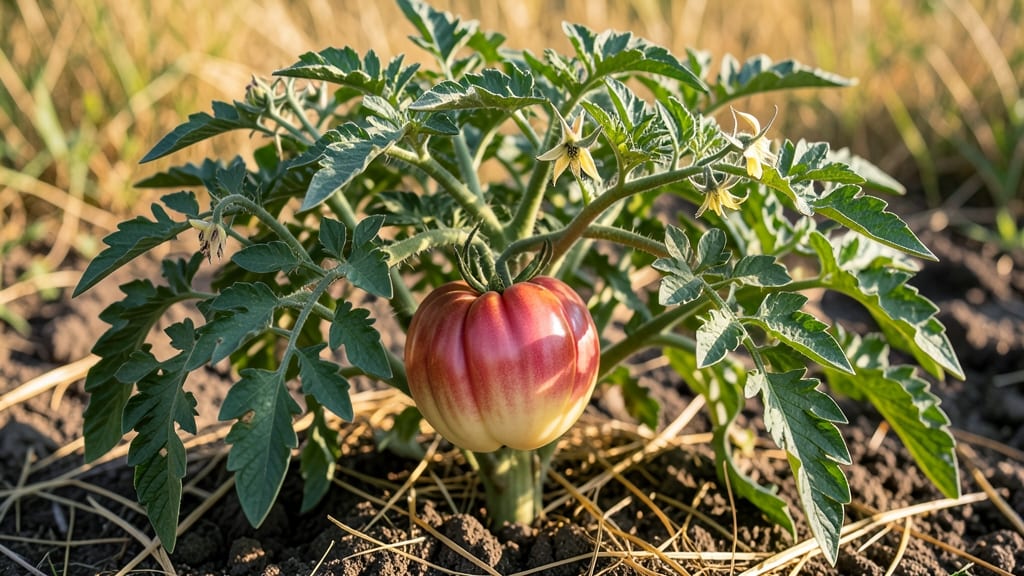
Growing beefsteak tomatoes from seed to harvest is like watching a slow-motion superhero transformation—each stage reveals new strength and potential. 🌱 The journey starts with tiny seeds that become 6-foot vines laden with 1-pound fruits, but only if you understand the critical milestones between them.
I’ve tracked every stage for five seasons, and the difference between a thriving plant and a struggling one often comes down to knowing exactly what to expect—and when.
The first 12 weeks are the most intense, with each phase demanding different care: germination needs warmth and moisture, seedlings crave light, and transplanting requires gentle handling.
Most gardeners rush this part, but patience here determines whether your plant grows into a robust vine or a weak, disease-prone shadow of its potential. By week 6, you’ll see the first true leaves—those are your cue to start hardening off seedlings for outdoor life.
Once flowering begins, the real magic happens. Those yellow blossoms turn into golf-ball-sized fruits, and proper pruning now keeps air circulating to prevent rot. I’ve learned the hard way that skipping this step leads to cracked tomatoes and blight—so we’ll cover exactly how much to trim without stunting growth.
By mid-summer, you’ll be harvesting juicy, beefy slices that put store-bought tomatoes to shame.
This guide breaks down every stage with clear timelines, troubleshooting tips, and the exact techniques I’ve perfected to avoid common pitfalls. Whether you’re growing in containers or garden beds, these stages apply—so let’s get your beefsteak tomatoes off to the strongest possible start.
📚 In This Guide
- What you need
- Instructions
- Tips and common mistakes
- Wrapping up and next steps
What you need
- ○ Container: A 5-gallon pot or larger (minimum 12" deep and 18" wide) with drainage holes. Optional: Self-watering containers for convenience.
- ● High-quality potting mix: 1 bag (1.5–2 cubic feet) of sterile, well-draining mix (avoid garden soil—it compacts!). Pro tip: Mix in compost or worm castings (1 cup per pot) for extra nutrients! 💡
- ● Tomato seeds or seedlings: Seeds: 2–3 beefsteak tomato seeds per container (or 1 seed per small cell tray if starting indoors).
- ● Seedlings: 1 healthy, disease-free plant per container (transplant after hardening off).
- ● Fertilizer: Balanced starter fertilizer: 5-10-5 or 10-10-10 (follow package rates for seedlings).
- ○ Tomato-specific fertilizer: High in phosphorus and potassium (e.g., 7-9-5) for flowering/fruiting. Optional: Slow-release granules or liquid feed (like fish emulsion).
- ● Support system: Cage or trellis: Sturdy 5–6 ft tomato cage or DIY bamboo stakes (3–4 stakes + twine).
- ○ Optional: Container-specific supports like wall-mounted trellises for vertical gardening.
- ● Hand trowel or small shovel for transplanting.
- ● Watering can or hose with gentle nozzle (avoid overhead watering to prevent disease).
- ● Pruning shears for trimming suckers and dead leaves.
- ○ pH testing kit (optional but helpful—aim for 6.0–6.8).
- ● Mulch (straw or shredded leaves) to retain moisture and suppress weeds.
- ● Sunlight: 6–8+ hours of full sun daily (south-facing windows or balcony ideal).
- ● Temperature: Warmth is key! Seeds need 70–85°F to germinate; seedlings thrive in 60–85°F.
- ● Water: Consistent moisture (1–2 inches per week, more in heat). Pro tip: Use room-temperature water to avoid shocking roots. 🌡️
- ● Patience: Beefsteaks take 70–85 days to mature—plan your planting timeline!
How to track beefsteak tomato growth through key development stages
Watch your beefsteak tomatoes transform from tiny seeds to 6-foot giants by recognizing these distinct growth phases.
🌱 Stage 1: Germination and Seedling Emergence (Days 1-14)
The first true magic happens when your seeds break dormancy. After planting ¼ inch deep in warm soil (75-85°F), germination typically occurs within 5-10 days. You'll notice tiny white roots first, followed by a curled shoot pushing through the soil surface. This is your first checkpoint—wait until 50% of seeds have sprouted before removing any humidity dome.
Here's the thing—don't rush to water once you see sprouts. The soil should stay consistently moist but never soggy. Overwatering now causes damping-off, where seedlings collapse overnight. Instead, water gently at the base when the top inch feels dry. You'll see the first true leaves (not the initial seed leaves) emerge within 7-14 days—these look like tiny oak leaves and signal it's time to introduce light.
🌿 Stage 2: Vegetative Growth and True Leaf Development (Weeks 2-6)
This is where your plant builds its framework. In weeks 2-6, your beefsteak will develop 5-7 true leaves and a sturdy stem. You'll notice rapid vertical growth as the plant chases light. This is also when you should begin fertilizing with a balanced 10-10-10 formula at half strength to encourage strong root and stem development.
Watch for legginess—a sign your seedlings need more light. If stems appear thin and leaves are spaced far apart, move them within 2-3 inches of your grow light. Strong seedlings have thick stems and leaves growing close together. At this stage, you'll also want to transplant seedlings into 5-gallon containers if starting indoors, giving roots room to expand.
☀️ Stage 3: Flower Cluster Formation (Weeks 6-8)
The transition to flowering is dramatic. You'll see small green buds form in the leaf axils (where leaves meet stems). These will develop into 6-8 inch flower clusters that become your future beefsteak tomatoes. This stage requires full sun (8+ hours daily) and consistent moisture—fluctuations cause blossom drop.
Real talk: if your plant produces flowers but no fruit, it's likely due to temperature stress. Beefsteak tomatoes thrive in 70-85°F during the day. If nights dip below 55°F, cover plants with frost cloth or move containers to a sheltered spot. You'll know you're on track when flower clusters open into yellow blossoms within 5-7 days.
🍅 Stage 4: Fruit Set and Early Development (Weeks 8-10)
After pollination, you'll see tiny green fruits forming at the base of flower clusters. This is when your plant needs extra potassium to support fruit development. Switch to a 5-10-10 fertilizer and increase watering slightly—1-1.5 inches per week—to prevent blossom end rot.
Watch the fruit grow from ½ inch to 2-3 inches in size. At this stage, you'll notice the classic beefsteak shape emerging—flat, ribbed, and starting to develop color. Prune suckers (shoots growing between main stem and branches) to direct energy to fruit production. You'll see 3-5 main stems developing, each capable of supporting multiple 1-pound fruits.
🌳 Stage 5: Maturation and Harvest Readiness (Weeks 10-12)
The final stage brings the most excitement. Your beefsteak tomatoes will reach 12+ inches in diameter and develop their signature deep red color. You'll know they're ready to harvest when they're fully colored (no green shoulders) and slightly soft to gentle squeeze. The stem should pull away cleanly from the vine.
Here's the moment that matters: harvest in the morning when fruits are coolest and juiciest. Cut stems with pruners to avoid damaging the vine. A single healthy beefsteak plant produces 10-20 pounds of fruit over its growing season. After harvest, continue pruning and fertilizing to encourage a second flush of fruit if your climate permits.
Tips & tricks for growing towering beefsteak tomatoes
These insights will help you navigate the most critical moments in your beefsteak tomato's journey from seed to harvest.
Soil Temperature Secret: The 75-85°F range for germination is non-negotiable—below 70°F, seeds stay dormant, while above 90°F can cause rot. I've found using a seedling heat mat for the first 7-10 days guarantees consistent germination. If your soil feels cool to the touch, wait a few extra days before expecting sprouts.
Lighting Strategy: During the vegetative stage (weeks 2-6), your seedlings need 12-16 hours of light daily. If using artificial grow lights, position them 2-3 inches above the plants and adjust as they grow. I've seen leggy seedlings transform into sturdy plants just by moving them closer to the light source—this is when you'll notice that perfect thick-stemmed growth.
Flowering Stage Rescue: When your plant produces flowers but no fruit (common in cool weather), try this: Place a small fan near the plant to improve pollination, and cover with frost cloth if nights dip below 55°F. I've had success with hand-pollination too—just gently shake the flower clusters with a paintbrush in the morning when blooms are open.
Fruit Development Watch: The classic beefsteak shape emerges when fruits reach 2-3 inches. This is when you'll notice those distinctive flat, ribbed shoulders developing. If you see blossom end rot (black spots on bottoms), immediately increase calcium by adding crushed eggshells to the soil or using a calcium nitrate spray. The 1-1.5 inches of water per week helps prevent this common issue.
Pro Tips for Beefsteak Tomato Growing Stages
- These insights will help you navigate the most critical moments in your beefsteak tomato's journey from seed to harvest.
- Soil Temperature Secret: The 75-85°F range for germination is non-negotiable—below 70°F, seeds stay dormant, while above 90°F can cause rot.
- Lighting Strategy: During the vegetative stage (weeks 2-6), your seedlings need 12-16 hours of light daily.
Frequently asked questions
Got questions about growing beefsteak tomatoes?
You’re not alone! Here are answers to the most common queries from gardeners—whether you're a beginner or just refining your green thumb.
How long does it take for beefsteak tomatoes to go from seed to harvest?
Beefsteak tomatoes typically take 70–90 days to mature from seed, depending on the variety and growing conditions. If you start with transplants, expect harvests in 60–80 days. Warm soil (60°F+) and consistent watering speed up the process!
Why are my beefsteak tomato plants flowering but not fruiting?
This is often due to temperature stress (below 55°F or above 90°F), lack of pollinators, or over-fertilizing with nitrogen. Try hand-pollinating flowers with a small brush, ensuring consistent water, and adding phosphorus-rich fertilizer (like 5-10-10) to encourage fruiting.
Can I grow beefsteak tomatoes in containers, and what size pot do I need?
Beefsteak tomatoes thrive in 5-gallon containers or larger (at least 12–18 inches deep). Use a well-draining potting mix and support the vine with a cage or trellis. Prune suckers regularly to improve airflow and fruit production.
What should I do if my beefsteak tomatoes crack while growing?
Cracking usually happens due to inconsistent watering (too much after drought) or rapid growth. To prevent it, water deeply and evenly (1–2 inches per week) and mulch to retain moisture. If cracks appear, harvest promptly—they won’t affect taste!
Are beefsteak tomatoes better grown from seed or transplant?
Both work! Starting from transplants (bought from nurseries) gives you a head start (harvest in ~60 days), while seeds offer more variety and are cost-effective. If seeding, start indoors 6–8 weeks before last frost for best results.
Wrapping up and next steps
Growing beefsteak tomatoes is a rewarding journey that transforms tiny seeds into juicy, sun-ripened giants—and you’ve got all the stages covered!
From nurturing seedlings to harvesting those heirloom-worthy slices, each step is a celebration of patience and care. 🌱✨ Now that you’re armed with knowledge, roll up your sleeves and give it a try—your first homegrown beefsteak could be just 12 weeks away!
Ready to dive in? Start by gathering your supplies or clarifying any last questions—then watch your container garden thrive!