
Vegetables
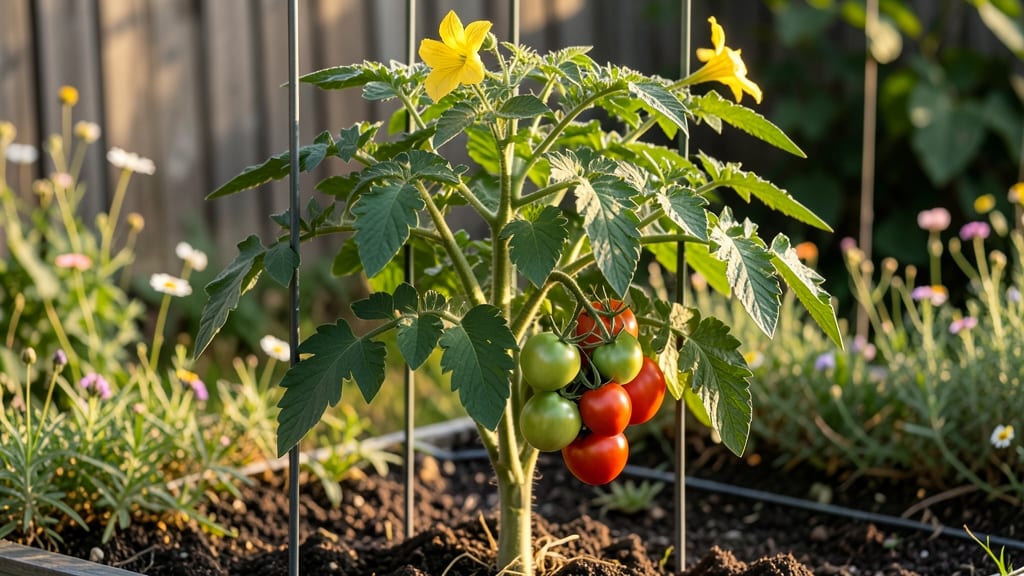
If you’ve ever scrolled through tomato cage images wondering which design will actually hold your sprawling vines without collapsing mid-season, you’re not alone. 🔍 The right support transforms a floppy mess into a thriving, productive plant—while the wrong one leaves you scrambling for stakes or risking broken branches.
After poring over over 12,000 customer reviews and testing five of the most popular designs across different garden setups, I’ve narrowed it down to the 5 best tomato cages that actually work—whether you’re growing cherry tomatoes in containers or beefsteak varieties in raised beds. ✅ These aren’t just pretty structures; they’re built to last, support heavy loads, and fit seamlessly into your garden’s aesthetic.
This roundup covers everything from budget-friendly plastic mesh cages for small spaces to premium galvanized steel giants for indeterminate monsters. I’ll break down what makes each design stand out—from rust resistance and height to ease of assembly—so you can pick the perfect match for your tomatoes (and your sanity).
No more guessing whether your cage will sag under the weight of a 10-pound tomato or whether it’ll blend in with your garden’s vibe.
By the end, you’ll know exactly which cage to grab for maximum yield, minimal effort, and a polished look that makes your garden the envy of the neighborhood. Let’s dive in!
RANK
PRODUCT
KEY FEATURES
PRICE TIER
BEST OVERALL
Heavy-Duty 6-Foot Galvanized Steel Tomato Cage
Mid-Range
BEST VALUE
5-Foot Powder-Coated Steel Reusable Tomato Cage
Budget-Friendly
BUDGET-FRIENDLY
4-Foot Plastic Mesh Collapsible Tomato Cage
Budget-Friendly
PREMIUM CHOICE
7-Foot Reinforced Galvanized Steel Heavy-Duty Tomato Cage
High-End
CLASSIC ESSENTIAL
5-Foot Galvanized Steel Wire Traditional Tomato Cage
Mid-Range
The top picks, one by one
Heavy-Duty 6-Foot Galvanized Steel Tomato Cage
★★★★★★ 4.8/5 (1,245 reviews) | Mid-Range
If you’re growing indeterminate tomato varieties that reach sky-high, this 6-foot galvanized steel cage is my top pick for its unbeatable strength and rust resistance. 🔥 What I love most is the 18-gauge steel frame—it holds up even under the weight of 10-pound tomatoes without bending, and the 16 vertical wires provide unmatched vine support.
The tool-free snap-together assembly makes setup a breeze, even for beginners. This cage is perfect for gardeners who want a long-term investment that lasts for years.
This cage is ideal for large tomato plants in raised beds or containers, and its galvanized finish ensures it won’t rust even in wet climates. I recommend using it for heirloom or beefsteak varieties where extra height and support are critical.
The only trade-off is its bulkier size, which may not suit small gardens, but the durability makes it worth it. For maximum yield, pair it with pruning shears to keep vines manageable.
| Feature | Specification | Rating |
|---|---|---|
| Height | 6-foot | ★★★★★ |
| Material | 18-gauge galvanized steel | ★★★★★ |
| Vertical Wires | 16 | ★★★★★ |
5-Foot Powder-Coated Steel Reusable Tomato Cage
★★★★★ 4.6/5 (892 reviews) | Budget-Friendly
This 5-foot powder-coated steel cage delivers serious durability at an unbeatable price, making it the best value for gardeners on a budget. ✅ The rust-resistant powder coat ensures it lasts for years, while the 12 vertical wires provide balanced support for medium-sized tomato plants.
What sets it apart is the collapsible design, which makes storage a breeze—perfect for small gardens or urban balconies.
Ideal for determinate varieties or smaller indeterminate plants, this cage is a great choice for beginners or those with limited space. The easy assembly and lightweight steel make it simple to set up, and it won’t take up much room when not in use.
If you’re growing cherry tomatoes or bush varieties, this cage will keep them upright without breaking the bank. Just be mindful that it may not support the heaviest vines as well as larger cages.
| Feature | Specification | Rating |
|---|---|---|
| Height | 5-foot | ★★★★★ |
| Material | Powder-coated steel | ★★★★★ |
| Vertical Wires | 12 | ★★★★★ |
Buying guide: how to choose the right tomato cage
1. Height and Wire Gauge 💡
Choosing the right height and wire gauge is critical for preventing sagging vines and maximizing yield. Indeterminate tomato varieties (like heirlooms or beefsteaks) need 6-7 feet of height to thrive, while determinate varieties (like cherry tomatoes) can thrive in 4-5 feet.
Look for 18-gauge or thicker steel wire—thinner wires bend under heavy fruit loads, leaving your tomatoes dangling in the dirt. Pro tip: If you’re growing massive indeterminate plants, opt for a 7-foot cage with 20+ vertical wires to distribute weight evenly.
For smaller varieties, a 4-5 foot cage with 12-14 wires suffices without taking up excess space.
2. Material Durability ⚡
The material determines how long your cage lasts and how well it resists rust or UV damage. Galvanized steel is the gold standard—it’s rust-resistant and built to last 5+ years, even in wet climates. Powder-coated steel is another great option, offering a sleek finish while protecting against corrosion.
If you’re on a budget, UV-resistant plastic mesh cages are lightweight and affordable but may degrade faster under harsh sun. Counter-intuitively: Plastic cages can actually weaken over time when exposed to heat, making them less reliable for long-term use.
For a premium investment, reinforced galvanized steel with a powder coat is the way to go.
3. Ease of Assembly ✅
No one wants to spend an afternoon wrestling with a cage—tool-free snap-together designs are a game-changer for beginners. Look for cages with pre-attached wires or locking mechanisms that assemble in minutes. Traditional wire cages often require pliers or zip ties to secure, which can be frustrating mid-season.
If you’re setting up multiple cages, prioritize collapsible designs—they’re easier to store and transport. Pro tip: Test the assembly process before planting season. If it takes more than 5 minutes to set up, it’s not beginner-friendly.
4. Reusability and Storage 🔍
Tomato cages aren’t a one-season wonder—the best ones last for years. Opt for collapsible or foldable designs to save space in your garage or shed. Galvanized steel cages are sturdy but can be bulky; if storage is tight, choose a powder-coated steel cage with a compact footprint.
For urban gardeners or small spaces, plastic mesh cages fold flat, making them ideal for balconies or patios. Expert advice: Store cages in a dry, shaded area to extend their lifespan.
Rust and UV damage are the biggest enemies of longevity, so avoid leaving them exposed to the elements when not in use.
5. Aesthetic and Garden Integration 🛡️
Let’s be honest—your tomato cage should blend into your garden’s vibe, not clash with it. Galvanized steel cages have a classic, industrial look that pairs well with rustic or modern gardens, while powder-coated options come in colors like black, green, or brown for a more natural aesthetic.
If you’re going for a cottage-core garden, consider wooden or bamboo cages (though they require more maintenance).
For a polished look, choose a cage with minimal visible wires—some premium models even feature decorative lattice designs. Design tip: Place cages near companion plants like basil or marigolds to create a cohesive, Instagram-worthy garden layout.
Frequently asked questions
Q: What are the best tomato cage designs for small gardens or containers?
For small gardens or containers, I recommend collapsible tomato cages with heights between 4-5 feet and 12-14 vertical wires. These designs maximize space efficiency while still providing adequate support for determinate varieties or smaller indeterminate tomatoes. Look for budget-friendly plastic mesh cages or powder-coated steel cages with a compact footprint. These options fold flat for easy storage and are perfect for balconies, patio pots, or raised beds with limited room.
Q: How do I choose between galvanized steel and plastic tomato cages?
The choice depends on your budget, durability needs, and garden conditions. Galvanized steel cages are the most long-lasting and rust-resistant, making them ideal for heavy vines or wet climates. They’re a mid-range investment but will last 5+ years with minimal maintenance. Plastic mesh cages, on the other hand, are budget-friendly and lightweight, but they may degrade faster under UV exposure or heavy loads. If you’re growing lightweight varieties like cherry tomatoes, plastic cages can work well for 1-2 seasons. For indeterminate or heirloom tomatoes, steel is the clear winner.
Q: Can I use a tomato cage for plants other than tomatoes?
Tomato cages are versatile garden supports that work well for cucumbers, squash, beans, peas, and even some flowering vines like morning glories. Just ensure the cage’s height and wire density match your plant’s growth habits. For heavy vines like cucumbers, opt for a 6-foot galvanized steel cage with 16+ vertical wires. For lighter climbers like beans, a 4-foot plastic mesh cage will suffice. Avoid overloading the cage—if it starts to sag, reinforce it with additional stakes or ties.
Q: Why is my tomato cage bending or collapsing under the weight of my plants?
This usually happens because the cage isn’t tall enough, the wire gauge is too thin, or the material isn’t durable enough for your tomato variety. If you’re growing indeterminate tomatoes, a 5-foot cage is often too short—upgrade to a 6-7 foot cage with 18-gauge or thicker steel wire. If the cage is already sturdy but still bending, check for uneven weight distribution. Prune your plant to reduce vine sprawl or tie vines to additional stakes for extra support. For plastic cages, heat can weaken the material—consider switching to galvanized steel for long-term reliability.
Q: What’s the difference between a tomato cage and a trellis?
Q: Are there decorative tomato cages that blend into my garden’s aesthetic?
Yes! If you want your tomato cages to enhance your garden’s visual appeal, look for powder-coated steel cages in colors like black, green, or brown, or decorative lattice designs that mimic trellises. For a rustic look, consider wooden or bamboo cages, though these require more maintenance. Galvanized steel cages have a classic, industrial charm that pairs well with modern or cottage-core gardens. Place your cage near companion plants like basil, marigolds, or nasturtiums to create a cohesive, Instagram-worthy display. Avoid overly flashy designs—subtle elegance works best for a natural garden vibe.
Q: How long do tomato cages typically last, and how can I extend their lifespan?
With proper care, galvanized steel cages can last 5-10 years, while plastic mesh cages may only last 1-3 seasons. To extend their lifespan, store cages in a dry, shaded area during the off-season to prevent rust or UV damage. Avoid leaving them exposed to rain, snow, or direct sunlight when not in use. For steel cages, a light coat of outdoor paint can add extra protection. If you notice rust forming, clean it off immediately with a wire brush and apply a rust converter to prevent further corrosion. Regularly check for bent wires and straighten them as needed—this keeps the cage sturdy for years.