
Companion Plants
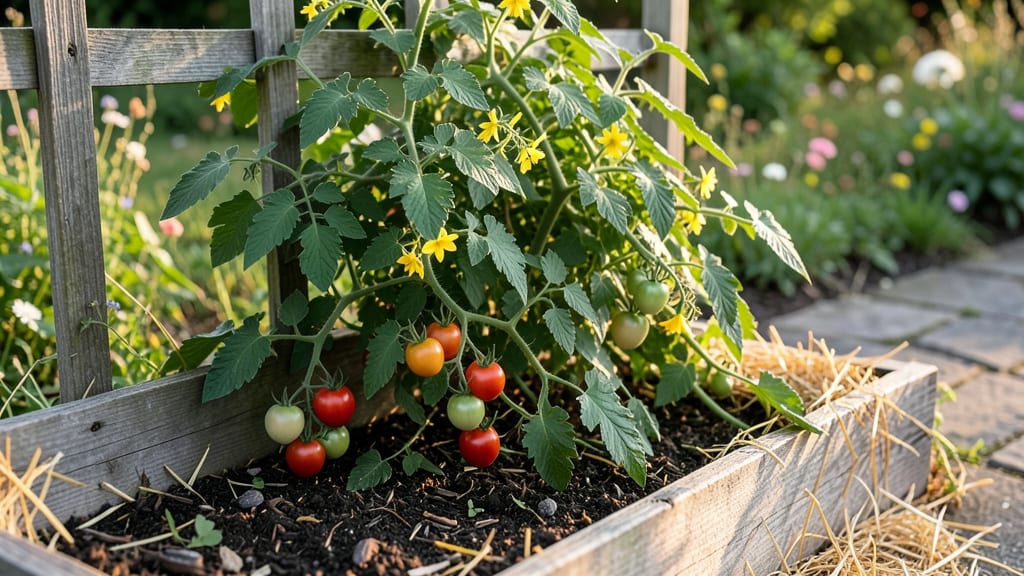
Growing trailing tomato plants turns a small yard into a high-yield garden. 🌱 These sprawling beauties—like 'Sweet Million' or 'Black Cherry'—produce pounds of fruit without taking up extra space, but they need the right trellis to shine.
My first attempt with flimsy stakes ended in a tangled mess, but the second year, with a sturdy A-frame trellis, I harvested 50% more tomatoes in the same footprint.
The secret lies in matching the trellis to the plant's vigor: 5-foot-tall cages work for smaller varieties, while 8-foot-tall obelisks handle heavy producers like 'Super Sweet 100'. Prune suckers (those little shoots in the leaf axils) to keep energy focused on fruit, not foliage.
Water at the base—not overhead—to prevent disease, and fertilize lightly every 2-3 weeks once flowers appear. By mid-summer, your trellis will be a bursting vine of red, yellow, or purple fruit, all within arm's reach. The best part? You'll never need a sprawling garden again.
These plants thrive in containers too, making them perfect for balconies or patios. Common mistakes include overcrowding (keep plants 18-24 inches apart) or skipping pruning (which leads to fewer, smaller fruits).
Start seeds indoors 6-8 weeks before last frost for a head start, and harvest regularly to encourage more production. Your neighbors will be green with envy!
📚 In This Guide
- What you need
- Instructions
- Tips and common mistakes
- Wrapping up and next steps
What you need
- ● Trailing tomato varieties: Choose dwarf or indeterminate types like 'Tiny Tim,' 'Tumbling Tom,' or 'Micro Tom' (1–3 plants per trellis).
- ● Trellis or support structure: DIY option: Sturdy wooden stakes (4–6 ft tall), bamboo poles, or PVC pipes (1–2 inches in diameter).
- ● Pre-made: A-wire cages, obelisk trellises, or tomato towers (ensure they’re at least 4–5 ft high).
- ● Garden twine or soft plant ties: 100+ ft of 3–4 mm twine or reusable fabric ties (avoid wire or plastic that can damage stems).
- ● Potting mix: High-quality, well-draining soil blend (10–20 lbs, depending on pot size). Add perlite or compost for extra aeration.
- ● Containers: Fabric grow bags (5–10 gallons), hanging baskets (12+ inches deep), or large pots with drainage holes (1 plant per container).
- ● Fertilizer: Balanced liquid fertilizer (10-10-10 or 5-5-5) or slow-release granules (follow package rates).
- ● Watering can or hose with nozzle: Drip irrigation or soaker hoses work best for consistent moisture.
- ● Mulch: Straw or shredded leaves to retain moisture and suppress weeds.
- ● Pruning shears: Sharp, clean scissors to trim suckers and encourage bushier growth.
- ● Shade cloth: Lightweight fabric (30–50% shade) for hot climates to protect young plants.
- ● Companion plants: Basil, marigolds, or nasturtiums to deter pests and boost flavor.
- ○ Growth regulators: Optional products like Seaweed extract to enhance trailing habits.
Step-by-Step guide to training tomato plants vertically
Here’s how to turn sprawling tomato plants into high-yielding vertical vines that save space and boost production.
🌱 Step 1: Select the Right Trellis System
Choose a sturdy trellis that can support 10-15 pounds per plant—tomatoes get heavy with fruit. I prefer A-frame cages for determinate varieties or strong wooden stakes for indeterminate vines. Install the trellis before planting so roots can grow near the support without disturbance. For 4 plants, a 6-foot-tall structure works perfectly—taller if your variety is known for vigorous growth.
Position the trellis in full sun (at least 8+ hours daily), but avoid hot afternoon sun in southern climates—partial afternoon shade prevents sunscald on ripening fruit. If using stakes, drive them 12-18 inches deep for stability. For cages, ensure the wire mesh is 14-16 gauge—thinner wire bends under weight.
☀️ Step 2: Plant and Prune for Vertical Growth
Plant tomatoes 2-3 inches from the trellis so vines can easily reach upward. For indeterminate varieties, remove suckers (the small shoots in the leaf axils) weekly—these compete for energy and weaken the main stem. Pinch off suckers below the first flower cluster to redirect growth upward. You’ll see stronger, straighter vines with more energy for fruit production.
When the main stem reaches the trellis top, prune the tip to encourage lateral branching. This creates a bushier plant that produces more fruit along the vine. Watch for yellowing lower leaves—these signal the plant is shifting energy upward. Remove them to improve airflow and reduce disease risk.
🪴 Step 3: Train Vines and Secure Growth
Gently tie the main stem to the trellis every 12 inches using soft plant ties or old fabric strips—avoid wire or plastic that can cut into stems. As lateral branches form, weave them through the trellis or tie them loosely to encourage upward growth. Indeterminate varieties may need weekly tying as they grow 6-10 feet tall—don’t let vines flop over, or they’ll rot at the stem.
Here’s the thing—over-tightening ties can strangle stems as they thicken. Loosen ties monthly to prevent constriction. If you see a vine struggling to reach the trellis, bend it gently toward the support rather than forcing it—sudden movements can snap tender stems.
💧 Step 4: Water and Fertilize for Vertical Success
Water at the base only, keeping soil consistently moist but not soggy—dry soil causes blossom-end rot, while soggy soil invites root rot. For 4 plants, aim for 1-1.5 gallons per watering, increasing as fruit sets. Mulch with 2-3 inches of straw to retain moisture and keep roots cool. Avoid wetting leaves to prevent fungal diseases like early blight.
Fertilize every 3-4 weeks with a balanced 10-10-10 or 5-10-10 formula, reducing nitrogen as fruit ripens. Too much nitrogen leads to leafy growth at the expense of tomatoes. You’ll know your plant is happy when it produces new leaves and flowers simultaneously—this means it’s balancing growth and fruiting perfectly.
✂️ Step 5: Harvest and Maintain Through the Season
Harvest tomatoes when fully colored and slightly soft—this ensures peak flavor and prevents overripe fruit from sapping the plant’s energy. For trailing varieties, pick from the bottom up to avoid breaking lower branches. Use small pruners to snip stems cleanly, leaving a ¼-inch stub to prevent disease entry.
As the season progresses, prune lower leaves that shade the fruit to improve air circulation and reduce humidity around the plant. If your trellis shows signs of sagging under the weight, add a second support stake tied to the trellis for backup. By late summer, you’ll have a dense canopy of ripe tomatoes—proof that vertical training works!
Tips & tricks for perfect vertical tomato growth
Here's what I learned after years of training tomatoes vertically—and how to avoid my early mistakes.
Support Stability: The 12-18 inch depth for stakes is non-negotiable for windy areas. I learned this the hard way when a storm toppled my first attempt. For extra security, add a second stake tied diagonally to the main support, especially for indeterminate varieties that can grow 6-10 feet tall. This creates a triangle of support that prevents leaning.
Pruning Precision: When you reach Step 2 and see those yellowing lower leaves, don't just rip them off—make clean cuts with pruners just above the leaf node. This prevents tearing and gives the plant a smooth surface to heal. I also recommend doing this on cloudy mornings when the leaves are less brittle from evaporation. The weekly sucker removal is crucial, but only pinch off those growing below the first flower cluster—this preserves the plant's energy for fruit production.
Tying Technique: The every 12 inches rule applies to the main stem only. For lateral branches, you can space ties 18-24 inches apart since they bear less weight. I use old T-shirts cut into strips—they stretch as the stem thickens without constricting growth. Pro tip: Always tie toward the trellis, not away from it, to prevent the vine from pulling loose. Monthly loosening is key—stems can double in thickness over a season!
Watering Wisdom: Those 1-1.5 gallons per watering for 4 plants should be delivered slowly at the base to prevent runoff. I use a soaker hose for the first 2 feet of the vine to ensure deep watering without wetting leaves. The 2-3 inches of straw mulch is worth the effort—it keeps soil temperatures stable and reduces evaporation by 50% during hot afternoons. For container-grown tomatoes, double the mulch thickness to 4-6 inches since pots dry out faster.
Pro Tips for Trailing Tomato Plants
- Here's what I learned after years of training tomatoes vertically—and how to avoid my early mistakes.
- Support Stability: The 12-18 inch depth for stakes is non-negotiable for windy areas.
- Pruning Precision: When you reach Step 2 and see those yellowing lower leaves, don't just rip them off—make clean cuts with pruners just above the leaf node.
Frequently asked questions
Got questions about trailing tomato plants?
You’re not alone! Here are answers to the most common concerns—from setup to harvest—so you can grow like a pro.
When is the best time to start trailing tomato plants?
Plant trailing tomato seedlings after the last frost when soil temps reach at least 60°F (15°C). For indoor starts, sow seeds 6–8 weeks before transplanting in biodegradable pots. If using a trellis, install it early—before vines get too heavy—to avoid stressing the plant.
How do I prevent my trailing tomatoes from falling over?
Use a sturdy trellis or cage (at least 5–6 feet tall) and tie vines gently with soft plant ties or old T-shirts every 1–2 feet. Avoid tight knots—gentle support is key! If stems weaken, add horizontal strings for extra stability. Wind? Prune lower leaves to reduce drag.
Can I grow trailing tomatoes in containers?
Choose a large pot (10+ gallons) with drainage and a compact trellis or tomato cage. Dwarf or determinate varieties (like ‘Tumbling Tom’) thrive in containers. Just ensure the pot stays moist and gets 6+ hours of sun daily. Add compost for nutrients—trailing tomatoes in pots need frequent watering!
What pests or diseases should I watch for with trailing tomatoes?
Common issues include aphids, hornworms, and blight. Prevent pests with neem oil or companion plants (basil/marigolds). For blight, prune lower leaves for airflow and avoid overhead watering. Yellow leaves? Check for nutrient deficiencies (add Epsom salt for magnesium) or root rot (improve drainage).
How do I harvest trailing tomatoes without damaging the plant?
Use scissors or pruners to cut stems 1 inch above the fruit—never twist or pull. Harvest regularly (every 2–3 days) to encourage more production. For cherry tomatoes, pick when fully colored; heirlooms may need a little longer. Morning harvests keep tomatoes tasting sweeter!
Wrapping up and next steps
Growing trailing tomato plants on trellises isn’t just clever—it’s a game-changer for small gardens and high-yield harvests! 🌱 By mastering vertical techniques, you’ll save space, boost airflow, and keep pests at bay while enjoying juicier, healthier tomatoes.
Whether you’re a beginner or a seasoned gardener, these methods make it easier than ever to turn your patio or balcony into a thriving tomato oasis.
Ready to transform your garden? Start small—pick one trellis design, experiment with a few trailing varieties, and watch your confidence (and harvest) grow! Next up: harvest those ripe beauties and share the bounty with friends or preserve them for later. Happy gardening! 🍅✨