
Plants
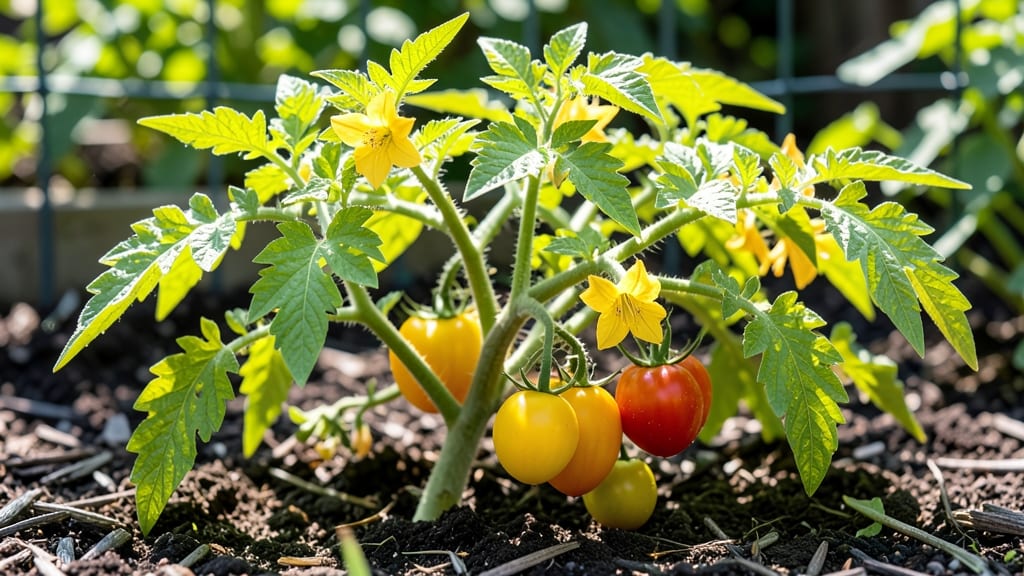
Growing Yellow Taxi tomato plants means sun-kissed, 10-ounce fruits that taste like summer in every bite. 🌞 I learned the hard way that these heirlooms demand patience—planting too early or in poor soil leads to weak vines and bitter tomatoes.
The secret lies in timing, soil, and a little extra care that turns good plants into explosive producers. Start with well-draining soil mixed with compost (no cheap bagged dirt—it compacts and suffocates roots).
Set plants out after your last frost when soil hits 60°F, and stake them early to prevent sprawl. Water deeply at the base twice weekly, avoiding wet leaves to stop diseases like blight. Prune suckers aggressively—Yellow Taxis reward heavy pruning with more fruit, fewer leaves.
By midsummer, you’ll see glossy yellow fruits hanging heavy on the vine. Harvest when they’re fully colored but still firm—wait too long, and they turn mealy. The flavor? Sweet with a hint of smoky depth, like a sun-warmed roadside market tomato.
Save seeds from your best fruits to grow next year’s plants. These tomatoes thrive in containers or in-ground beds, making them perfect for small spaces or urban gardens. Just avoid cold snaps—they’re sensitive to frost.
With the right care, you’ll go from seedling to harvest in 80 days, and every bite will taste like victory.
Root Causes Behind Yellowing
Yellowing leaves on your heirloom tomato plants—especially that telltale "yellow taxi" pattern—can feel like a cryptic message from your garden. But don’t worry, it’s usually your plants’ way of screaming for help (or just a little TLC).
Let’s break down the science behind why this happens, so you can diagnose and fix it like a pro.
Tomatoes are heavy feeders, and when they’re not getting the right nutrients, their leaves turn yellow faster than a summer squash in the sun. Here’s what’s really going on:
- Nitrogen Shortage (Most Common Culprit 🌱) Nitrogen is the MVP of leaf health—it keeps chlorophyll (the green pigment) producing.
When soil lacks nitrogen, older leaves (the "taxi" pattern) yellow first because the plant redirects nutrients to new growth. - Actionable Fix: Feed with a balanced fertilizer (like 10-10-10) or compost. For a quick boost, try fish emulsion or alfalfa meal.
- Magnesium or Potassium Deficiency (The Sneaky Saboteurs 🕵️) Yellowing between leaf veins (interveinal chlorosis) often signals magnesium deficiency, while weak stems and yellowing at the edges point to potassium issues.
- Magnesium Fix: Apply Epsom salt (1 tbsp per gallon of water) as a foliar spray or soil drench.
- Potassium Fix: Use banana peel tea (yes, really!) or a potassium-rich fertilizer like greensand.
Yellow leaves can also mean your tomatoes are sitting in soggy socks—too much water cuts off oxygen, leading to root rot and nutrient uptake failures. - Signs It’s Water-Related: - Yellowing starts at the bottom leaves (not the classic "taxi" pattern, but still a red flag). - Soil smells musty or feels squishy when squeezed. - Roots look mushy or brown (if you’re brave enough to check). - Actionable Fix: - Improve drainage by amending soil with perlite, sand, or coconut coir. - Water deeply but less often—tomatoes hate "wet feet."
Aim for 1–1.5 inches per week. - Raise containers or plant on a mound to prevent pooling.
Sometimes, tiny invaders or pathogens hijack your plants’ nutrients, causing yellowing. - Common Culprits: - Aphids/Spider Mites: Suck sap, leaving leaves yellow and crispy. Check the undersides of leaves for tiny bugs. - Fungal Issues (Early Blight, Verticillium Wilt): Yellowing + dark spots or wilting means fungal trouble.
These thrive in wet, humid conditions. - Root-Knot Nematodes: Microscopic worms that strangle roots, starving the plant.
Look for galls (lumpy roots) if you dig up a plant. - Actionable Fix: - Pests: Blast off with neem oil or introduce ladybugs (natural predators). - Fungus: Remove infected leaves, space plants for airflow, and spray with copper fungicide. - Nematodes: Solarize soil (cover with plastic for 4–6 weeks) or plant marigolds (natural nematode repellent).
Tomatoes are tropical divas—they hate extremes.
- Too Much Sun (Sunburn Risk 🔥):
- Leaves scorch and turn yellow-white (especially in afternoon heat).
- Fix: Provide afternoon shade (use shade cloth or plant near taller crops).
- Temperature Swings (Cold Stress ❄️):
- Below 50°F (10°C) at night stunts growth, causing yellowing.
- Fix: Use row covers or black plastic mulch to warm roots.
- Wind Burn (The Unseen Enemy 💨):
- Whipping winds dry leaves faster than a microwave burrito.
- Fix: Plant near a windbreak (like cornstalks or a fence).
Moving tomato plants (even young seedlings) can sever roots, slowing nutrient uptake and causing temporary yellowing.
- Signs:
- Yellowing within 1–2 weeks of transplanting.
- Stunted growth or wilting despite watering.
- Actionable Fix:
- Hardening off seedlings (acclimating them to outdoor conditions) before planting.
- Water deeply after transplanting to encourage root regrowth.
- Avoid disturbing roots when moving plants—dig a big enough hole and tease out roots gently.
Pro Tip: 🔍 Diagnose Like a Detective Grab a soil test kit (or send a sample to your local extension office) to rule out hidden deficiencies. And keep a plant journal—note when yellowing starts (after rain? fertilizer? heatwave?) to spot patterns faster!
How to solve it
If your Yellow Taxi tomato plants are showing signs of stress—whether it’s yellowing leaves, stunted growth, or strange spots—don’t panic! Most issues have simple, garden-friendly fixes. Below, we’ve mapped common problems to their solutions, with step-by-step instructions and prevention tips to keep your heirloom tomatoes thriving.
Yellow leaves are often the first red flag, but the cure depends on the cause.
🔥 Fix Iron or Nitrogen Deficiency (Yellow Lower Leaves)
Yellow Taxi tomatoes love nutrients, and deficiencies show up fast. If older leaves turn pale yellow (with green veins), it’s usually iron or nitrogen deficiency.
How to Fix It: 🍳 Amend the Soil – Mix in compost or worm castings (rich in nitrogen) around the base of the plant. Avoid synthetic fertilizers, which can burn roots. 👨🍳 Use Chelated Iron – Sprinkle iron sulfate or Epsom salt (magnesium sulfate) lightly on the soil and water it in. A tablespoon per plant works for mild cases. 🥘 Mulch Properly – Apply straw or grass clippings to retain moisture and slowly release nutrients.
Prevention Tips: ✨ Test Your Soil – Use a DIY soil test kit before planting to check pH (ideal: 6.0–6.8 for tomatoes). 💡 Side-Dress Early – Add a handful of fish emulsion or alfalfa meal mid-season for a nitrogen boost.
If your Yellow Taxi plants are short, leggy, or just not growing, the problem is likely root-bound, compacted soil, or lack of space.
🔪 Fix Root Restrictions or Soil Compaction
Tomatoes need room to stretch and aerated soil to thrive.
How to Fix It: 🔥 Repot or Transplant – If growing in containers, move the plant to a larger pot (at least 5 gallons) with fresh potting mix. For in-ground plants, loosen the soil around roots with a fork. 🍳 Improve Drainage – Amend heavy clay soil with perlite, sand, or coconut coir to prevent waterlogging. 👨🍳 Prune Lower Leaves – Remove yellow or wilted lower leaves to redirect energy to root and fruit growth.
Prevention Tips: 🌡️ Plant Deeply – Bury stems up to the first few leaves to encourage stronger root development. 🎯 Use Raised Beds – If your soil is poor, raised beds with compost give Yellow Taxi tomatoes the perfect growing environment.
Yellow Taxi tomatoes are susceptible to fungal diseases, especially in humid climates. Look for yellow spots, white powder, or wilting leaves.
💦 Fix Fungal Infections Naturally
Fungicides can be harsh—try organic remedies first.
How to Fix It: 🔥 Remove Affected Leaves – Prune yellow or spotted leaves and dispose of them (don’t compost them!). 🍳 Spray with Baking Soda Mix – Combine 1 tsp baking soda + 1 tbsp oil + 1 tsp dish soap per quart of water. Spray every 7–10 days. 👨🍳 Improve Airflow – Space plants 2–3 feet apart and prune crowded foliage to reduce humidity. 🥘 Use Copper Fungicide – For severe cases, apply an organic copper spray (follow label instructions).
Prevention Tips: ✨ Water at the Base – Avoid wetting leaves (use drip irrigation or water early in the day). 💡 Rotate Crops – Don’t plant tomatoes in the same spot two years in a row to prevent soil-borne fungi.
Yellowing leaves can also mean pests are sucking the life out of your plants!
🕷️ Eliminate Common Tomato Pests
Act fast—these critters multiply quickly.
How to Fix It: 🔥 Blast Off Aphids – Spray soapy water (1 tsp mild soap per quart of water) directly on infested areas. 🍳 Handpick Hornworms – Check leaves daily and drop them in soapy water (they’re sneaky but easy to spot!). 👨🍳 Introduce Beneficial Insects – Release ladybugs or lacewings to control aphids naturally. 🥘 Use Neem Oil – Spray neem oil solution (1 tbsp per gallon of water) to deter spider mites and soft-bodied pests.
Prevention Tips: 🌡️ Install Row Covers – Use floating row covers early in the season to block pests. 🎯 Plant Companion Crops – Basil, marigolds, or nasturtiums repel pests naturally.
No matter the issue, consistent care keeps these heirlooms happy:
- Water deeply 1–2 times per week (avoid wetting leaves).
- Fertilize lightly with balanced organic fertilizer every 4–6 weeks.
- Prune regularly to improve airflow and sunlight penetration.
- Harvest early—the more you pick, the more your plant produces!
With these fixes, your Yellow Taxi tomatoes will bounce back stronger than ever. Happy growing! 🍅🌿
Frequently asked questions
Why are my Yellow Taxi tomato leaves turning yellow?
Yellowing leaves usually signal nutrient deficiencies (like nitrogen or magnesium) or overwatering. Start by checking the soil—if it's soggy, improve drainage. For nutrient issues, add compost or Epsom salt (1 tbsp per gallon of water) for magnesium. Avoid wetting leaves to prevent fungal diseases.
How often should I water Yellow Taxi tomato plants?
Water deeply 2-3 times per week, giving about 1-1.5 inches of water each time. Focus on the soil base, not the leaves, to prevent diseases. Mulch helps retain moisture while keeping roots cool. Adjust frequency during extreme heat or drought.
Can I grow Yellow Taxi tomatoes in containers?
Use containers at least 5 gallons with drainage holes. Fill with high-quality potting mix and add compost. Place in full sun (6+ hours daily) and stake plants early to support their weight. Container-grown tomatoes need more frequent watering than in-ground plants.
When should I harvest Yellow Taxi tomatoes?
Pick fruits when they're fully colored but still firm—waiting too long makes them mealy. Harvest regularly to encourage more production. Use pruning shears to avoid damaging the vine. The flavor peaks when tomatoes reach 2-3 inches in diameter and have a slight give when gently squeezed.
How do I prevent common tomato diseases on Yellow Taxi plants?
Start with disease-resistant varieties if possible. Space plants 2-3 feet apart for airflow, water at the base, and remove infected leaves immediately. Apply neem oil preventatively and rotate crops yearly. Avoid overhead watering to keep foliage dry.