
How To
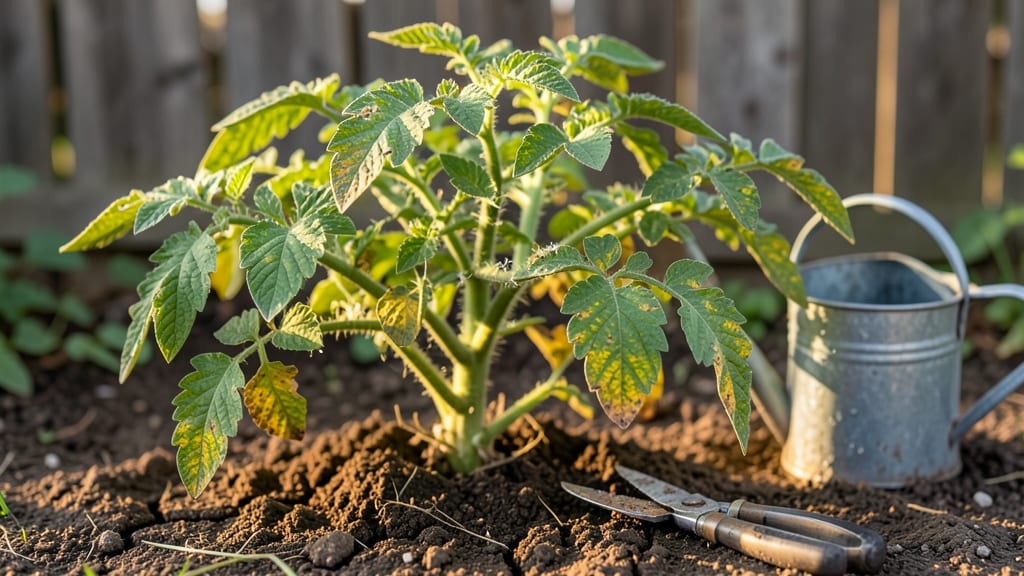
Your tomato plants are screaming for help when leaves turn yellow—and ignoring it could mean fewer fruits this season. 🌱 The good news? Most yellowing is fixable, and the solution depends on what else you notice: soggy soil, crunchy bugs, or weird spots can all point to different problems.
I’ve diagnosed every yellow leaf scenario in my garden, and I’ll show you how to spot the exact issue in minutes.
Start by checking the pattern: uniform yellowing often signals overwatering or nutrient burn, while patchy yellow with brown edges hints at fungal issues like early blight. Yellow veins but green edges? That’s classic magnesium deficiency.
The key is acting fast—tomatoes recover quickly when you address the root cause, but waiting too long means lost harvests. Grab your gloves and let’s troubleshoot before the problem spreads.
Most fixes are simple: adjust your watering schedule, add compost for nutrients, or spray neem oil for pests. I’ve even saved plants from blight by pruning infected leaves immediately and improving airflow.
The goal isn’t just to stop the yellowing—it’s to get your plants back to that deep, glossy green they need to produce heavy fruit. You’ll know you’ve nailed it when new growth stays vibrant and your plants bounce back stronger.
This works for both backyard gardens and container-grown tomatoes, so whether you’re dealing with a single plant or a full plot, the same principles apply. The faster you act, the faster your tomatoes rebound—and that means more homegrown sauce, salsa, or salads on your table.
Let’s get those leaves healthy again.
Hidden Culprits Behind Yellowing Tomato Leaves
Yellowing tomato leaves aren’t just a cosmetic issue—they’re your plant’s way of signaling distress. Understanding the root causes helps you act fast to save your harvest. Below, we break down the most common reasons, backed by science, so you can diagnose and fix the problem like a pro.
Tomatoes thrive in well-drained soil, but too much water (or soggy roots) suffocates them. When roots can’t breathe, they struggle to absorb nutrients, leading to chlorosis—the yellowing of leaves. This often starts on lower leaves and spreads upward.
Why it happens:
- Waterlogged soil cuts off oxygen to roots, triggering anaerobic bacteria that produce toxic compounds.
- Compacted or clay-heavy soil holds excess moisture, preventing proper drainage.
- Overhead watering wets leaves, promoting fungal diseases (like early blight) that accelerate yellowing.
Actionable fix:
- Test soil moisture by sticking your finger 1–2 inches deep—water only when dry.
- Amend soil with perlite, sand, or compost to improve drainage.
- Use drip irrigation or soaker hoses to deliver water at the base, avoiding leaf wetness.
Tomatoes love sunlight, but intense heat or direct midday sun can scorch leaves, causing yellowing, especially on upper foliage. High temperatures also disrupt chlorophyll production, leading to bleached or yellow patches.
Why it happens:
- Heat stress (above 90°F/32°C) damages cell membranes, halting nutrient transport.
- Sunburn occurs when leaves absorb too much UV radiation without acclimation.
- Transpiration overload (rapid water loss) stresses the plant, mimicking drought symptoms.
Actionable fix:
- Provide afternoon shade (use shade cloth or plant near taller crops).
- Mulch heavily (straw or grass clippings) to keep roots cool.
- Choose heat-tolerant varieties like ‘Solar Fire’ or ‘Heatmaster’ for hot climates.
Yellowing leaves often signal a nutrient imbalance, with each deficiency targeting different parts of the plant:
| Symptom | Likely Deficiency | Why It Happens | Quick Fix |
|---|---|---|---|
| Lower leaves yellow first | Nitrogen (N) | Nitrogen fuels leaf growth; lack stunts it. | Apply blood meal or compost tea. |
| Yellow between veins | Magnesium (Mg) | Magnesium is key for chlorophyll. | Sprinkle Epsom salt (1 tbsp/gal water). |
| Young leaves yellow | Iron (Fe) | Iron is immobile in plants—new leaves show symptoms first. | Use chelated iron or adjust soil pH (aim for 6.0–6.8). |
Pro tip: 💡 Conduct a soil test to confirm deficiencies before guessing. Over-fertilizing can worsen issues!
Hidden invaders can drain nutrients or block water uptake, causing yellowing. Look for these red flags:
- Aphids, spider mites, or whiteflies suck sap, starving leaves of chlorophyll.
- Fungal diseases (like early blight or septoria leaf spot) create yellow spots with dark borders.
- Root-knot nematodes damage roots, reducing water/nutrient absorption.
Actionable fix:
- Inspect leaves (use a magnifying glass) for pests or spots.
- Spray neem oil or introduce beneficial insects (ladybugs, lacewings).
- Rotate crops and practice crop rotation to break disease cycles.
Tomatoes are warm-season plants—sudden cold snaps (below 50°F/10°C) or frost can shock them, causing yellowing, wilting, or even blackened leaves.
Why it happens:
- Cold slows photosynthesis, halting nutrient production.
- Fungal spores (like late blight) thrive in damp, cool conditions.
- Transplant shock occurs if seedlings are moved too early.
Actionable fix:
- Use row covers or cloches to protect plants from frost.
- Hardening off seedlings gradually before transplanting.
- Choose cold-tolerant varieties like ‘Stupice’ or ‘Mountain Merit’ for cooler climates.
Too much fertilizer (especially salt-based or synthetic nitrogen) can burn roots, preventing nutrient uptake. Yellowing often appears on leaf edges or tips, with crispy or browned areas.
Why it happens:
- High salt concentration in soil disrupts osmosis, dehydrating roots.
- Imbalanced pH (too acidic or alkaline) locks out nutrients like iron or manganese.
- Fresh manure can scorch roots if applied directly.
Actionable fix:
- Flush soil with water to reduce salt buildup.
- Test pH and amend with lime (to raise pH) or sulfur (to lower pH).
- Use organic, slow-release fertilizers (like worm castings or fish emulsion).
Not all yellowing is a crisis! Older lower leaves naturally yellow and die as the plant redirects energy to fruiting and new growth.
This is normal if: - Only a few lower leaves yellow at a time. - The plant looks healthy otherwise (green upper leaves, no wilting). - No spots, pests, or stunted growth are present.
Actionable fix:
- Prune yellowed lower leaves to improve airflow and fruit production.
- Focus on supporting new growth—don’t overreact to this common sign of maturity!
Quick Fixes for Yellow Tomato Leaves
Yellowing tomato leaves can be frustrating, but the right approach can revive your plants fast! Below are practical, step-by-step solutions tailored to the most common causes—plus prevention tips to keep your tomatoes thriving. 🌱💚
Symptoms: Yellow lower leaves, soggy soil, wilting despite water. Fix:
- Stop watering immediately—let the soil dry out for 2–3 days.
- Check drainage: If your pot has no holes or garden soil is compacted, amend it with perlite or sand (10–20% mix).
- Repot if needed: Use a container with drainage holes or transplant to well-draining soil.
- Water deeply but less often: Aim for 1–1.5 inches per week (adjust for climate). Water at the base, avoiding leaves to prevent fungal issues.
💡 Pro Tip: Stick your finger 1 inch into the soil—if it’s damp, wait before watering. Mulch around plants to retain moisture without over-saturating.
Symptoms: Crispy yellow edges, drooping leaves, dry soil. Fix:
- Water thoroughly until it drains from the bottom (pots) or 6 inches deep (garden).
- Mulch heavily (2–3 inches) with straw or wood chips to lock in moisture.
- Provide afternoon shade if temps exceed 90°F (32°C). Use shade cloth (30–50%) or a temporary row cover.
- Adjust watering times: Early morning (6–8 AM) is best to reduce evaporation.
✨ Prevention: Group tomato plants together to create a microclimate with shared humidity. Drip irrigation beats overhead watering in heat.
Symptoms: Yellow between leaf veins (magnesium), pale yellow all over (nitrogen), or stunted growth.
| Deficiency | Quick Fix | Prevention |
|---|---|---|
| Nitrogen (Pale Yellow) | Apply balanced fertilizer (10-10-10) or compost tea. For organic, use alfalfa meal (1 tbsp per plant). | Side-dress with compost every 3–4 weeks. |
| Magnesium (Yellow Edges) | Spray Epsom salt solution (1 tbsp per gallon of water) weekly for 2 weeks. | Mix 1 cup Epsom salt per 5 gallons of soil at planting. |
| Potassium (Brown Spots + Yellow) | Use banana peel tea (steep 3 peels in water for 24 hours) or potassium sulfate (1 tsp per gallon). | Add wood ash (1 cup per plant) or greensand. |
| Iron (Yellow New Leaves) | Apply chelated iron (follow label) or spray lemon juice + water (1:10 ratio). | Use iron-rich compost or plant in slightly acidic soil (pH 6.0–6.8). |
💡 Pro Tip: Yellow leaves from deficiency often start on older leaves first—act fast before it spreads!
Symptoms: Yellow spots with black rings (early blight), oily sheen (bacterial spot), or mushy stems (damping off).
Fix:
- Remove infected leaves immediately and destroy them (don’t compost!). 🔪
- Prune for airflow: Trim crowded foliage to improve drying.
- Spray with copper fungicide (for bacterial/fungal issues) or neem oil (1 tsp per quart of water + soap).
- Water at the base only—avoid wetting leaves.
- Rotate crops next season (tomatoes shouldn’t return to the same spot for 3 years).
🔥 Emergency Move: If damping off strikes seedlings, transplant survivors to fresh, sterile soil.
Symptoms: Yellowing with holes, webs, or sticky residue (aphids, spider mites).
Fix:
- Blast off pests: Spray plants with soapy water (1 tsp mild soap per quart) in the morning.
- Introduce predators: Release ladybugs (aphids) or predatory mites (spider mites).
- Use row covers to block pests before they arrive.
- Diatomaceous earth (food-grade) can dry out soft-bodied insects—sprinkle lightly on soil.
🎯 Prevention: Interplant with basil or marigolds to repel pests naturally.
Symptoms: Yellowing after repotting or after a storm.
Fix:
- Check roots: Gently loosen soil to see if roots are rotted or circling. Trim any black/mushy roots with clean scissors.
- Repot in fresh soil with mycorrhizal fungi (boosts root growth).
- Keep soil moist but not soggy for 1–2 weeks post-transplant.
- Avoid fertilizing for 2 weeks to reduce stress.
💡 Pro Tip: Add crushed eggshells to new soil for calcium—helps roots recover faster.
- Trim damaged leaves to redirect energy to healthy growth.
- Boost humidity with a pea gravel tray under pots (add water to tray, not soil).
- Morning sunlight + afternoon shade balances stress in hot climates.
- Test your soil (pH and nutrients) every 2–3 years—amend as needed.
Final Thought: Most yellowing leaves can be reversed with one targeted fix—start with the most likely cause (check soil moisture first!). 🌿 With consistent care, your tomatoes will bounce back stronger than ever.
Frequently asked questions
Why do only the older leaves turn yellow first?
This is completely normal! As tomato plants mature, they prioritize energy for fruit production and new growth. Older leaves naturally yellow and die as the plant recycles nutrients from them. Only worry if the yellowing spreads to younger leaves or you see other symptoms like wilting or spots.
Can I still harvest tomatoes if the leaves are yellow?
Yes, but focus on the plant's health first. Yellow leaves mean the plant is stressed, which can reduce fruit quality. Harvest any ripe tomatoes immediately, but remove heavily yellowed leaves to help the plant redirect energy to fruit production. If the yellowing is severe, prioritize fixing the underlying issue before expecting new fruit.
How do I tell if yellow leaves are from overwatering vs. underwatering?
Check the soil and leaf texture: Overwatered plants have soggy soil, yellowing starting from the bottom, and often feel heavy. Underwatered plants have dry, crispy leaf edges, yellowing that starts at the tips, and may wilt during the day but recover at night. Stick your finger 1-2 inches deep to test moisture.
Will yellow leaves spread to other tomato plants?
Only if the cause is contagious! Fungal diseases (like early blight) or pests can spread to nearby plants, but nutrient deficiencies or environmental issues (like overwatering) won't. Immediately isolate and treat infected plants, and clean your tools between uses to prevent cross-contamination. Remove any fallen leaves that might harbor disease spores.
How long does it take for tomato leaves to turn green again after fixing the problem?
With the right fix, you'll often see improvement in 3-7 days, but full recovery can take 2-4 weeks depending on the cause. New growth should appear vibrant green first—this is your best sign the plant is healing. Be patient with nutrient deficiencies (like magnesium), which may take longer to show full recovery than environmental fixes (like adjusting water).