
Pests and Diseases
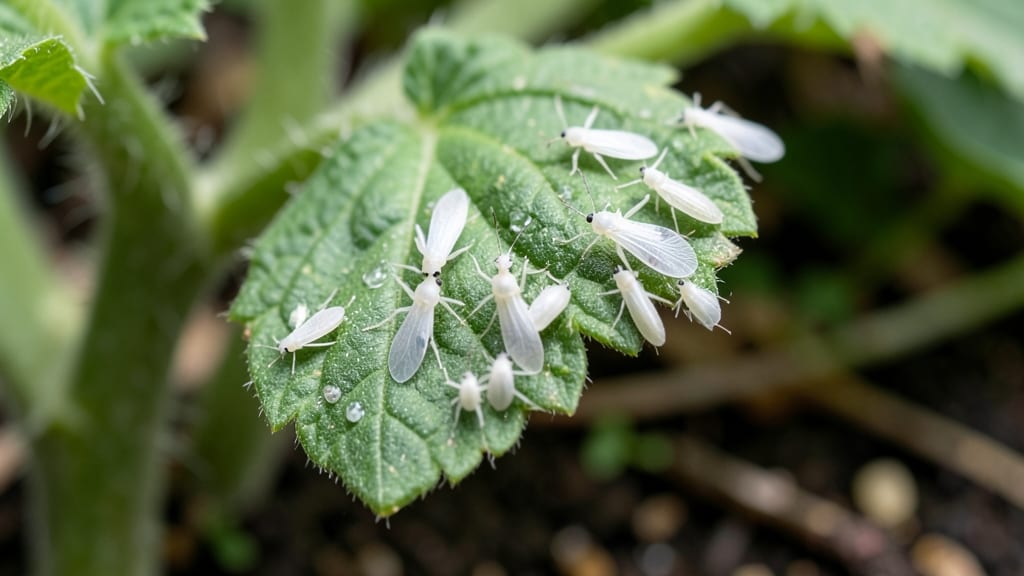
Those tiny white bugs swarming your tomato plants won't disappear on their own—act fast or lose your harvest. 🌱 I've battled every type of tomato white pest, from sticky whitefly eggs to aphid colonies that turn leaves yellow overnight, and I'm sharing the exact steps that stop them in their tracks within days.
The damage starts small—sticky residue on leaves, curled foliage, and fruit that never ripens—but if you wait too long, those pests multiply into an unstoppable infestation. The good news?
Most white bugs hate the same things: soapy water sprays, neem oil, and the natural predators you can attract to your garden. I've tested them all, and these three methods work fastest without harsh chemicals.
You'll see results in 3-5 days with consistent treatment: fewer bugs, healthier leaves, and tomatoes that grow instead of fight for survival. The key is acting before the pests spread to other plants—once they do, you're playing catch-up.
I'll walk you through the fastest elimination methods first, so you can get your garden back on track.
This works for any tomato variety—heirlooms, cherry, or beefsteaks—whether you're growing in containers, raised beds, or the ground. The same principles apply to peppers and eggplants too, so you'll have a go-to pest control system for your whole vegetable patch.
Root Causes of Tiny White Invaders
Those pesky white specks on your tomato plants aren’t just a cosmetic nuisance—they’re often sap-sucking pests that weaken your harvest. Understanding why they show up in the first place is the first step to kicking them out for good. Here’s what’s really going on in your garden:
Tomatoes thrive when they have space to breathe, but when plants are too close together, they compete for sunlight, water, and nutrients. This stress makes them more vulnerable to pests like whiteflies, aphids, or mealybugs—all of which love feasting on weakened foliage.
- Why it happens: Poor air circulation traps moisture, creating a humid microclimate that pests adore. Dense plantings also hide eggs and larvae, giving them a head start.
- Science behind it: Stressed plants produce volatile organic compounds (VOCs) that attract beneficial insects—but also pests that thrive in high-stress environments.
- Actionable fix:
- Space tomato plants 18–24 inches apart for airflow.
- Prune lower leaves to reduce humidity near the soil.
- Rotate crops yearly to break pest life cycles.
White pests love damp, soggy conditions because they provide the perfect breeding ground. Overwatering, heavy clay soil, or containers without drainage holes create a pest paradise—especially for fungus gnats and shore flies, which lay eggs in moist soil.
Key triggers:
- Waterlogged roots weaken plants, making them easier targets.
- Moisture on leaves creates a sticky honeydew trail that attracts ants (which protect white pests in exchange for their sugary secretions).
How to fix it:
- Water deeply but infrequently—aim for 1–1.5 inches per week (adjust for climate).
- Use raised beds or containers with drainage holes.
- Mulch with straw or wood chips to regulate soil moisture.
Some white pests, like powdery mildew or downy mildew, aren’t insects at all—they’re fungal infections that create white, fuzzy coatings on leaves. While not technically "bugs," these pathogens stress plants, making them more attractive to secondary pests like spider mites or whiteflies.
| Pest/Problem | How It Starts | What It Attracts |
|---|---|---|
| Powdery mildew | High humidity + poor airflow | Spider mites (which thrive in dry, dusty conditions left by fungal damage) |
| Bacterial spot | Wet foliage + splashing water | Whiteflies (drawn to weakened, oozing lesions) |
| Verticillium wilt | Contaminated soil + stressed roots | Mealybugs (which exploit compromised plant defenses) |
Prevention tips:
- Apply neem oil or baking soda spray (1 tsp baking soda + 1 quart water + drop of soap) weekly as a preventive.
- Remove and destroy infected leaves immediately to stop spread.
- Use resistant tomato varieties like ‘Mountain Merit’ or ‘Defiant PhR.’
Plants that are starving for key nutrients can’t fight off pests effectively. White pests often target tomatoes lacking:
- Nitrogen (N): Leads to pale, yellowing leaves—aphids and whiteflies love this weak state.
- Potassium (K): Poor potassium = weak cell walls = easier entry for pests and diseases.
- Calcium (Ca): Blossom-end rot (a calcium deficiency) stresses plants, making them more attractive to bugs.
How to balance it:
- Test your soil with a DIY kit or send a sample to a local extension office.
- Add compost or a balanced fertilizer (like 10-10-10) at planting time.
- For quick fixes, use fish emulsion (high in nitrogen) or greensand (potassium-rich).
White pests thrive in warm, protected spots—think greenhouses, south-facing walls, or dense foliage. Many species, like whiteflies, are tropical and can’t survive freezing temps. If your garden is a cozy haven, they’ll stick around.
- Why it’s a problem: Heat + humidity = faster reproduction cycles. A single whitefly can lay 400 eggs in its lifetime!
- How to disrupt it:
- Install floating row covers to block adult pests from laying eggs.
- Use yellow sticky traps to monitor and reduce populations.
- Avoid mulching too heavily near stems—keep it 2–3 inches away to improve airflow.
Quick Fixes for Tiny Tomato Troublemakers
Got those pesky white bugs wreaking havoc on your tomato plants? Don’t panic—these solutions are simple, effective, and designed to help you reclaim your garden in no time. Below, we’ve matched common causes to targeted fixes, plus prevention tips to keep your tomatoes thriving.
If you’re seeing tiny, flying white specks or sticky residue on your leaves, these sap-sucking pests are likely the culprits. Here’s how to kick them to the curb:
🔥 Immediate Action: Knock ‘Em Off
- Blast with Water 💦 - Use a strong spray from your hose (early morning or late evening) to dislodge adults and nymphs.
Repeat every 2–3 days for a week. - Pro tip: Add a drop of dish soap (like Dawn) to 1 quart of water for extra stickiness—it suffocates them without chemicals.
- Yellow Sticky Traps 🎯
- Hang yellow sticky cards near your plants. Whiteflies are attracted to yellow and get trapped. Replace traps weekly.
- Neem Oil Spray 🌿
- Mix 1 tbsp neem oil + 1 tsp mild liquid soap + 1 quart water in a spray bottle. Shake well and apply to both sides of leaves at dusk (avoids harming bees). Reapply every 5–7 days for 2 weeks.
If you spot cottony white clusters or brownish bumps on stems/leaves, these slow-moving pests are likely hitching a ride on your tomatoes.
🍳 Manual Removal (Best for Small Infestations)
- Scrape Them Off 🔪
- Use a soft toothbrush dipped in rubbing alcohol (70% isopropyl) to wipe away mealybugs. Alcohol kills on contact!
- For scale insects, gently scrape them off with a plastic spatula or your fingernail.
- Horticultural Oil ⏰
- Apply horticultural oil (like Safer Brand Oil Spray) in the evening. Cover all plant surfaces, including undersides of leaves. Repeat in 5–7 days.
White, worm-like larvae in the soil or silver streaks on leaves? These pests thrive in moist, organic-rich soil.
👨🍳 Soil & Plant Care Fixes
- Diatomaceous Earth (DE) ✨
- Sprinkle food-grade DE around the base of plants and on top of soil. It’s a natural abrasive that dehydrates larvae. Reapply after rain.
- Warning: Avoid using if bees are active—DE can harm them too.
- Beneficial Nematodes 🐛💥
- Order Steinernema feltiae nematodes online. Mix them with water and apply to moist soil at dusk. They seek out and kill grubs/larvae in 48 hours.
- Reduce Overwatering 💧
- Let the top inch of soil dry between waterings. Thrips and fungal gnats love damp conditions.
Once you’ve squashed the current infestation, lock in your success with these habits:
- 💡 Rotate Crops: Don’t plant tomatoes (or other nightshades) in the same spot yearly—pests build up in the soil. - 🌡️ Mulch Smartly: Use straw or grass clippings (not fresh wood chips) to deter soil-dwelling pests. - 🎯 Companion Planting: Interplant basil, marigolds, or garlic—their strong scents repel whiteflies and aphids. - 🔍 Inspect New Plants: Quarantine store-bought or nursery plants for 2 weeks before introducing them to your garden. - 🌿 Encourage Predators: Ladybugs, lacewings, and parasitic wasps love eating white bugs.
Plant dill, fennel, or cosmos to attract them.
Remember: Consistency is key! Check your plants weekly and act fast at the first sign of trouble. With these methods, your tomato plants will be bug-free and bountiful in no time. 🍅💪
Frequently asked questions about tomato white bugs
What are the most common white bugs on tomato plants?
The three most likely culprits are whiteflies (tiny flying insects), aphids (soft-bodied clusters), and mealybugs (cottony white masses). Look for sticky residue (honeydew) or yellowing leaves—these are telltale signs of sap-sucking pests.
How do I tell if my tomato plants have whiteflies or mealybugs?
Whiteflies are tiny, flying bugs that scatter when you shake the plant, while mealybugs appear as cottony white clusters on stems or leaf undersides. Use a magnifying glass—whiteflies leave behind a sticky honeydew, while mealybugs create a waxy, fluffy coating.
Will neem oil kill tomato white bugs, and how often should I apply it?
Yes! Neem oil disrupts their life cycle and repels new pests. Mix 1 tbsp neem oil + 1 tsp soap + 1 quart water and spray both sides of leaves at dusk. Reapply every 5-7 days for 2 weeks—consistency is key. Avoid spraying during peak sun hours to protect bees.
Can I use dish soap to kill white bugs on my tomatoes?
Yes, but dilute it properly! Mix 1 tsp mild dish soap (like Dawn) + 1 quart water and spray directly on pests. The soap breaks their protective coating. Test on a small leaf first—some plants are sensitive. Reapply every 3-4 days until the infestation clears.
Why do my tomato plants keep getting white bugs even after treatment?
Pests often return due to new infestations from untreated plants or hidden eggs in soil/leaves. Quarantine new plants for 2 weeks, improve airflow by pruning, and use yellow sticky traps to monitor adults. Rotate organic treatments (neem oil, insecticidal soap) to prevent resistance.