
Companion Plants
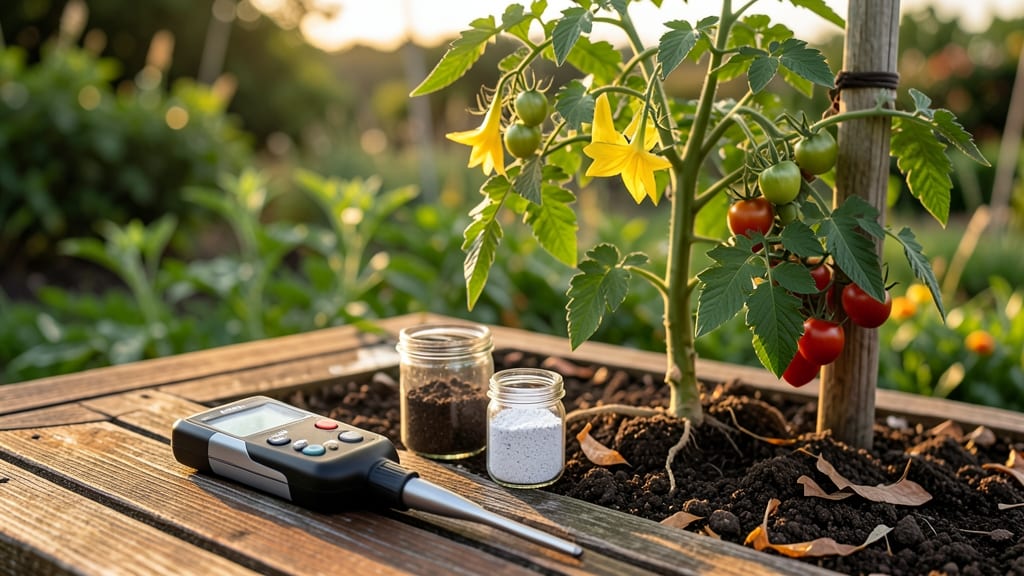
Tomato plants need soil with a pH level between 6.0 and 6.8 for optimal growth, as this range maximizes nutrient availability for strong roots and abundant fruit production.
Getting the soil pH right for tomato plants isn't just about following a number—it's about unlocking the nutrients your plants need to thrive. 🌱 When pH strays too high or low, essential minerals like iron and manganese become locked away, causing yellowing leaves or stunted growth even if you're fertilizing regularly.
I've seen firsthand how adjusting pH can transform a struggling tomato plant into a vigorous producer within weeks. The key is testing your soil annually, especially if you're growing in containers or heavy clay soil where pH can shift quickly.
For container gardens, I recommend using a simple liquid pH test kit since they're quick and accurate. If your soil tests too acidic (below 6.0), add crushed limestone to raise the pH gradually—it takes about 2-3 months to see full effects.
For alkaline soil (above 6.8), elemental sulfur works best, but it's slower to act. Pro tip: mix amendments into the top 6 inches of soil where most roots grow, and always water thoroughly after applying to help distribute them evenly.
💡 In This Article
- Why Soil pH Matters for Tomato Plant Nutrition
- Step-by-Step Guide to Testing and Adjusting Tomato Soil pH
Why soil pH matters for tomato plant nutrition
Soil pH directly controls how well tomato plants absorb essential nutrients, especially micronutrients like iron, manganese, and zinc. At pH 6.0-6.8, these minerals exist in forms that plant roots can uptake efficiently.
When pH rises above 7.0, iron becomes insoluble, causing yellowing leaves between veins—a condition called iron chlorosis. I’ve seen this firsthand in alkaline soils where tomatoes struggled despite regular fertilization. The roots simply couldn’t access the iron locked in the soil.
Tomato plants also rely on beneficial soil bacteria that thrive in this pH range. These microbes help break down organic matter into forms the plant can use, like nitrogen from compost. At pH 5.5 or lower, aluminum and manganese become toxic, damaging root tips and stunting growth.
The ideal pH ensures a balanced ecosystem where roots expand freely and nutrient uptake stays optimal throughout the plant’s life cycle—from seedling to fruiting stage.
Different growth stages demand slightly different pH attention. Seedlings prefer a slightly lower pH (6.0-6.5) to prevent fungal issues, while mature plants benefit from 6.5-6.8 for fruit development. The shift helps manage nutrient availability as the plant’s needs evolve.
For example, calcium (critical for preventing blossom-end rot) becomes more available at pH 6.5-7.0, so slight adjustments can prevent common tomato problems.
Visual clues like leaf discoloration or stunted stems often signal pH problems. Yellowing leaves with green veins? Likely iron deficiency from high pH. Purple stems or slow growth? Possible phosphorus deficiency, worsened by acidic soils.
Testing your soil annually—especially in containers where pH drops faster—lets you catch issues before they affect yield. A simple $10 test kit reveals whether your soil leans acidic or alkaline, guiding precise amendments.
Organic matter plays a surprising role too. Compost naturally buffers pH changes, keeping it stable around 6.5. Without it, pH swings can occur after rain or fertilization. For container growers, this means mixing 20-30% compost into potting soil to maintain balance.
The organic matter also feeds soil microbes, creating a self-regulating nutrient system that tomatoes love.
Here’s what happens when pH drifts: At pH 8.0+, boron and copper become scarce, leading to poor fruit set. Below pH 5.5, manganese toxicity can scorch leaves.
The sweet spot—6.0-6.8—ensures every nutrient is available when the plant needs it, maximizing both plant health and harvest quality. 🌿