
Plants
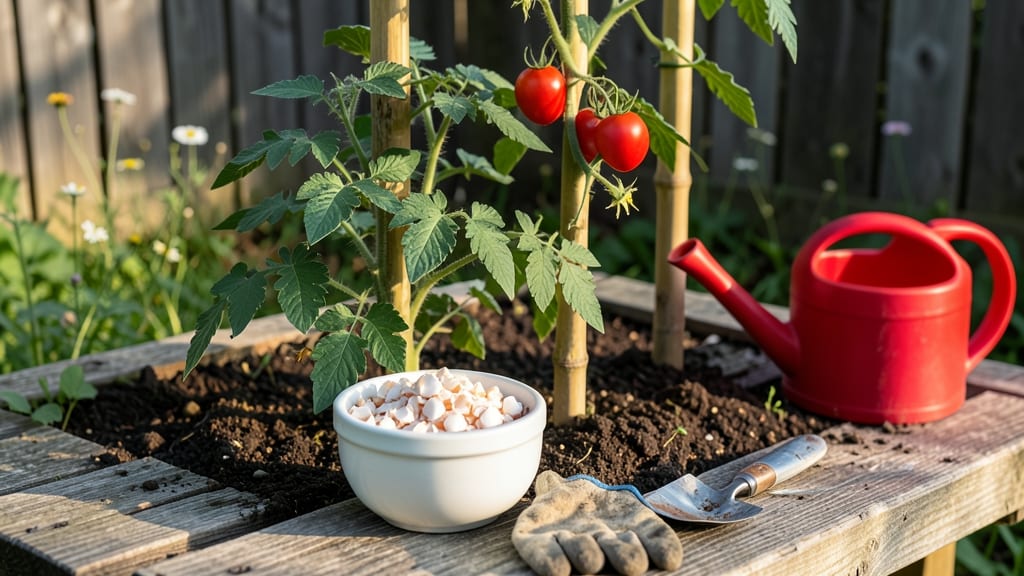
Tomato plants need calcium supplements to prevent blossom-end rot and keep fruit firm and healthy 🍅 — but the wrong type or timing can do more harm than good.
If your tomato plants are developing unsightly black bottoms on their fruit—blossom end rot—calcium deficiency could be the culprit. The right calcium supplements can save your harvest, but timing and dosage matter just as much as the product itself.
From crushed eggshells to calcium nitrate, there are plenty of ways to boost your tomatoes' calcium levels. Each method has its own benefits, whether you prefer organic or synthetic options, and knowing when to apply them makes all the difference.
In this guide, I’ll walk you through the best calcium sources, how to apply them safely, and the stage-specific dosages that keep your plants thriving without overloading the soil.
Best calcium supplements for tomato plants & how to choose them
Tomato plants need calcium for cell wall strength, but many garden soils lack sufficient levels. When your tomatoes develop blossom end rot, it’s often a sign of calcium deficiency. The challenge?
Not all calcium supplements work equally well. Organic options like eggshells or bone meal release calcium slowly, while synthetic calcium nitrate dissolves quickly but may disrupt soil pH if overused.
Choosing the right supplement depends on your growing conditions, soil type, and tomato variety. For example, dwarf varieties need less calcium than indeterminate heirlooms, which produce fruit continuously.
Below, we compare the top organic vs. synthetic options, their solubility, and how they interact with other nutrients like magnesium and potassium.
Organic supplements like eggshells or oyster shell are ideal for gardeners prioritizing long-term soil health. They release calcium gradually, reducing the risk of nutrient imbalance. However, they require advance preparation—baking eggshells at 200°F for 10 minutes kills bacteria and speeds up decomposition.
Synthetic options like calcium nitrate or calcium chloride are better for quick fixes, especially during flowering and fruiting stages. These dissolve instantly, making them perfect for foliar sprays or soil drenches when blossom end rot appears. Just be cautious: overapplying can raise soil acidity, harming root health.
For container-grown tomatoes, gypsum is a game-changer. It’s pH-neutral and improves soil structure in sandy or compacted soil. Mix 1-2 tablespoons per 5-gallon container at planting time. Pair it with a balanced fertilizer (like 5-10-10) to avoid magnesium deficiency, which can mimic calcium symptoms.
If your soil is already alkaline (pH > 7.0), avoid lime-based supplements like crushed limestone. Instead, opt for gypsum or calcium sulfate, which won’t alter pH. Test your soil every 2-3 years to monitor calcium levels—ideal ranges are 1,000–2,000 ppm for tomatoes.
Pro tip: Combine calcium with micronutrients like boron (1-2 ppm) to enhance uptake. Boron helps calcium move through plant tissues, preventing cracked fruit and stunted growth. Use a chelated boron supplement or add a pinch of borax (sparingly!) to your foliar spray.
Remember, prevention is key. Start supplementing at transplanting and continue through fru
Calcium dosage guide for tomato plants by growth stage
Tomato plants need calcium at every growth stage, but the right dosage and timing prevent problems like blossom-end rot. Calcium supports cell wall strength and nutrient uptake, so adjusting your approach based on your plant’s stage ensures healthy fruit development.
Let’s break down exactly how much and when to apply calcium supplements.
For seedlings, focus on preventive care—young plants are vulnerable to calcium deficiencies. Use low-concentration supplements (like diluted calcium nitrate) to avoid shocking tender roots. This stage is all about building a strong foundation for flowering and fruiting later in the season.
| Growth Stage | Recommended Calcium Source | Dosage (ppm) | Frequency | Signs of Over/Under |
|---|---|---|---|---|
| Seedling | Calcium nitrate (synthetic) or eggshell tea (organic) | 50-100 ppm | Biweekly (soil drench) | Under: Stunted growth Over: Leaf yellowing |
| Flowering | Calcium chloride or crushed oyster shell | 100-150 ppm | Weekly (foliar spray + soil) | Under: Blossom drop Over: Leaf curl |
| Fruiting | Gypsum (calcium sulfate) or lime | 150-200 ppm | Biweekly (soil only) | Under: Blossom-end rot Over: Root burn |
| Post-Harvest | Bone meal (organic) or calcium nitrate | 50-100 ppm | Monthly (preventative) | Under: Weak regrowth Over: Soil imbalance |
During the flowering stage, increase calcium to 100-150 ppm to support fruit set. This is when blossom-end rot often appears, so switch to a foliar spray (like calcium chloride) for faster absorption. Apply in the early morning to avoid leaf scorch from evaporation.
At the fruiting stage, maintain 150-200 ppm calcium using gypsum or lime—these are gentle on mature roots. Monitor for blossom-end rot (black spots on fruit) and adjust if needed. Over-application here can cause root burn, so stick to biweekly soil drenches.
After harvest, reduce calcium to 50-100 ppm for post-harvest care. Use bone meal or calcium nitrate monthly to prepare plants for dormancy. This stage is ideal for organic supplements, as they won’t disrupt soil balance before winter.
Watch for overapplication signs like leaf yellowing or curling—these mean you’re overdoing it. Underapplication shows as stunted growth or blossom-end rot. Adjust your dosage based on your tomato’s response, and always pair calcium with magnesium for balanced nutrition.