
Plants
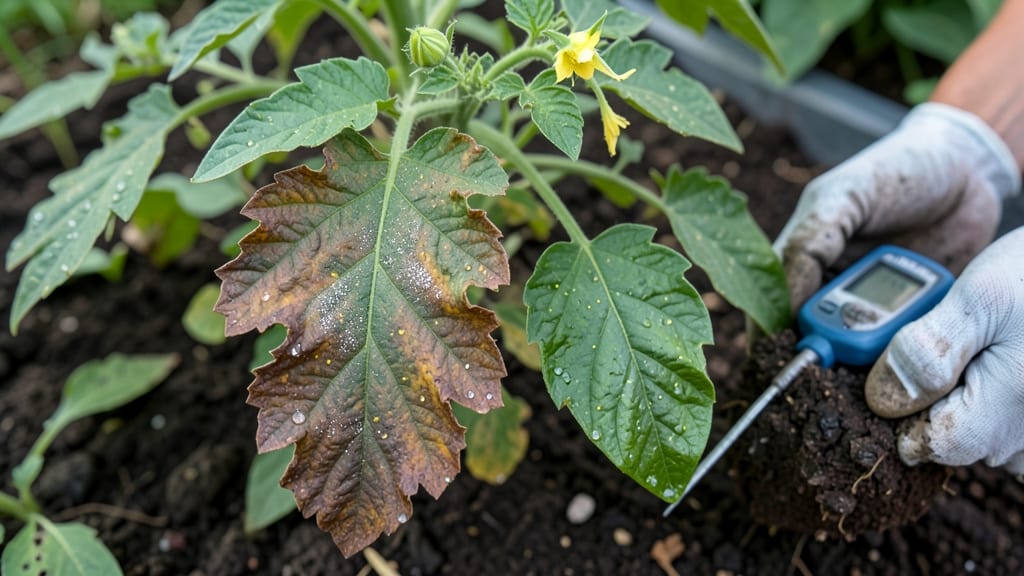
Your tomato plants' leaves turning brown isn't a death sentence—it's a call for action. 🌱 I've seen this happen with my own plants, and the fix depends on whether your roots are drowning or a fungus is moving in.
The first step is figuring out which problem you're dealing with before you can save your harvest.
Overwatering causes limp, yellowing leaves with brown edges, while fungal diseases like early blight create dark spots that spread upward. Check the soil first—if it's soggy, you're overwatering; if leaves have spots, it's likely a fungal attack. Either way, you can turn things around with the right adjustments.
For overwatering, let the top 2 inches of soil dry out between waterings and improve drainage. Fungal issues require pruning infected leaves, spacing plants for airflow, and applying copper fungicide. Both problems respond quickly when you act—don't wait until the whole plant looks like it's giving up.
Prevention is easier than cleanup: water at the base in the morning, rotate crops yearly, and remove plant debris. If brown leaves keep coming back after your fixes, it might be time to consult a local extension service—they can help rule out less common issues.
Root Causes Behind Brown Tomato Leaves
When your tomato plants’ leaves start turning brown, it’s often a distress signal from the roots—or a hidden threat lurking in the soil. Understanding the why behind this symptom is key to saving your harvest.
Below, we break down the most common culprits, from overzealous watering to sneaky pathogens, with clear science and actionable clues to identify each issue.
Why it happens: Tomato roots thrive in well-aerated, moist-but-not-soggy soil. When soil stays too wet—whether from excessive watering, compacted clay, or poor drainage—roots suffocate. Without oxygen, they can’t absorb nutrients efficiently, leading to brown, wilted leaves (often starting at the lower canopy). Overwatering also creates the perfect breeding ground for root rot, a fungal disease that cuts off water and nutrient flow.
Key signs to watch for:
- Yellowing leaves that eventually brown and crisp (like paper).
- Mushy, black roots when inspected (if you’re brave enough to dig).
- Soil that smells musty or sour (a red flag for rot).
- Leaves that stay limp even when watered (roots can’t support the plant).
💡 Pro Tip: Stick your finger 2 inches into the soil—if it’s damp, wait before watering. Tomato plants prefer 1–1.5 inches of water per week, delivered at the base (not overhead).
Why it happens: While overwatering is the usual suspect, drought stress can also trigger brown leaves—especially in hot, dry conditions. When soil dries out, roots struggle to pull up moisture, causing leaf edges to scorch and turn brown (a process called necrosis). High temperatures (above 90°F) further accelerate water loss through transpiration, leaving leaves crispy and brittle.
Key signs to watch for:
- Brown edges that feel dry and papery (like burnt toast).
- Leaves curling upward to reduce water loss.
- Soil that’s bone-dry 1–2 inches down.
- Wilting that improves after watering (unlike root rot, which doesn’t).
🔥 Quick Fix: Water deeply early in the morning (6–9 AM) to reduce evaporation. Mulch with straw or wood chips to retain moisture and protect roots from heat.
Why it happens: Fungi like early blight, late blight, or root rot (Phytophthora, Fusarium) love damp conditions and can turn tomato leaves brown in distinct patterns. Early blight, for example, causes concentric brown spots with yellow halos, while late blight (the infamous potato blight) creates oily, dark lesions that spread rapidly. Root-infecting fungi block water uptake, leading to wilting and browning from the bottom up.
Key signs by fungus:
| Fungus | Leaf Symptoms | Stem/Root Clues |
|---|---|---|
| Early Blight | Brown spots with target-like rings | Black streaks on stems |
| Late Blight | Dark, greasy spots (spreads fast!) | Soft, rotting stems |
| Root Rot | Yellowing → brown, mushy leaves | Black, smelly roots |
🎯 Prevention: Rotate crops, avoid overhead watering, and apply copper fungicide at the first sign of spots. Remove infected leaves immediately (don’t compost them!).
Why it happens: Tomato plants are nutrient hogs, especially for potassium, magnesium, and nitrogen. A deficiency in these minerals can cause brown leaves, often with tell-tale patterns:
- Potassium deficiency: Brown edges or tips (like a "scorched" look).
- Magnesium deficiency: Interveinal browning (between veins) on older leaves.
- Nitrogen deficiency: Pale yellowing (chlorosis) before browning sets in.
Key signs to watch for:
- Brown patches that start on older leaves (nutrients are pulled from them first).
- Slow growth or stunted plants.
- Soil that’s light-colored or sandy (lacks organic matter).
💪 Fix It: Feed your plants with a balanced fertilizer (like 10-10-10) or Epsom salt (for magnesium). For organic growers, compost tea or banana peels (for potassium) work wonders.
Why it happens: Sap-sucking pests like aphids, spider mites, and whiteflies weaken tomato plants by draining nutrients and injecting toxins. Their damage causes leaves to yellow, then brown and crisp, often with stippling (tiny white dots) or webbing. Severe infestations can lead to premature leaf drop.
Key signs to watch for:
- Sticky residue (honeydew) on leaves (aphids’ calling card).
- Fine webbing (spider mites).
- White, fluffy clusters (whiteflies).
- Brown leaves that fall off easily.
🔪 Pest Control: Blast pests off with a strong spray of water, or use neem oil or insecticidal soap. Introduce ladybugs or lacewings for natural predators.
Why it happens: Tomatoes are sensitive to extremes—whether it’s scorching sun, freezing temps, or chemical burns from fertilizers. Salt buildup (from tap water or over-fertilizing) can also cause brown, crispy leaf edges, while windburn (drying winds) leads to scorched-looking browning.
Key signs to watch for:
- Brown patches on exposed leaves (windburn).
- Bleached or white-tipped leaves (salt burn).
- Sudden wilting after a heatwave or frost.
✨ Solutions:
- Shade cloth for extreme heat.
- Move pots to shelter during windstorms.
- Flush soil with rainwater to reduce salt buildup.
- Avoid fertilizing in peak summer heat (roots can’t absorb it).
Quick Fixes for Healthy Tomato Leaves
Now that you’ve identified why your tomato plant’s leaves are turning brown—whether from overwatering, fungal infections, pests, or nutrient deficiencies—it’s time to take action. 🌱 The good news?
Most issues can be reversed with the right care. Below, we’ve broken down practical, step-by-step solutions tailored to each cause, plus prevention tips to keep your plants thriving.
Brown, mushy leaves or yellowing edges? Your tomatoes might be drowning. Here’s how to rescue them:
🔥 Step 1: Adjust Your Watering Routine
- Water deeply but less often—tomatoes prefer 1–1.5 inches of water per week (including rain). Let the top 1–2 inches of soil dry out between waterings.
- Water at the base, not overhead.
Wet leaves encourage fungal diseases and dilute nutrients. - Use the finger test: Stick your finger 2 inches into the soil. If it’s damp, wait. If dry, water thoroughly.
🍳 Step 2: Improve Soil Drainage
- Aerate compacted soil by gently loosening it around the roots with a fork (avoid damaging roots).
- Amend heavy clay soil with compost, perlite, or coarse sand to improve drainage.
- Raise containers if using pots—ensure they have drainage holes and elevate them slightly to prevent soggy roots.
👨🍳 Step 3: Prune Affected Leaves
- Snip off brown, mushy leaves with sterilized scissors (dip in rubbing alcohol first).
- Focus on lower leaves—they’re most prone to rot and can spread issues upward.
⏰ Prevention Tips
- Mulch around plants with straw or wood chips to retain moisture without suffocating roots.
- Avoid watering in the evening—wet leaves overnight invite fungal growth.
- Check your pots—if they’re too small, roots get crowded and waterlogged. Upgrade if needed!
Spotting brown spots, yellowing, or powdery white growth? Fungi like early blight, late blight, or powdery mildew are likely the culprits. Act fast!
🔥 Step 1: Remove Infected Plant Debris
- Pull up and discard severely infected leaves (don’t compost them—they’ll reinfect your garden).
- Clean up fallen leaves around the base of the plant.
🍳 Step 2: Apply Fungicidal Sprays - Baking soda spray (natural option): Mix 1 tsp baking soda + 1 tbsp oil + 1 tsp mild soap in 1 gallon of water.
Spray every 7–10 days. - Neem oil (organic fungicide): Spray weekly at dusk (it’s less harmful to bees). - Copper fungicide (chemical option): Follow label instructions for preventative sprays.
👨🍳 Step 3: Improve Air Circulation
- Space plants 18–24 inches apart to reduce humidity buildup.
- Prune suckers and lower leaves to allow airflow.
- Avoid overhead watering—use a drip irrigation system instead.
⏰ Prevention Tips
- Rotate crops—never plant tomatoes (or nightshades like peppers) in the same spot two years in a row.
- Plant resistant varieties like ‘Mountain Merit’ or ‘Defiant PhR’ if fungi are a recurring issue.
- Water early in the day so leaves dry quickly.
Chewing insects, aphids, or spider mites can stress tomato plants, leading to brown, crinkled, or spotted leaves.
🔥 Step 1: Identify & Remove Pests
- Handpick large pests (like tomato hornworms) and drop them in soapy water.
- Blast off aphids with a strong stream of water from a hose.
- Use yellow sticky traps to catch whiteflies and aphids.
🍳 Step 2: Apply Natural Repellents
- Insecticidal soap (for soft-bodied pests like aphids, mites).
- Spinosad (organic pesticide for caterpillars and beetles).
- Diatomaceous earth (food-grade powder) around the base to deter crawling pests.
👨🍳 Step 3: Encourage Beneficial Insects
- Plant companion flowers like marigolds or basil to attract ladybugs and parasitic wasps.
- Release lacewings or nematodes (sold at garden centers) for long-term pest control.
⏰ Prevention Tips
- Inspect plants weekly—catch infestations early!
- Remove weeds—they harbor pests and diseases.
- Use row covers for young plants to block flying insects.
Brown, crispy edges or yellowing between veins? Your tomatoes might be thirsty for nutrients.
🔥 Step 1: Test Your Soil
- Grab a soil test kit (or send a sample to your local extension office) to check pH and nutrient levels.
- Tomatoes thrive in slightly acidic soil (pH 6.0–6.8).
🍳 Step 2: Fertilize Correctly
- For nitrogen deficiency (yellow lower leaves): Apply a balanced fertilizer (10-10-10) or compost tea.
- For potassium deficiency (brown leaf edges): Use a banana peel tea (steep peels in water for 24 hours) or wood ash (sprinkle lightly).
- For magnesium deficiency (yellow patches between veins): Sprinkle Epsom salt (1 tbsp per gallon of water) and water the soil.
👨🍳 Step 3: Mulch & Water Smartly
- Mulch with compost to slowly release nutrients.
- Water consistently—nutrient uptake drops when soil is too dry or waterlogged.
⏰ Prevention Tips
- Side-dress plants with compost halfway through the season for a nutrient boost.
- Avoid over-fertilizing—too much salt can burn roots!
- Rotate crops to prevent nutrient depletion in the soil.
Too much sun, heat, or cold can cause leaves to brown and crisp.
🔥 Step 1: Protect from Extreme Heat
- Provide afternoon shade with a shade cloth (30–50%) if temps exceed 90°F (32°C).
- Mulch heavily to keep roots cool.
🍳 Step 2: Shield from Cold Snaps
- Use row covers or frost blankets for young plants.
- Move potted tomatoes to a sheltered spot overnight if frost is forecasted.
👨🍳 Step 3: Monitor Humidity
- Brown, papery leaves? Your tomatoes might be too dry. Increase humidity with a pebble tray under pots.
- Yellowing leaves in heat? Mist leaves lightly in the early morning (avoid evening misting to prevent fungi).
⏰ Prevention Tips
- Choose heat-tolerant varieties like ‘Heatmaster’ or ‘Solar Fire’ for hot climates.
- Hardening off seedlings gradually before transplanting to prevent shock.
- Water deeply in heatwaves to help plants regulate temperature.
- 💡 Keep a garden journal—track watering, fertilizing, and pest issues to spot patterns.
- ✨ Rotate crops yearly to prevent soil-borne diseases from building up.
- 🌡️ Use a moisture meter to avoid over/under-watering guesswork.
- 🔥 Sterilize tools between plants to prevent spreading diseases.
With these fixes, your tomato plants should bounce back in 1–2 weeks (or less for mild issues). Stay consistent with care, and you’ll be rewarded with juicy, healthy tomatoes all season long! 🍅😊
Frequently asked questions about tomato leaves turning brown
Why are my tomato leaves turning brown only at the edges?
This is often a sign of underwatering or nutrient deficiency. When soil dries out too much, roots can't absorb enough water, causing leaf edges to scorch and turn brown. Check if the soil is bone-dry 2 inches down—if so, water deeply at the base. It could also indicate potassium deficiency (common in sandy soils), which causes brown tips. Try a banana peel tea or Epsom salt solution to boost potassium levels.
How can I tell if my tomato plant is overwatered vs. infected with fungus?
Overwatered plants show yellowing leaves that turn brown and crispy, often starting at the bottom, with mushy roots when inspected. Fungal infections (like early blight) create distinct brown spots with yellow halos that spread upward. Check the soil: if it's soggy and smells musty, you're overwatering. If you see spots with a fuzzy growth, it's likely fungus—remove infected leaves immediately and apply copper fungicide.
Will pruning brown leaves help my tomato plant recover?
Yes! Pruning brown, diseased, or damaged leaves improves airflow and prevents further spread of issues. Use sterilized scissors to snip leaves 1/4 inch above a healthy leaf or stem. Focus on lower leaves first, as they're most prone to rot. Just don't remove more than 1/3 of the plant's foliage at once—too much pruning stresses the plant. Always remove pruned leaves from the garden (don't compost them if diseased).
Can I save my tomato plant if most leaves are already brown?
It depends on the cause. If the issue is overwatering or nutrient deficiency, the plant can often recover with proper care. Adjust your watering routine and fertilize appropriately. However, if fungal diseases like late blight have spread extensively, the plant may not recover. Look for new green growth—this indicates the plant is still alive. Remove all brown leaves, improve growing conditions, and monitor closely. If no new growth appears after 2 weeks, it may be time to replace the plant.
How often should I fertilize tomato plants to prevent brown leaves?
Feed tomato plants every 2–3 weeks during the growing season with a balanced fertilizer (10-10-10). Start when flowers appear and stop 4–6 weeks before harvest to avoid bitter fruit. For organic options, use compost tea or fish emulsion. Brown leaves often signal nutrient issues—if you see yellowing between veins, it's likely a magnesium deficiency (try Epsom salt). Always water thoroughly after fertilizing to prevent root burn.