
Planting
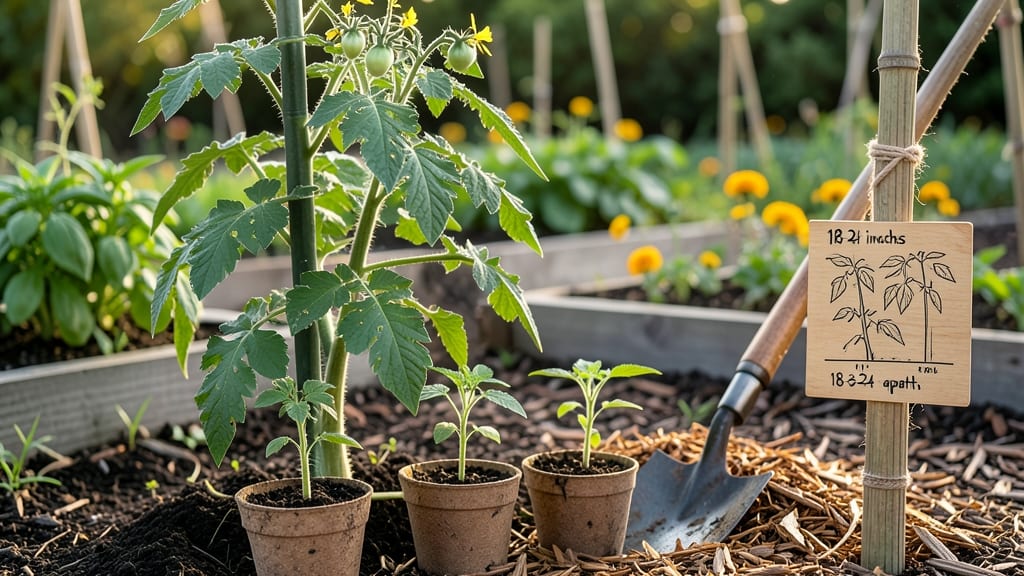
Timing your tomato planting right ensures a thriving 🍅 harvest—whether you're starting seeds indoors or transplanting outdoors.
Picture this: you’ve spent weeks nurturing seedlings, only to watch them wilt under a surprise frost or bolt in scorching heat. The difference between success and disappointment often comes down to knowing exactly when to plant in your USDA zone.
From the frost-free dates in Zone 3 to the extended growing seasons in Zone 10, this guide breaks down the optimal planting windows for your region—plus soil prep tips and spacing tricks to maximize your yield.
Whether you’re a first-time gardener or a seasoned grower, you’ll learn how to adjust timing for early harvests, late seasons, and even container gardening—so you can enjoy homegrown tomatoes from July through October.


USDA zones chart for tomato planting: when to start indoors vs. outdoors
Timing your tomato planting correctly ensures healthy growth and maximum yield, but it varies dramatically by USDA zone. Tomatoes thrive in warmth, so understanding your frost-free dates and heat tolerance thresholds is key.
Whether you're growing heirloom varieties or hybrid tomatoes, getting the timing right means the difference between a thriving vine and a failed crop.
In cooler USDA zones 3-5, tomatoes often start indoors 8-10 weeks before the last frost, while zones 6-10 may allow direct sowing or earlier transplants. Soil temperature is just as critical—tomatoes need 60°F (15°C) soil to germinate and grow.
Let’s break down the ideal planting windows for each zone, including when to start seeds indoors and when to transplant outdoors.
| USDA Zone | Last Frost Date | Indoor Start (Weeks Before Last Frost) | Outdoor Transplant | Heat Tolerance | Best Varieties |
|---|---|---|---|---|---|
| Zones 3-4 | Mid-May to Early June | 8-10 weeks | After June 1 | Moderate (needs protection from late frosts) | Early Girl, Stupice, Glacier |
| Zone 5 | Early to Mid-May | 6-8 weeks | After May 15 | Moderate (short season) | Brandywine, Cherokee Purple, Roma |
| Zone 6 | Mid-April to Early May | 4-6 weeks | After April 30 | Good (longer season) | Sungold, Beefsteak, Celebrity |
| Zone 7 | Early April | 3-5 weeks | After April 1 | High (handles heat well) | Cherokee Warrior, Early Girl, Better Boy |
| Zones 8-9 | Mid-February to March | 2-4 weeks (or direct sow) | After February 15 | Very High (long growing season) | Heatmaster, Solar Fire, Black Krim |
| Zone 10 | Year-round (no frost) | Direct sow anytime | Plant in fall/winter for spring harvest | Extreme (heat-loving) | Solar Fire, Heatmaster, Sun Gold |
In USDA zones 3-5, where frost lingers late, starting tomato seeds indoors 8-10 weeks before your last frost date is essential. Heirloom varieties like Stupice or Glacier tolerate cooler temperatures better than hybrids, making them ideal for shorter seasons.
Use grow lights or a sunny windowsill to keep seedlings strong until transplanting after the last frost.
For zones 6-7, you can start seeds indoors 4-6 weeks before your last frost or even direct-sow after soil warms to 60°F (15°C). Hybrid varieties like Celebrity or Sungold thrive in these zones, offering faster maturity and higher yields.
If you’re in zone 6, aim to transplant by late April to maximize your growing season.
In warmer zones 8-10, tomatoes can be direct-sown as early as February, and some gardeners even plant in fall for winter harvests. Heat-tolerant varieties like Heatmaster or Solar Fire are perfect for these regions, as they handle 90°F+ temperatures without stress.
In zone 10, you can grow tomatoes year-round with proper watering and shade during peak heat.
One common mistake is transplanting too early, which exposes young plants to cold soil and frost damage. Always wait
Exact tomato planting dates by region: a state-by-state guide
Getting your tomato planting time right depends on your last frost date and soil temperature. In the Northern states, you'll wait until after the last frost, while Southern gardeners can plant earlier—sometimes even in February or March.
Let's break down the best tomato planting dates for 15 key U.S. regions to maximize your harvest.
Tomatoes thrive when soil reaches 60°F (15°C)—this is your golden rule. Use a soil thermometer to check before planting. In cooler climates, start seeds 6-8 weeks indoors before the last frost. For warmer zones, you can direct-sow as early as February if frost isn't a concern.
Key factors to consider:
- Last frost date (check your local USDA zone)
- Soil temperature (must be ≥60°F)
- Day length (longer days = faster growth)
- Variety type (heirlooms need more warmth)
In Southern states like Florida and Texas, you can plant tomatoes as early as February—but watch for heat stress in late spring. Use shade cloth or drip irrigation to protect plants when temperatures exceed 90°F (32°C).
For Northern regions like Minnesota or New York, start seeds indoors in March and