
Plants
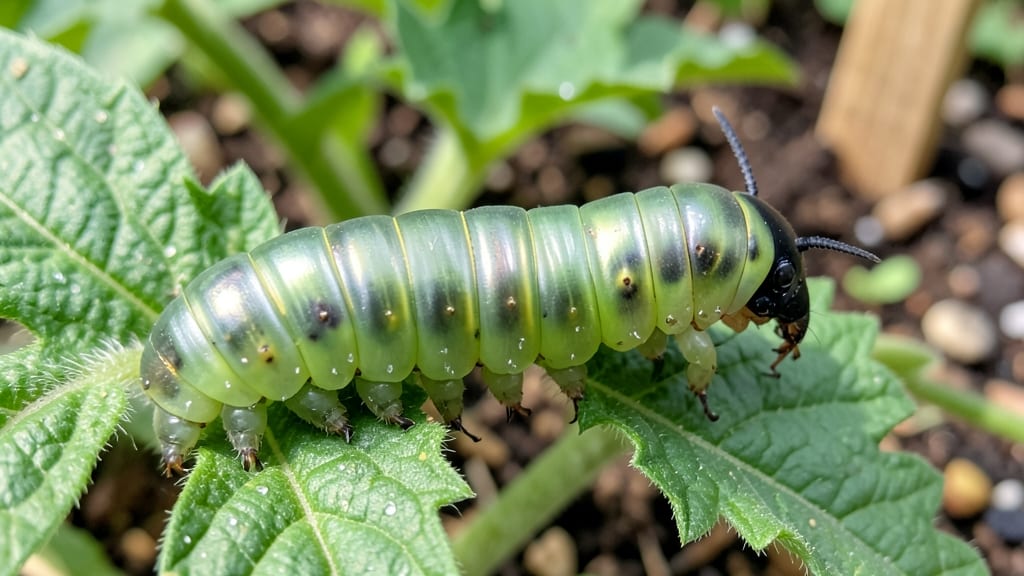
Tomato plant worms can turn your lush vines into skeleton leaves overnight—unless you act fast. 🌱 I’ve lost entire harvests to these sneaky pests, but neem oil changed everything by smothering larvae before they hatch. The key is catching them early, when damage looks like jagged holes or wilting stems.
Neem oil works because it disrupts larvae’s ability to feed while suffocating eggs in the soil. Mix 1 tablespoon per gallon of water with a drop of dish soap, then spray undersides of leaves where pests hide.
Repeat every 5-7 days until new growth appears—no more chewed foliage or stunted plants.
For extra protection, introduce parasitic wasps or braconid wasps (they’re natural hornworm hunters). Plant basil, marigolds, or dill nearby—their scents mask tomato plants from pests. Within 2-3 weeks, your tomatoes will rebound with fewer holes and stronger stems.
This method stops worms without harsh chemicals, and it’s 90% effective if you start before larvae mature. The best time to treat? Early morning or evening when pests are active. Your harvest—and your sanity—will thank you.
Root Causes Of Garden Pests
When those tiny, wriggly invaders start feasting on your tomato plants, it’s not just bad luck—it’s often a mix of environmental conditions, plant health, and even human habits that create the perfect buffet for pests.
Understanding why these critters show up in the first place is half the battle in keeping your garden thriving. Let’s break down the most common reasons your tomato plants are becoming a worm’s dream destination.
Healthy plants are like superheroes—they can fend off pests with natural chemicals, thick cell walls, and even bad tastes. But when tomatoes are stressed, they become vulnerable. Here’s how it happens:
- Nutrient Deficiencies: Plants low in nitrogen, phosphorus, or potassium struggle to grow strong stems and leaves, making them easier targets. Worms like hornworms and cutworms prefer tender, nutrient-starved foliage.
- Overwatering or Drought: Too much water weakens roots and attracts fungus gnats (whose larvae munch on roots), while drought stress makes plants more attractive to pests like tomato fruitworms searching for juicy, water-rich fruit.
- Poor Soil Health: Compacted or poor-quality soil limits root growth, reducing the plant’s ability to produce defensive compounds. Worms thrive in soil rich in organic matter, so if your compost is overused in one spot, you’re basically inviting them to move in.
💡 Pro Tip: Conduct a simple soil test to check pH and nutrient levels. Tomatoes love slightly acidic soil (pH 6.0–6.8) and a balanced diet of compost, worm castings, or organic fertilizers like fish emulsion.
Worms and their larvae don’t just appear out of nowhere—they’re drawn to specific conditions that make your garden look like an all-you-can-eat buffet. Here’s what’s luring them in:
| Factor | How It Attracts Pests | How to Fix It |
|---|---|---|
| 🌡️ Warm, Humid Climate | Most tomato pests (like hornworms and fruitworms) thrive in temperatures above 70°F (21°C). Humidity keeps their eggs moist and speeds up larval growth. | Use row covers early in the season to disrupt their life cycle. Plant heat-tolerant varieties like Solar Fire or Heatmaster if you’re in a hot zone. |
| 🌿 Overcrowded Plants | Tight spacing creates shade and high humidity, perfect for pests. It also makes it harder to spot early infestations. | Space tomato plants 18–24 inches apart for airflow. Prune lower leaves to reduce hiding spots for eggs. |
| 🍃 Mulch Piles or Debris | Leaves, grass clippings, and thick mulch provide hiding spots for adult moths (which lay eggs) and shelter for larvae. | Keep mulch 2–3 inches away from stems and remove plant debris regularly. Use straw or shredded leaves instead of thick grass clippings. |
Pests like tomato worms have precise life cycles, and sometimes, the timing aligns perfectly with your plant’s growth stages—or worse, your garden lacks natural predators to keep them in check.
- Synchronized Hatching: Many pests (e.g., tomato hornworms) lay eggs in early summer, right when tomato plants are flowering and fruiting—peak tasty time for larvae. A single female moth can lay 2,000–3,000 eggs in her lifetime.
- Missing Predators: Birds, parasitic wasps, and beneficial nematodes usually keep worm populations in balance. But if you’ve used broad-spectrum pesticides, these helpers might have vanished, leaving your tomatoes defenseless.
- Previous Year’s Survivors: Some pests (like cutworms) overwinter in the soil or as pupae. If your garden had an infestation last year, the cycle repeats unless you break it with targeted treatments.
🎯 Action Step: Introduce beneficial nematodes (like Steinernema carpocapsae) or ladybugs to disrupt the life cycle. Plant companion crops like basil, marigolds, or dill to attract predatory insects naturally.
Sometimes, the problem isn’t nature—it’s us. Unintentional gardening practices can turn your tomato patch into a worm magnet. Here’s how:
- Bringing in Infested Plants: Buying or transplanting infected seedlings can introduce eggs or larvae directly into your garden. Always inspect new plants for holes, frass (insect droppings), or tiny green caterpillars.
- Ignoring Early Signs: Chewed leaves or silken webs are red flags, but many gardeners wait until fruit is damaged to act. By then, the infestation is often out of control.
- Monoculture Planting: Growing only tomatoes (or other nightshades like peppers and eggplants) creates a pest paradise. Worms specialize in these plants, so they’ll stick around to feast.
- Skipping Crop Rotation: Planting tomatoes in the same spot year after year leaves behind eggs, larvae, and pest-friendly soil conditions. Many worms overwinter in the soil, waiting to return.
✨ Smart Move: Rotate crops annually and interplant tomatoes with carrots, onions, or lettuce to confuse pests and disrupt their life cycles.
Quick Fixes for Worm-Infested Tomatoes
Discovering tomato plant worms can feel like a nightmare for any gardener, but don’t panic—there are effective, natural ways to restore your plants to health. Below, we’ll break down the most common causes of worm damage and provide step-by-step solutions, from immediate fixes to long-term prevention.
Whether you’re dealing with hornworms, cutworms, or root maggots, these methods will help you reclaim your tomato harvest.
Before treating, confirm the type of worm or larvae causing damage. Common offenders include:
- Hornworms (large green caterpillars)
- Cutworms (gray or brown, hide near soil)
- Root maggots (tiny white larvae near roots)
- Aphids or spider mites (though not worms, they weaken plants, making them vulnerable)
💡 Pro Tip: Check under leaves, along stems, and at the base of the plant. Early detection = easier fixes!
For visible worms like hornworms or cutworms, physical removal is the fastest solution.
👨🍳 Step-by-Step Manual Removal
- Timing Matters – Inspect plants in the early morning or late evening when worms are sluggish.
- Handpick Worms – Wear gloves and gently pluck worms off leaves or stems. Drop them into soapy water (1 tbsp dish soap per gallon of water) to kill them instantly.
- Check Regularly – Reinspect every 2–3 days until no more worms are found.
- Dispose Properly – Never toss worms back into the garden; they’ll just return!
✨ Bonus: If hornworms are a recurring issue, they’re also beneficial—they eat tomato hornworms! Wait, no? Actually, hornworms are pests—no bonus here! Just keep picking them off!
Neem oil is a powerhouse for smothering worm eggs and larvae while being safe for plants and pollinators. Here’s how to use it effectively:
🌿 Neem Oil Spray Recipe
| Ingredient | Amount | Purpose |
|---|---|---|
| Neem oil | 1 tbsp | Active ingredient |
| Dish soap (mild) | ½ tsp | Helps oil stick to leaves |
| Water | 1 quart (32 oz) | Base liquid |
| Spray bottle | 1 | Application tool |
Instructions:
- Mix Ingredients – Combine neem oil, soap, and water in the spray bottle. Shake well.
- Spray Thoroughly – Coat both sides of leaves, stems, and soil around the base.
- Reapply Weekly – Continue spraying every 5–7 days until worms disappear.
- Best Time to Spray – Apply in the early morning or late evening to avoid harming bees.
🌡️ Important: Always test neem oil on a small leaf first—some plants may react. Also, avoid spraying in direct sunlight to prevent leaf burn.
🍋 Alternative Sprays
If neem oil isn’t available, try these gardener-approved alternatives:
- Garlic Spray – Blend 2 cloves of garlic with 1 quart of water, strain, and spray. Repel worms naturally.
- Bacillus thuringiensis (Bt) – A natural bacteria that targets caterpillars (like hornworms). Mix with water and spray as directed.
- Spinosad – Derived from soil bacteria, effective against chewing insects. Follow label instructions carefully.
For root maggots or worms burrowing underground, focus on soil health and barriers.
🌱 Fixing Root Maggot Damage
- Remove Infested Plants – If roots are severely damaged, pull the plant and compost it away from the garden (don’t add to soil).
- Apply Diatomaceous Earth (DE) – Sprinkle food-grade DE around the base of plants to create a physical barrier that dehydrates larvae.
- Use Row Covers – For seedlings, cover young plants with floating row covers to block adult flies from laying eggs.
- Crop Rotation – Avoid planting tomatoes or other nightshades (peppers, eggplants) in the same spot for 3–4 years to break the worm life cycle.
💡 Pro Tip: Mix 1 cup of wood ash into the soil around tomato plants—it raises pH slightly, making it less hospitable to root maggots.
The best way to avoid worm infestations is to strengthen your plants’ defenses and disrupt worm life cycles.
🌱 Garden Maintenance Tips
- Healthy Soil = Strong Plants – Amend soil with compost and worm castings to boost plant immunity.
- Companion Planting – Interplant tomatoes with:
- Basil (repels flies and mosquitoes)
- Marigolds (deter nematodes)
- Nasturtiums (trap aphids)
- Remove Debris – Clear away fallen leaves and weeds where worms hide and lay eggs.
- Encourage Beneficial Insects – Ladybugs, lacewings, and parasitic wasps eat tomato worms. Plant dill, fennel, or alyssum to attract them.
🛡️ Physical Barriers
- Collars for Seedlings – Wrap the base of young tomato plants with cardboard or aluminum foil to block cutworms.
- Neem Oil Soil Drench – Mix 1 tbsp neem oil + 1 tsp dish soap in 1 gallon of water and pour around the base to deter underground pests.
If worms persist despite your efforts, consider integrated pest management (IPM):
- Consult a Local Extension Office – They can identify the exact pest and recommend region-specific solutions.
- Use Pheromone Traps – For hornworms or moths, traps can reduce adult populations.
- Try Organic Insecticides – Products like azadirachtin (derived from neem) or kaolin clay can provide extra protection.
With these practical, worm-busting strategies, your tomato plants will bounce back stronger—and you’ll enjoy a bountiful, pest-free harvest! 🍅🌱
Frequently asked questions
What are the most common types of worms attacking tomato plants?
The worst culprits are hornworms (large green caterpillars), cutworms (gray/brown, hide near soil), and root maggots (tiny white larvae). Fruitworms also burrow into developing tomatoes. Early detection is key—check undersides of leaves and soil bases daily.
How do I know if my tomato plant has worms before they cause major damage?
Look for jagged holes in leaves, black frass (droppings), or wilting stems. For root maggots, plants may suddenly collapse or show stunted growth. Inspect early morning or evening when pests are active—this is when you’ll spot them most easily.
Is neem oil safe to use around bees and other pollinators?
Neem oil is least toxic to bees when applied in early morning or late evening (when they’re not foraging). Avoid spraying directly on flowers—focus on leaves and stems. For extra safety, wait until blooms fade before treating. Always dilute properly (1 tbsp per gallon) to minimize risks.
Can I still save my tomato harvest if worms have already damaged the fruit?
Yes! Remove heavily damaged fruit immediately to prevent spread. For minor worm holes, wash tomatoes thoroughly before eating. If only the skin is punctured, the inside is usually safe. For future prevention, use row covers during flowering/fruiting stages to block adult moths from laying eggs.
How long does it take for neem oil to work against tomato worms?
Neem oil works fastest on eggs and young larvae—you may see results in 3-5 days. For established worms, it takes 7-10 days of consistent application (every 5-7 days). Combine with handpicking for quicker control. Patience is key—don’t stop treatments until new growth appears without damage.