
Light Requirements
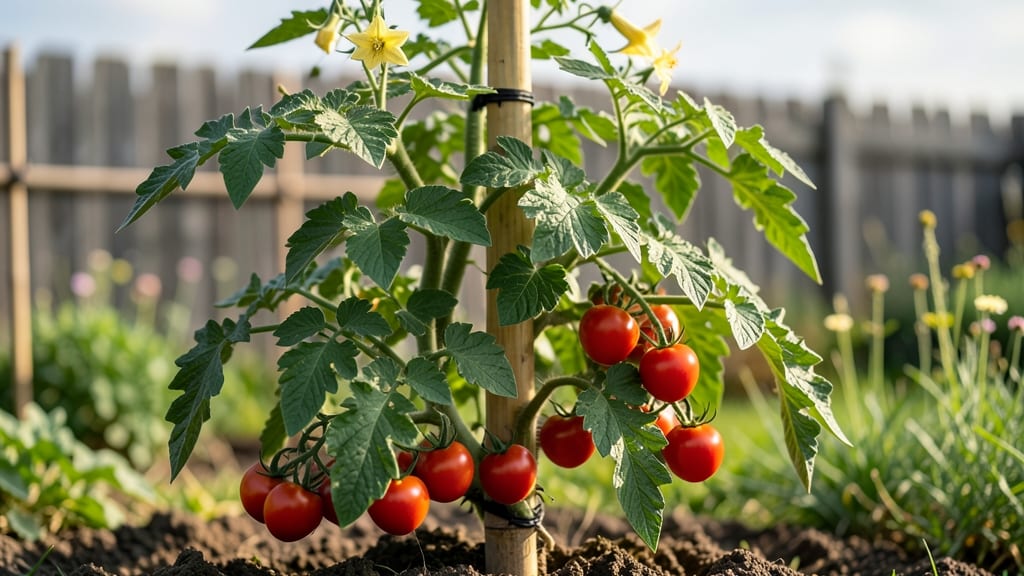
Understanding the tomato plant sun requirements is key—your plants need full sun exposure (at least 6 to 8 hours of direct sunlight daily) to thrive and produce juicy, flavorful fruit 🍅.
But here’s the catch: too much sun too soon can scorch young seedlings, while mature plants need just the right balance to avoid stress. If your tomatoes are struggling—yellowing leaves, weak stems, or poor fruit set—it’s often a sunlight puzzle.
In this guide, I’ll break down the exact sun requirements for each growth stage, from seedlings to fruiting, plus how to adjust for your climate or container setup. You’ll learn how to spot sunlight problems early and fix them before your harvest suffers.
By the end, you’ll know how to give your tomato plants the perfect light recipe—no guesswork, just bigger yields and happier vines.


Tomato plant sun requirements by growth stage: full sun vs. partial shade needs
Tomatoes are sun-worshippers, but their sunlight needs change dramatically from seedling to fruiting stage. Seedlings need gentle shade to prevent scorching, while mature plants crave 6-8 hours of direct sun daily.
Understanding these shifts is key to avoiding stunted growth or sunburned leaves. Let’s break down the ideal light exposure at every phase of your tomato’s life cycle.
Many gardeners make the mistake of treating all tomato stages the same—either keeping seedlings in full sun or moving mature plants to shade. Seedlings need 3-4 hours of filtered light to avoid stress, while flowering plants require 8+ hours of full sun for fruit set. Climate zones and container growing add extra layers to these needs, so we’ll cover those too.
Here’s the sunlight rulebook for tomatoes, from sprout to harvest:
During the seedling stage, tomatoes are delicate and can’t handle intense sunlight. Direct sun causes their leaves to turn white or crispy—a condition called sunburn. I’ve seen this happen when gardeners place seedlings in a sunny windowsill or outdoor spot without gradual acclimation.
Instead, start with 3-4 hours of morning sun or use shade cloth to filter light.
When transplanting, the shift to full sun should be gradual. Hardening off your seedlings over 7-10 days by exposing them to increasing sunlight helps them adjust. Sudden full sun can lead to transplant shock, where leaves wilt or turn yellow.
I recommend moving seedlings to their permanent spot in the late afternoon for the first few days, then gradually increasing their exposure.
Once your tomatoes are established, they thrive on 6-8 hours of full sun daily. This is when they enter their vegetative growth phase, producing lush foliage. Pruning lower leaves during this stage improves air circulation and reduces disease risk.
In hot climates, afternoon shade (especially between 3-5 PM) can prevent blossom drop and fruit scorch.
For flowering and fruiting, the sun requirement jumps to 8+ hours. This is non-negotiable for fruit set and sweetness development.
In my garden, I’ve noticed that tomatoes exposed to morning sun (with afternoon shade in hot zones) produce the best yields. Evening sun can lead to overheating and poor pollination.
Container growers face unique challenges because pots can overheat or limit root access to sunlight. Rotate your containers every few days to ensure even sun exposure.
If your balcony only gets partial sun, choose determinate varieties like 'Roma' or 'Celebrity,' which tolerate slightly less light than indeterminate types like 'Sungold' or 'Beefsteak.'
In cloudy climates, supplemental lighting can make a huge
How to tell if your tomato plants aren’t getting enough sun (and how to fix it)
If your tomato plants look weak or aren’t producing fruit, sunlight might be the culprit. Too little light causes stunted growth and pale leaves, while too much can lead to sunburned foliage and blossom drop. Understanding these signs helps you adjust care before it’s too late.
First, observe your plants during the day. Healthy tomato plants should have deep green leaves facing the sun, while struggling plants often show yellowing lower leaves or weak stems. Even 6-8 hours of direct sunlight is non-negotiable for optimal fruit production.
⚠️ WARNING: Common Misdiagnosis Tomato plants often get blamed for pests or disease when the real issue is sunlight imbalance. Under-sunlight symptoms like slow growth and small leaves mimic nutrient deficiencies, while over-sunlight causes white or brown leaf patches and dropped flowers. Here’s how to spot the difference:
⚠️ Sunlight Symptoms Checklist
- 🌱 Pale or yellow leaves (starting at bottom)
- 🌱 Leggy, weak stems (reaching for light)
- 🌱 Small, sparse leaves (slow growth)
- 🌱 Poor fruit set (few or no tomatoes)
- 🔥 White or brown leaf patches (sunburn)
- 🔥 Curling or crispy leaf edges
- 🔥 Blossom drop (flowers fall off)
- 🔥 Bitter-tasting fruit (from stress)
To fix under-sunlight issues, move plants to a sunnier spot or use reflective surfaces like white mulch or mirrors to bounce light onto leaves. For container-grown tomatoes, rotate pots weekly to ensure even exposure. Prune lower leaves to improve airflow and light penetration to the fruit-bearing zone.
If your plants show sunburn signs, provide afternoon shade with shade cloth (30-50%) or dappled shade from nearby trees. Avoid pruning heavily during peak sun hours, as this increases stress. Water deeply in the morning to help plants recover and reduce heat stress.
For urban gardeners with limited space, consider vertical trellises to maximize sunlight exposure. Place taller plants to the north of shorter ones to prevent shading. If you’re in a high-heat climate, opt for heat-tolerant varieties like ‘Solar Fire’ or ‘Heatmaster’ to improve resilience.
Regularly check your plants’ sunlight exposure by using a sunlight tracker app or observing shadows at different times of day. Adjust planting locations as needed, especially if your garden has partial shade from structures or trees.
With the right balance, your tomato plants will thrive and reward you with a bountiful harvest. 🌞