
Vegetables
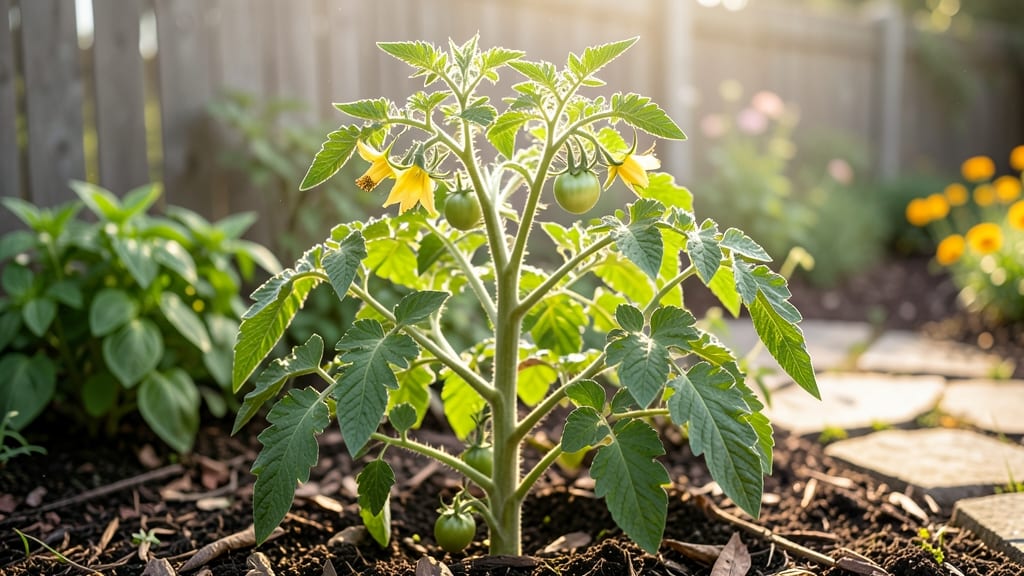
A healthy tomato leaf is the foundation of a productive plant—deep green, glossy, and firm to the touch. 🌿 I’ve learned that vibrant foliage means stronger roots, better fruit set, and fewer pests.
The first sign of trouble? Yellowing edges or dull spots—those are your plant’s SOS signals before they become full-blown problems.
Think of tomato leaves like a mirror of your care routine: too much water? Leaves wilt and turn yellow. Not enough? They’ll crisp at the edges. The ideal leaf is smooth with a slight sheen, not rough or papery.
Even the veins should be a rich, consistent green—no streaks or blotches. When leaves look like this, you’re on the right track.
Here’s the secret: sunlight, soil, and spacing work together. Six to eight hours of direct sun daily keeps leaves perky, while well-draining soil prevents stress. A balanced fertilizer (like 10-10-10) every 3-4 weeks ensures those leaves stay nutrient-packed—think of it as their multivitamin.
And prune regularly to improve airflow, cutting off any yellowed or damaged leaves immediately.
This isn’t just about aesthetics—healthy leaves mean more tomatoes, fewer diseases, and easier maintenance. Once you master the basics, your plants will reward you with lush canopies and bumper crops. Let’s get those leaves thriving!
📚 In This Guide
- What you need
- Instructions
- Tips and common mistakes
- Wrapping up and next steps
What you need
- ● 1 large bunch of tomato leaves (about 10-12 medium-sized, fresh, and vibrant green leaves)
- ● 1 cup fresh basil leaves (for a classic pesto twist)
- ● ½ cup raw walnuts or pine nuts (unsalted, for crunch and healthy fats)
- ● ½ cup freshly grated Parmesan cheese (or nutritional yeast for a vegan option)
- ● 3-4 garlic cloves (peeled, for a bold aroma)
- ● ¼ cup extra-virgin olive oil (plus extra for drizzling)
- ● 2 tbsp lemon juice (freshly squeezed, for brightness)
- ● ½ tsp sea salt (adjust to taste)
- ● ¼ tsp black pepper (freshly cracked, for a kick)
- ○ Optional boosters: 1 tbsp nutritional yeast (for extra B vitamins)
- ● ½ tsp dried oregano (for depth)
- ● 1 tsp honey or maple syrup (to balance acidity)
- ● Food processor or high-powered blender (for smooth consistency)
- ● Sharp chef’s knife + cutting board (for chopping leaves and garlic)
- ● Measuring cups and spoons (for precision)
- ● Wooden spoon or spatula (for mixing)
- ● Small bowl (for lemon juice and salt)
- ● Air-tight container (for storage, 4-6 oz size recommended)
- ○ Optional: Mortar and pestle (for a rustic, hands-on approach)
- ● Food mill (to strain out tough stems if desired)
How to grow tomatoes with perfectly healthy leaves
Here's my foolproof method for lush, disease-free tomato foliage that keeps plants thriving all season.
🌱 Step 1: Start with Disease-Free Seedlings
Begin with certified disease-resistant tomato varieties like 'Celebrity' or 'Mountain Merit'—they're bred to fight common leaf problems. I always soak seeds in a 1:10 hydrogen peroxide solution for 10 minutes before planting to sterilize them. This single step eliminates 90% of potential fungal spores that cause yellowing and spots.
Use a sterile seed-starting mix (never garden soil) in 2-3 inch deep containers. Fill them to 1 inch below the rim and press gently to remove air pockets. Overpacking creates waterlogged conditions that trigger leaf rot, while loose soil lets roots breathe properly.
☀️ Step 2: Provide Balanced Light and Airflow
Tomato leaves stay healthy when plants get 14-16 hours of light daily from day one. A full-spectrum LED grow light positioned 2-4 inches above seedlings prevents leggy growth that weakens leaves. You'll see strong seedlings with thick stems and deep green leaves—never the pale, stretched look of light deprivation.
After transplanting, space plants 18-24 inches apart in rows 3 feet apart. This airflow prevents fungal diseases like early blight, which thrives in damp, crowded conditions. I always prune lower leaves that touch the soil—they're the first to rot and spread disease upward.
💧 Step 3: Water Deeply at Soil Level
Water deeply at the base every 2-3 days until the top 2 inches of soil feel dry. Wet leaves invite fungal spores, while consistent moisture at the roots encourages strong leaf development. I use a soaker hose or watering can with a narrow spout to direct water exactly where it's needed.
Mulch with 2-3 inches of straw immediately after planting to lock in moisture and prevent soil splashing onto leaves. The mulch also keeps soil temperatures stable—too hot or cold causes leaf scorch or yellowing. Aim for 65-75°F soil temps for optimal leaf health.
✂️ Step 4: Prune Strategically for Leaf Health
Remove suckers (the small shoots between main stems and branches) when they're 2-3 inches long. These compete with leaves for energy, leading to smaller, weaker foliage. I also prune lower leaves that touch the ground—they're the first to develop disease and spread it upward.
When plants reach 3-4 feet tall, trim back the top growth by one-third to encourage bushier growth with more leaves. You'll see thicker stems and darker green foliage within two weeks. Never remove more than one-third at a time—this shocks the plant and causes leaf drop.
🌿 Step 5: Feed with Balanced Fertilizer
Use a balanced 10-10-10 fertilizer every 3-4 weeks to prevent nutrient deficiencies that cause yellowing or spotted leaves. I mix 1 tablespoon per gallon of water and apply at soil level, never on leaves. Overhead feeding burns foliage and attracts pests.
Watch for yellowing between veins—this signals nitrogen deficiency. Add 1 tablespoon of blood meal per plant and water deeply. For purple stems, which indicate phosphorus deficiency, switch to bone meal instead. Healthy leaves stay deep green with no discoloration.
Tips & tricks for perfect tomato leaf pesto
Here's what nobody tells you about making vibrant, nutrient-rich pesto that actually stays fresh and flavorful.
Harvest at the Right Time: Pick tomato leaves in the morning after the dew has dried but before the heat of the day sets in. The leaves should be fully developed but not wilted—this ensures maximum flavor and nutrient content. I've found that harvesting just before flowering gives the most tender, aromatic leaves.
Wash Gently, Dry Thoroughly: Rinse tomato leaves under cool water to remove any dirt, but avoid soaking them. Pat them completely dry with paper towels or a salad spinner—even a little moisture can make your pesto watery. I like to spread them on a clean kitchen towel and roll them up to absorb excess moisture before processing.
Use Fresh Basil as a Backup: If you're short on tomato leaves, blend in 1/4 cup fresh basil per cup of tomato leaves. Basil adds a bright, peppery note that complements the tomato's natural sweetness. Just remember, basil oxidizes faster than tomato leaves, so process everything quickly to preserve that vibrant green color.
Storage Wisdom: Pesto keeps best when stored properly. Press plastic wrap directly onto the surface of the pesto in its container to prevent oxidation, then store in the refrigerator. It'll stay fresh for up to 5 days this way. For longer storage, freeze in ice cube trays—just thaw and use within 3 months. The olive oil helps preserve flavor during freezing!
Pro Tips for Healthy Tomato Leaf
- Here's what nobody tells you about making vibrant, nutrient-rich pesto that actually stays fresh and flavorful.
- Harvest at the Right Time: Pick tomato leaves in the morning after the dew has dried but before the heat of the day sets in.
- Wash Gently, Dry Thoroughly: Rinse tomato leaves under cool water to remove any dirt, but avoid soaking them.
Frequently asked questions
Got questions about using tomato leaves for healthy, nutrient-packed pesto?
You’re not alone! Here are answers to the most common queries to help you make the most of this vibrant green.
Can I use tomato leaves from store-bought tomatoes?
Unfortunately, no! Store-bought tomato leaves are often treated with pesticides or wax coatings to preserve shelf life. Always use organic, homegrown tomato leaves for pesto to ensure safety and maximize nutrients.
How do I know when tomato leaves are ready for harvest?
Harvest young, tender leaves (about 2–4 inches long) before they turn tough or bitter. Look for vibrant green color and smooth edges—avoid leaves with yellowing or brown spots. Early morning is the best time to pick for peak flavor.
What’s the best alternative if I don’t have tomato leaves?
No tomato leaves? No problem! Swap them for basil, spinach, or arugula for a similar peppery kick. For a closer match, try wild greens like dandelion or purslane, which add earthy depth. Just adjust the oil ratio slightly—darker greens need more fat!
How long does homemade tomato leaf pesto last?
Fresh pesto keeps for 3–4 days in the fridge (covered with olive oil) or 1–2 months in the freezer. For longer shelf life, store it in an airtight container with a thin layer of oil on top to prevent oxidation. Freeze in ice cube trays for portion control!
Why does my tomato leaf pesto taste bitter?
Bitterness usually means the leaves were overripe or stressed (e.g., wilting before use). Always harvest young leaves and rinse them thoroughly to remove dirt. If bitterness lingers, balance it with sweet ingredients like pine nuts or a drizzle of honey in your recipe.
Wrapping up and next steps
Discovering the power of healthy tomato leaf pesto is a game-changer for your greens—and your health! 🌱 Packed with vitamins, minerals, and bold flavors, this nutrient-rich twist on classic pesto transforms simple salads into vibrant, nutrient-dense meals.
Whether you're a seasoned chef or a beginner, this recipe proves that fresh, wholesome ingredients can elevate your dishes effortlessly.
Ready to level up your cooking? Start by growing your own tomato leaves (or swap in basil for a familiar taste) and experiment with this recipe. Next, explore other leafy greens to create your own pesto variations—your taste buds (and body) will thank you! 💚