
Planting
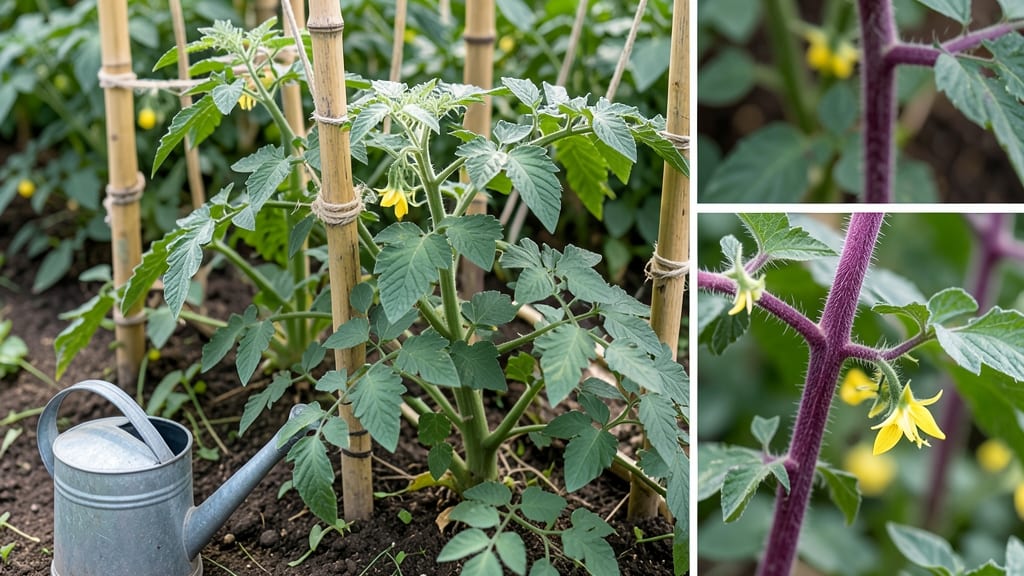
Your tomato plant stems turning purple isn’t just cosmetic—it’s a cry for help from your plants. 🌱 I’ve seen this happen after weeks of neglect, and the good news is, it’s usually fixable with simple adjustments.
The most common cause? Calcium deficiency, but temperature stress or nutrient imbalances can trigger it too. Let’s diagnose the problem fast so you can get those plants back to producing juicy, red tomatoes.
First, check the soil pH—it should be between 6.0 and 6.8 for calcium uptake. If it’s off, a quick soil test (or even a DIY vinegar-and-baking-soda test) tells you what’s missing.
Purple stems often mean the plant can’t absorb enough calcium, so side-dressing with crushed eggshells or a balanced fertilizer with extra calcium (like 10-10-10) works wonders. Prune any severely affected stems to redirect energy to healthy growth.
Within a week, you’ll see new green growth if calcium was the issue. If the problem persists, watch for other signs like leaf curl or blossom-end rot—those mean deeper soil or watering problems.
The key is acting fast: once the stems stay purple for more than 10 days, the plant struggles to recover on its own.
Prevent future issues by watering consistently (especially in hot weather) and adding compost to improve soil structure. If your garden soil is consistently poor, consider growing tomatoes in raised beds with amended soil next season.
And if the purple spreads despite your efforts, it might be time to call in a local extension office for a soil analysis.
Root Causes Behind Purple Stems
When your tomato plant’s stems take on a purple hue, it’s not just a cosmetic quirk—it’s a cry for help from your plant. Understanding the why behind this discoloration is the first step to restoring your tomatoes to their vibrant, healthy selves.
Below, we break down the most common culprits, backed by science, so you can diagnose the issue like a pro.
Purple stems in tomatoes are most famously linked to calcium deficiency, a condition called blossom-end rot’s big sibling. Calcium is essential for cell wall structure, and without enough of it, your plant’s stems and leaves can’t maintain their integrity. Here’s the science:
- Why it happens: Calcium is immobile in plants, meaning it can’t be redistributed from older to younger tissues. If roots struggle to absorb enough calcium (often due to poor soil pH, compaction, or overwatering), new growth—like stems and leaves—shows the first signs of stress.
- Visual clues: Look for purple or reddish discoloration along the stem, often paired with weak, brittle growth or cracking near leaf nodes.
- Actionable fix: Amend soil with crushed eggshells (a natural calcium source) or apply a calcium nitrate solution (1 tsp per gallon of water). Test soil pH—ideal range for tomatoes is 6.0–6.8—to ensure calcium uptake isn’t blocked.
Too much water isn’t just a nuisance—it’s a calcium thief. When soil stays soggy, roots suffocate and can’t absorb nutrients efficiently, leading to calcium starvation. Here’s how it plays out:
- Why it happens: Excess water leaches calcium from the root zone and creates anaerobic conditions, where roots can’t function properly. This triggers a cascade of nutrient uptake failures, with calcium being the first to show symptoms.
- Visual clues: Purple stems often appear alongside yellowing lower leaves (a sign of root stress) or mushy, rotting stems at the base.
- Actionable fix:
- ✅ Check drainage: Ensure pots have drainage holes or garden beds aren’t waterlogged. Amend heavy clay soil with compost or perlite.
- ✅ Water wisely: Stick to deep, infrequent watering (1–1.5 inches per week) and avoid wetting foliage to prevent disease.
- ✅ Fluff the soil: Loosen compacted soil around roots to improve oxygen flow and nutrient access.
Tomatoes are warm-weather babies, but extreme heat or rapid temperature swings can disrupt calcium absorption. Here’s the connection:
- Why it happens: High temperatures (>90°F) or cool nights (<50°F) stress roots, slowing nutrient uptake. Additionally, calcium is less soluble in hot water, making it harder for roots to access even if it’s in the soil.
- Visual clues: Purple stems may appear alongside wilting leaves during the day or stunted growth despite regular watering.
- Actionable fix:
- 🌿 Provide shade: Use shade cloth (30–50%) during peak afternoon heat to protect plants.
- 💡 Mulch heavily: Apply 2–3 inches of mulch (straw or wood chips) to keep soil temps stable.
- 🌱 Adjust watering times: Water early morning or late evening to reduce evaporation and stress.
Calcium thrives in slightly acidic to neutral soil, but if your soil pH veers too far from the ideal range, your tomatoes can’t access the calcium they need. Here’s how pH plays a role:
| pH Level | Calcium Availability | Symptoms in Tomatoes |
|---|---|---|
| Below 5.5 (Too Acidic) | Calcium binds to aluminum/iron, becoming unavailable. | Purple stems, stunted growth, yellowing leaves. |
| Above 7.5 (Too Alkaline) | Calcium becomes insoluble, preventing uptake. | Purple stems, weak stems, blossom-end rot. |
| Ideal: 6.0–6.8 | Calcium is perfectly available for absorption. | Healthy green stems, vigorous growth. |
Actionable fix: Test your soil with a home pH kit or send a sample to a local extension office. Adjust with:
- 🔹 To raise pH (acidic soil): Add lime (calcium carbonate) or wood ash.
- 🔹 To lower pH (alkaline soil): Mix in sulfur or peat moss.
Fixing Purple Stems Fast
Now that you know why your tomato plant stems are turning purple—likely due to calcium deficiency, nutrient imbalance, or environmental stress—let’s get them back to healthy green in no time!
Below are targeted fixes for each root cause, along with prevention tips to keep your plants thriving. No complicated steps—just practical, garden-proven solutions.
If your plants are showing classic blossom-end rot symptoms (purple stems + yellowing leaves), calcium is the first nutrient to replenish.
🍳 Quick Fix: Use Calcium-Rich Amendments
- Epsom Salt Soak (Magnesium + Calcium Boost): Mix 1 tablespoon of Epsom salt + 1 tablespoon of calcium chloride in 1 gallon of water.
Water the soil at the base once a week for 2-3 weeks. Pro Tip: 💡 Apply in the early morning or evening to avoid salt burn from sunlight.
- Crushed Eggshells (Slow-Release Calcium): Dry eggshells in the oven (200°F for 10 mins), crush into a fine powder, and sprinkle 1 teaspoon per plant into the soil. Water lightly to activate. Pro Tip: 🌡️ Mix with compost for faster absorption—microbes help break it down!
- Lime or Gypsum (Soil pH Adjustment): If your soil is too acidic (pH < 6.0), add pelletized lime (1-2 lbs per 100 sq ft).
For neutral pH, use gypsum (calcium sulfate)—it won’t alter pH but delivers calcium fast. Warning: ⚠️ Never over-apply lime—it can lock out other nutrients like iron!
If purple stems appear alongside yellow leaves or stunted growth, your plant might be starving for nitrogen or magnesium while drowning in phosphorus/potassium.
🥘 Adjust Your Fertilizer Game Plan
| Symptom | Likely Cause | Fix It With |
|---|---|---|
| Purple stems + yellow older leaves | Nitrogen deficiency | Balanced fertilizer (10-10-10) or fish emulsion (high in N) |
| Purple stems + crinkled new growth | Magnesium deficiency | Epsom salt spray (1 tbsp per gallon) |
| Purple stems + dark green, bushy growth | Too much phosphorus | Flush soil with water + switch to low-P fertilizer (5-5-5) |
Pro Tip: ✨ Test your soil (DIY kits cost $10) before fertilizing—overdoing it is just as bad as underfeeding!
Purple stems can also signal heat stress, poor drainage, or root damage. Let’s tackle these fast.
🔪 Emergency Care for Stressed Plants
- Shade & Hydration Boost: If stems are wilting or purple in hot weather, move plants to partial shade (50% sun) and water deeply 2x/day (morning + evening).
Use mulch to retain moisture. Pro Tip: 🌡️ Avoid wetting leaves—this prevents fungal diseases like early blight, which worsens purple discoloration.
- Check Drainage (Root Rot Risk): If soil stays soggy for >24 hours, your roots are suffocating. Fix it now: 1. Gently loosen soil around roots with a fork.
- Mix in perlite or coarse sand (20% of soil volume).
- Repot if using containers (choose pots with drainage holes).
- Prune Damaged Stems: If stems are soft, mushy, or blackened, snip them 1 inch above the purple spot with sterilized scissors. This stops the spread of disease and encourages new growth. Pro Tip: 🎯 Disinfect tools with rubbing alcohol between cuts to prevent bacterial infections.
Once your plants bounce back, lock in long-term health with these habits:
- 💡 Soil Prep: Add compost + crushed eggshells to planting holes before transplanting.
- 🌱 Consistent Watering: Water deeply 1-2x/week (not daily shallow watering) to prevent calcium uptake issues.
- 🍅 Monitor pH: Aim for 6.0–6.8 pH—test yearly and amend with lime/gypsum as needed.
- 🚫 Avoid Over-Fertilizing: Stick to every 2–3 weeks with a balanced fertilizer (no "quick-fix" high-P blends).
- 🌿 Companion Planting: Grow basil or marigolds nearby—they deter pests that stress tomato plants.
Final Thought: Purple stems are your plant’s SOS signal, but they’re easy to fix with the right tweaks. Start with calcium, then balance nutrients and environment, and you’ll see green stems in 1–2 weeks! 🚀
Frequently asked questions
Is purple discoloration on tomato stems always a sign of calcium deficiency?
Not always! While calcium deficiency is the most common cause, purple stems can also indicate phosphorus toxicity, temperature stress, or even fungal infections. Look for other clues: yellowing leaves suggest nitrogen deficiency, while weak stems with black spots may signal root rot. Start with a soil test to confirm the exact issue.
How quickly can I expect to see improvement after adding calcium?
With proper calcium treatment (like crushed eggshells or calcium nitrate), you should see new green growth within 3-7 days. However, if the stems have been purple for more than 10 days, recovery may take 2-3 weeks as the plant repairs damaged tissue. Consistency is key—keep the soil moist but not soggy during this time.
Can I still harvest tomatoes from plants with purple stems?
Yes, but focus on the healthier parts of the plant. Purple stems often appear on newer growth, so harvest from established branches. Avoid tomatoes growing near severely discolored stems, as they may be smaller or have reduced quality. The plant can still produce fruit while recovering—just prioritize the best-looking branches.
Will adjusting my watering fix purple stems caused by calcium deficiency?
Not directly, but it helps! While calcium amendments are essential, inconsistent watering worsens the problem by preventing root uptake. Water deeply 2-3 times per week (1-1.5 inches total) and avoid wetting foliage. Pair this with calcium treatments for the best results—roots need both proper hydration and available nutrients to recover.
Could my tomato plants be getting too much phosphorus?
Excess phosphorus (common in many fertilizers) can cause purple stems by blocking calcium absorption. If you've been using high-phosphorus fertilizers (like 5-10-5 blends), switch to a balanced 10-10-10 or low-phosphorus option (5-5-5). Flush the soil with water to leach out excess phosphorus, then focus on calcium amendments.