
How To
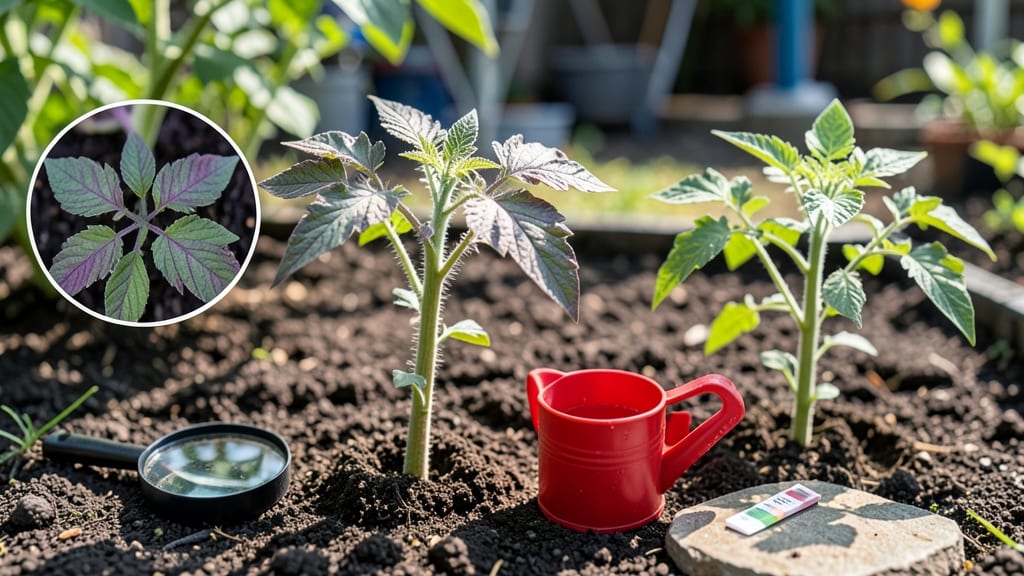
Your tomato seedlings turning purple isn’t just a cosmetic issue—it’s a cry for help from your plants. 🌱 That crispy, purple-edged leaf problem signals a calcium deficiency, and the good news is you can often fix it in 24 hours with the right approach.
I’ve seen this happen more times than I’d like to admit, usually after a cold snap or overwatering, but the solution is straightforward once you know what to look for.
The purple edges appear because your seedlings can’t absorb enough calcium from the soil, often due to pH imbalances or overwatering that washes nutrients away. It’s not a disease—your plants are still alive, but they’re struggling to grow strong stems and healthy leaves.
The fix starts with a calcium boost (like crushed eggshells or diluted milk) and adjusting your watering routine to give roots time to absorb nutrients.
Within a day of treating the deficiency, you’ll see new growth emerge with normal green leaves. The key is acting fast—once the damage spreads to the stems, recovery takes longer. Prevent future issues by testing your soil pH and keeping moisture consistent, especially in cooler weather when seedlings grow slower.
This works for both indoor starts and outdoor transplants, and the same principles apply whether you’re growing cherry tomatoes or beefsteak varieties. Let’s get those seedlings back on track before the purple spreads further.
Root Causes Behind Purple Seedlings
If your tomato seedlings are developing a purple hue, don’t panic—it’s usually a sign that they’re crying out for something essential. Purple leaves or stems in young tomato plants typically stem from nutritional deficiencies, environmental stress, or metabolic imbalances.
Below, we break down the most common culprits with clear explanations and actionable science-backed fixes.
Tomato seedlings turning purple—especially along the veins or younger leaves—is often a classic symptom of calcium deficiency. Calcium plays a critical role in cell wall structure and membrane stability. When seedlings lack it, their cells struggle to maintain rigidity, leading to distorted growth and that telltale purple tint.
Why does this happen?
- Poor soil structure: Compacted or waterlogged soil prevents roots from absorbing calcium efficiently.
- Imbalanced pH: Soil pH outside the ideal range (6.0–6.8) locks calcium out of the roots’ reach.
- High potassium or magnesium: These nutrients can outcompete calcium, starving the plant.
- Overwatering or uneven moisture: Fluctuating water levels disrupt calcium uptake.
💡 Pro Tip: Test your soil’s calcium levels with a simple DIY kit or send a sample to a local extension office. If levels are low, amend with gypsum (calcium sulfate) or crushed eggshells—both are plant-safe and budget-friendly.
Tomato seedlings are sensitive to temperature extremes, and purple discoloration can signal metabolic stress from heat or cold. When nights dip below 50°F (10°C) or days soar above 90°F (32°C), seedlings struggle to process nutrients, leading to anthocyanin buildup—the pigment responsible for the purple hue.
How does this manifest?
- Cold stress: Slows root activity, reducing nutrient absorption (including calcium). Purple appears on older leaves first.
- Heat stress: Speeds up transpiration (water loss) faster than roots can replenish nutrients, causing purple edges or blotches.
🎯 Quick Fix:
- Use row covers or shade cloth to protect seedlings from heat.
- Move containers to a warmer, sheltered spot if nights are chilly (e.g., near a sunny wall or under grow lights).
- Avoid fertilizing during extreme temps—plants can’t utilize nutrients efficiently.
While water is life, excessive moisture (or stagnant water) can suffocate roots and trigger nutrient deficiencies—including calcium. Purple leaves may appear if roots are deprived of oxygen, leading to anaerobic conditions that disrupt nutrient uptake.
Signs to watch for:
- Yellowing leaves with purple veins (calcium + iron deficiency combo).
- Soggy soil that smells like rot.
- Seedlings leaning or wilting despite wet soil.
✨ Action Plan:
- Check drainage: Ensure pots have holes, and saucers are emptied after watering.
- Water deeply but less frequently—aim for 1 inch of water per week (adjust for climate).
- Add perlite or vermiculite to soil to improve aeration.
- If repotting, choose a well-draining mix (e.g., 60% potting soil, 20% perlite, 20% compost).
In rare cases, purple discoloration can stem from pathogenic stress, where fungi or bacteria (like Fusarium or Pythium) disrupt nutrient flow. These pathogens often thrive in overwatered, poorly ventilated conditions, blocking calcium and other minerals from reaching the plant.
How to tell if it’s an infection:
- Purple patches paired with yellowing, wilting, or moldy stems.
- Seedlings collapse suddenly despite care.
- Soil smells foul or has visible fungi.
🔥 Emergency Steps:
- Remove affected seedlings immediately to prevent spread.
- Disinfect pots with a 1:10 bleach-water solution.
- Apply a copper fungicide or neem oil spray to healthy plants.
- Improve airflow by spacing seedlings 2–3 inches apart.
Quick Fixes for Purple Tomato Seedlings
If your tomato seedlings are showing purple hues, don’t panic—there are simple, effective ways to reverse the issue and keep your plants thriving. Below are targeted solutions based on the most common causes, along with easy prevention tips to avoid future problems.
Calcium deficiency is the #1 culprit behind purple-tinged leaves and crispy edges. Here’s how to correct it fast:
🔥 Step 1: Apply Calcium-Rich Fertilizer
Use a calcium nitrate or crushed eggshell fertilizer to deliver quick calcium absorption.
- Mix 1 tablespoon of crushed eggshells into the soil per seedling.
- Alternatively, dissolve 1 teaspoon of calcium nitrate in 1 gallon of water and water the plants at the base.
🍳 Step 2: Improve Soil Drainage
Compacted or waterlogged soil blocks calcium uptake. Loosen the soil around seedlings with a fork or your fingers to encourage root growth.
👨🍳 Step 3: Adjust Watering Habits
- Water deeply but infrequently—avoid shallow, frequent watering, which leads to uneven calcium distribution.
- Use rainwater or filtered water (tap water with high sodium can worsen calcium absorption).
⏰ Step 4: Monitor Recovery in 24–48 Hours
With proper calcium treatment, you should see improvement within 1–2 days. If purple persists, repeat the fertilizer application.
- 🌡️ Maintain consistent soil moisture—neither drought nor soggy soil helps calcium uptake.
- ✨ Add compost or aged manure to enrich soil with natural calcium and nutrients.
- 🎯 Test soil pH—ideal range for tomatoes is 6.0–6.8; acidic soil (below 6.0) reduces calcium availability.
If purple appears alongside yellowing leaves or wilting, overwatering or root rot may be the issue.
🔪 Step 1: Check Soil Moisture
Stick your finger 1–2 inches deep—if the soil is soggy, your seedlings are drowning. Let the top 1–2 inches dry out between waterings.
🌧️ Step 2: Improve Drainage
- Repot seedlings in well-draining soil mix (add perlite or vermiculite).
- Elevate containers to prevent water pooling at the roots.
💧 Step 3: Reduce Watering Frequency
Water only when the topsoil feels dry—overwatering suffocates roots and prevents nutrient uptake.
If purple appears on new growth or stems, your seedlings may lack phosphorus or magnesium.
📊 Step 1: Use a Balanced Fertilizer
Apply a 5-10-10 or 10-10-10 NPK fertilizer (nitrogen-phosphorus-potassium) to restore balance.
- Mix 1 teaspoon per gallon of water and apply at soil level.
🍎 Step 2: Add Epsom Salt for Magnesium
Dissolve 1 tablespoon of Epsom salt in 1 gallon of water and spray lightly on leaves (avoid overdoing it—too much can burn foliage).
💪 Step 3: Rotate Fertilizers
Alternate between calcium-based and balanced fertilizers every 2–3 weeks to prevent deficiencies.
If purple persists after 3–5 days of treatment, check for:
- Fungal diseases (powdery mildew can cause purple discoloration).
- Pest damage (aphids or spider mites may stress plants).
- Extreme temperature swings (tomatoes dislike sudden cold snaps).
In such cases, consult a local garden extension service or use organic fungicides (neem oil) if needed.
Rotate crops annually—planting tomatoes in the same spot year after year depletes calcium. If possible, follow tomatoes with legumes (beans, peas) to replenish soil nutrients naturally.
With these fixes, your tomato seedlings should bounce back in no time—and you’ll be on your way to a bountiful harvest! 🍅🌱
Frequently asked questions
Why do tomato seedlings turn purple only on the edges?
Purple edges on tomato seedlings usually signal calcium deficiency combined with uneven moisture. When roots can't absorb enough calcium, the plant produces anthocyanin (a purple pigment) to protect damaged cells. This often happens in waterlogged soil or when watering is inconsistent, preventing proper nutrient uptake. Check soil moisture by sticking your finger 1 inch deep—it should feel slightly damp, not soggy.
Can I save tomato seedlings if the purple has spread to the stems?
Yes, but recovery takes longer. Purple stems indicate severe calcium deficiency or possible disease. Start with a calcium nitrate solution (1 tsp per gallon of water) applied directly to the soil, and improve drainage immediately. If stems are mushy or blackened, fungal infection may have set in—remove affected plants and disinfect containers with a 1:10 bleach-water solution. With prompt action, new growth should emerge green within 5-7 days.
How often should I fertilize seedlings after treating purple leaves?
After correcting calcium deficiency, wait 10-14 days before fertilizing again. Use a balanced 5-10-10 NPK fertilizer at half-strength (1/2 tsp per gallon) every 2-3 weeks to prevent nutrient imbalances. Over-fertilizing stressed seedlings can worsen the problem by creating salt buildup in the soil. Always water thoroughly after fertilizing to help roots absorb nutrients.
Will crushed eggshells really fix purple leaves?
Eggshells are one of the best natural calcium sources for seedlings. Crush 1 tablespoon of dried, cleaned eggshells into a fine powder and mix into the top 1 inch of soil. The calcium becomes available to roots within 24-48 hours. For faster results, bake shells at 200°F for 10 minutes first to kill bacteria, then grind finely. Repeat every 4-6 weeks as a preventative measure.
Can temperature swings cause purple leaves even with proper calcium?
Yes! Tomato seedlings struggle when night temperatures drop below 50°F (10°C) or days exceed 90°F (32°C). Extreme temps disrupt nutrient uptake even with adequate calcium. Protect seedlings with row covers for cold snaps or provide shade cloth (30-50%) during heatwaves. Avoid fertilizing during temperature stress—plants can't process nutrients efficiently. Ideal seedling temps are 65-75°F (18-24°C) day and night.