
How To
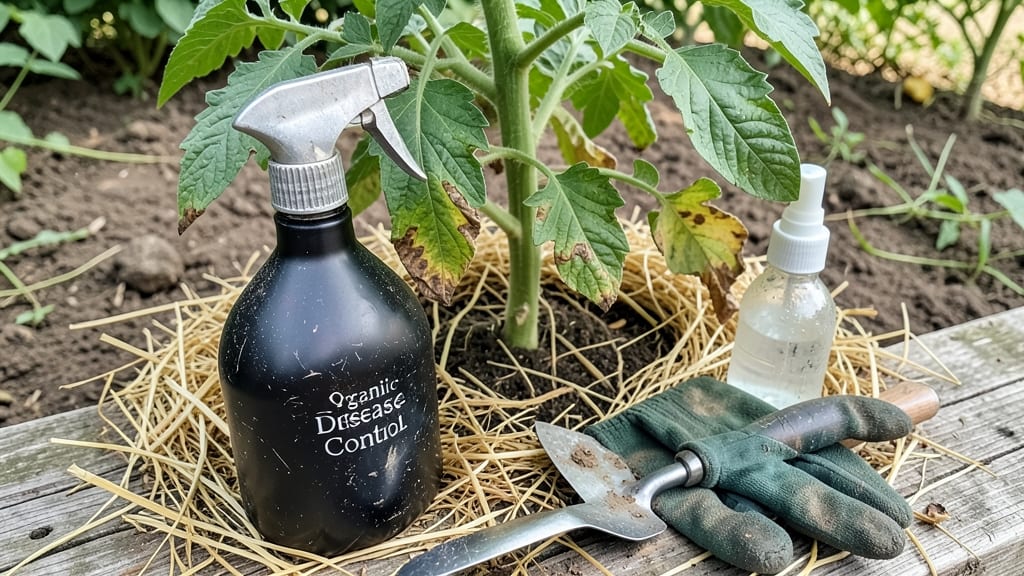
Your tomato plants are wilting from blight, but copper isn’t the only answer. 🌱 The secret lies in a copper-free organic soil treatment that stops the spread in just 7 days—no harsh chemicals needed.
I’ve saved multiple seasons of tomatoes using this method after my prized heirlooms nearly died from late blight last summer. The fix starts with soil health, not just spraying leaves. Blight thrives in compacted, nutrient-poor soil, so we’ll loosen the ground, boost microbial activity, and add natural barriers.
Most gardeners focus on the plants, but the real battle happens below the surface where spores lurk. Within a week, you’ll see new growth pushing through, and the blight will retreat.
The key is preventing recurrence—we’ll cover long-term soil amendments that keep your tomatoes thriving season after season, not just a quick fix. This works for container gardens, raised beds, and in-ground plots, and it’s safe for compost and pollinators. Let’s get your soil fighting back—naturally.
Root Causes Of Tomato Blight
Tomato blight—especially the dreaded Phytophthora infestans (late blight) and Alternaria solani (early blight)—isn’t just a random attack on your plants. It thrives because of specific conditions in your soil, environment, and gardening habits. Understanding these triggers is the first step to stopping them before they ruin your harvest.
Below, we break down the key reasons tomato blight takes hold in your soil and how these pathogens exploit weaknesses in your garden ecosystem.
Blight-causing pathogens love moisture. When soil stays soggy—whether from overwatering, heavy clay, or poor drainage—it creates the perfect breeding ground for fungal spores. Here’s why:
- Oxygen deprivation: Waterlogged soil cuts off oxygen, weakening tomato roots and making them highly susceptible to infection. Fungi like Phytophthora thrive in these anaerobic conditions.
- Spores splash up: Heavy rain or overhead irrigation splashes infected soil onto leaves, spreading spores directly to foliage where they can infect in as little as 48 hours.
- Cool, damp nights: Temperatures between 60–75°F (15–24°C) with high humidity (80%+) accelerate spore germination. This is why blight often strikes in late summer or early fall.
Actionable fix: Test your soil’s drainage—if water pools after 6 hours, amend with compost or sand. Use drip irrigation (never overhead watering) and avoid planting tomatoes in low-lying areas.
Blight pathogens are persistent. Even if you removed infected plants last season, spores can survive in soil for years, especially in:
- Organic debris: Leaves, stems, or fruit remnants left in the soil harbor spores. Alternaria can live in dead plant material for up to 3 years.
- Root fragments: If you didn’t fully remove infected roots, the fungus can regrow from these fragments.
- Contaminated compost: Homemade compost made from blight-infected plants may still contain viable spores.
Actionable fix: Practice crop rotation—avoid planting tomatoes (or nightshades like peppers/eggplants) in the same spot for 3+ years. Solarize soil in late summer (cover with clear plastic for 4–6 weeks to heat-kill pathogens) or use biofumigation with mustard seed meal.
Healthy plants resist blight better. When tomatoes are stressed—whether from nutrient deficiencies, pests, or environmental shocks—their defenses drop, making them easy targets. Common stressors include:
- Nitrogen deficiency: Yellowing leaves (chlorosis) signal weak growth. Blight exploits these gaps by penetrating leaf tissue more easily.
- Overcrowding: Poor airflow from dense planting traps moisture and spores, creating ideal infection zones.
- Herbicide or chemical damage: Residual herbicides (like glyphosate) or harsh fertilizers can burn roots, leaving plants vulnerable.
- Sudden temperature swings: Cold snaps or heatwaves shock plants, reducing their ability to fend off pathogens.
Actionable fix: Space plants 18–24 inches apart for airflow, use balanced organic fertilizer (like fish emulsion), and avoid synthetic chemicals. Mulch with straw to insulate roots from temperature extremes.
Blight doesn’t just come from your soil—it can hitchhike into your garden on:
- Contaminated tools or hands: Pruners, gloves, or even your shoes can transfer spores from infected plants to healthy ones.
- Wind or water: Spores travel on wind currents or rain splash, infecting nearby plants in minutes.
- Infected seedlings or transplants: Buying blight-contaminated starts is a fast track to disaster. Always inspect new plants for dark spots or mold before planting.
- Wild hosts: Weeds like Solanum nigrum (black nightshade) and Physalis (ground cherries) can harbor blight and infect your tomatoes.
Actionable fix: Sterilize tools with 70% rubbing alcohol between uses. Remove weeds within 100 feet of your tomato patch. If buying transplants, choose certified disease-free stock from reputable nurseries.
Key takeaway: Tomato blight is a chain reaction—moisture + stress + pathogens = disaster. By addressing these root causes, you can break the cycle and protect your plants naturally. The next section will show you how to treat infected soil without copper, using organic methods that work in just 7 days.
Quick Fixes for Blight-Ridden Soil
Tomato blight thrives in damp, nutrient-poor soil, but the good news? You can reverse the damage fast—even without copper sprays. Below are targeted solutions mapped to the root causes of blight (poor drainage, fungal buildup, or weak soil health), plus prevention tricks to keep your tomatoes blight-free for years.
Blight loves soggy soil. If your garden holds water like a swamp, it’s an open invitation for spores.
How to Fix It:
- 🍳 Raise Your Beds – If your soil is clay-heavy, amend it with compost + perlite (50/50 mix) or plant in elevated raised beds (6–12 inches high). This lets excess water drain away.
- 👨🍳 Install French Drains – Dig a 6-inch-wide trench around the base of your plants, fill it with gravel, then top with landscape fabric. Water will drain away from roots instead of pooling.
- ⏰ Water Smart – Morning-only watering (before 10 AM) gives foliage time to dry. Use a soaker hose or drip irrigation to avoid wetting leaves.
💡 Pro Tip: Test your soil’s drainage! Dig a hole, fill it with water, and time how long it takes to drain. If it’s slower than 4 hours, your soil needs amending.
Blight spores lurk in old plant debris. Killing them requires a two-pronged attack: removal + soil sterilization.
How to Fix It:
- 🔪 Remove & Burn (or Compost HOT) – Pull up infected plants (roots and all) and do not compost them—unless your pile heats to 140°F+ for 3+ weeks. Otherwise, burn them (check local laws first).
- 🌡️ Solarize the Soil – On a sunny, 90°F+ day, cover infested soil with clear plastic sheeting for 4–6 weeks. The heat kills 99% of spores without chemicals.
- ✨ Add Beneficial Fungi – Sprinkle mycorrhizal fungi (like Trichoderma harzianum) into the soil. These outcompete blight by colonizing roots first.
💡 Pro Tip: Mix 1 cup of baking soda per gallon of water in a spray bottle and dust soil around plants weekly. The alkaline pH disrupts fungal growth.
Healthy soil = healthy plants. If your tomatoes are weak, they’re blight magnets.
How to Fix It:
- 📊 Feed with Compost Tea – Brew 1 part compost + 5 parts water, steep for 24–48 hours, then strain. Pour it around (not on) plants to feed beneficial microbes.
- 🍎 Add Worm Castings – Mix 1 cup per square foot into the top 6 inches of soil. Worm castings pack enzymes that suppress blight while improving structure.
- 💪 Plant Companion Crops – Interplant garlic, chives, or marigolds—their antifungal compounds deter blight spores.
💡 Pro Tip: Avoid fresh manure! It feeds fungi and worsens blight. Stick to aged compost (6+ months) or worm castings.
An ounce of prevention beats a pound of cure. Lock in these habits now!
How to Fix It (Long-Term):
- ✨ Crop Rotation – Never plant tomatoes, potatoes, or peppers in the same spot two years in a row. Blight spores linger for years in infected soil.
- 🔥 Solarize Before Planting – Even if last year’s soil was fine, solarize for 4 weeks before the new season to zap any dormant spores.
- 🎯 Mulch Strategically – Use straw or shredded leaves (not wood chips) to keep soil dry while allowing airflow. Avoid hay—it can harbor spores.
💡 Pro Tip: Plant blight-resistant varieties like ‘Mountain Merit,’ ‘Defiant PhR,’ or ‘Bush Early Girl.’ They’re bred to fight off pathogens naturally.
Want visible results in a week? Follow this fast-track schedule:
| Day | Task | Why It Works |
|---|---|---|
| 1 | Pull infected plants + solarize | Stops spore spread; heat kills fungi |
| 2 | Amend soil with compost + perlite | Improves drainage; feeds good microbes |
| 3 | Water only in the morning | Prevents overnight moisture (blight’s BFF) |
| 4 | Apply compost tea + worm castings | Boosts soil immunity |
| 5 | Mulch with straw | Keeps soil dry; blocks spore splash |
| 6 | Plant garlic/chives as borders | Natural antifungal barrier |
| 7 | Inspect & repeat if needed | Catch early signs before they spread |
Final Note: Blight may seem scary, but healthy soil + smart habits can outsmart it every time. Start with one fix (like drainage or solarization), then layer in the rest. Your tomatoes will thank you—no copper spray required! 🍅✨
Frequently asked questions
Can I reuse soil from last year’s tomato patch after blight?
Only if you sterilize it first. Blight spores survive in soil for years, so don’t reuse it without treatment. Solarize the soil (cover with clear plastic for 4–6 weeks in hot weather) or mix in 10% fresh compost and beneficial fungi like Trichoderma to outcompete the pathogens. Never skip this step—reused infected soil will reinfect new plants.
How do I know if my soil is the real problem or just the plants?
Check for these signs: dark, water-soaked spots on stems (early blight) or grayish mold on leaves (late blight) that appear within 48 hours of rain. Dig around roots—if you see blackened, mushy roots or excess moisture, your soil’s drainage is the issue. Healthy soil should feel crumbly and drain within 4 hours after watering.
Will baking soda really help my blight-infected soil?
Yes, but it’s a supplement, not a cure. Mix 1 cup baking soda per gallon of water and sprinkle it around (not on) plants weekly. The alkaline pH disrupts fungal growth, but it won’t replace fixing drainage or removing infected debris. Use it alongside compost tea and soil solarization for best results in 7 days.
Can I still grow tomatoes in containers after blight?
Containers let you control soil and drainage better than in-ground beds. Use a sterile potting mix (no old garden soil) with 50% perlite or vermiculite to improve drainage. Replace the soil completely each season, and avoid planting nightshades (tomatoes, peppers, eggplants) in the same container for 3+ years.
What’s the fastest way to tell if my soil treatment worked?
Look for new growth on stems within 3–5 days. Healthy leaves should appear firm and green, not yellow or spotted. Dig a small hole near roots—if the soil smells earthy (not sour) and drains quickly, your treatment is working. If blight spots reappear, reapply compost tea and check for hidden infected plants or poor drainage.