
Pests and Diseases
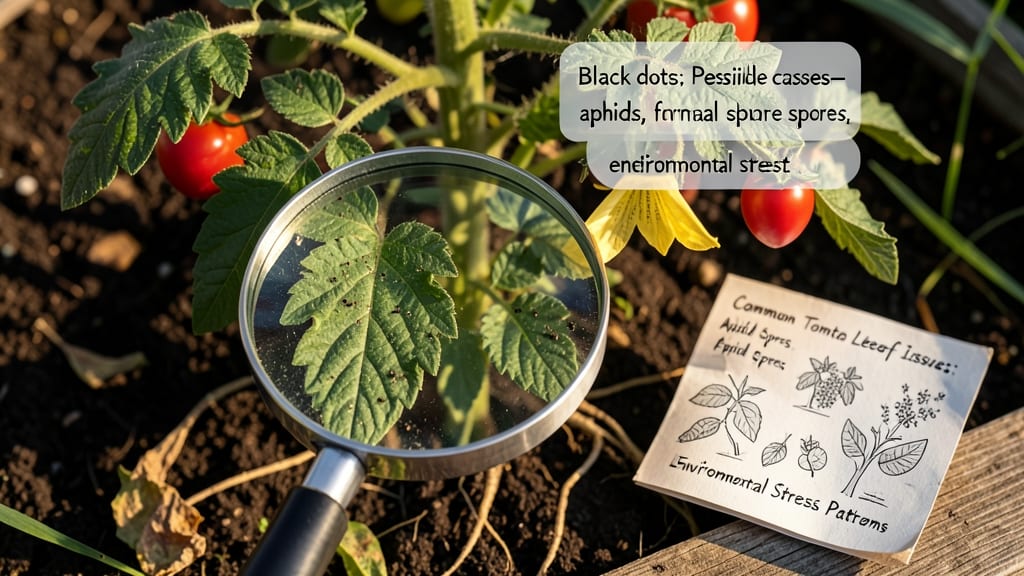
Those tiny black dots on your tomato leaves aren't just unsightly—they're thrips, and they're stealing your plant's energy. 🌱 I've battled these pests in my own garden, and I'll show you how to spot them early and stop them before they ruin your harvest.
The damage starts small but spreads fast: silvery streaks on leaves, stunted growth, and those telltale black specks (thrips' droppings). Most gardeners mistake them for soot or fungal spores, but thrips leave a different kind of mess—one that weakens plants over time.
You'll learn to identify the pests, treat them with organic sprays, and set up barriers that keep them out. Within a week, your plants will bounce back with fresh green leaves and the promise of bigger tomatoes. This works for backyard gardens, containers, and even greenhouse setups.
Let's get those leaves looking healthy again!
Root Causes Behind Leaf Spots
When you spot tiny black dots on tomato leaves, it’s rarely a coincidence—these specks are usually a sign of pest activity, fungal growth, or environmental stress.
Understanding the why behind these marks is the first step to fixing the problem. Below, we break down the most common culprits and their science-backed explanations.
Thrips are microscopic insects (1–2 mm long) that feed on plant sap, leaving behind tiny black fecal dots and silver streaks on leaves. Their damage isn’t just cosmetic—they also transmit tospoviruses, which can stunt plant growth or cause deformities.
- How they spread: Thrips thrive in hot, dry conditions and hitchhike on wind, tools, or even your clothes. They target new growth first, which is why seedlings and young tomato plants are often the first to show symptoms.
- Key identifiers:
- Black or brown speckling on upper leaf surfaces
- Silvery scarring on undersides (from saliva and damage)
- Curled or distorted leaf edges
- Why they choose tomatoes: Tomato leaves are soft and nutrient-rich, making them an all-you-can-eat buffet for thrips. Plus, their hairy stems provide perfect hiding spots.
Pro Tip: 💡 Check the undersides of leaves with a magnifying glass—thrips and their eggs (tiny, oval, and pale yellow) are often hiding there!
If the dots are powdery, dusty, or mold-like, you’re likely dealing with fungal spores rather than pests. Fungi like Alternaria or Septoria leaf spot produce black specks as they reproduce, often in humid, stagnant conditions.
| Fungus Type | Dot Appearance | Trigger Conditions |
|---|---|---|
| Alternaria | Small, concentric black rings (like tiny bullseyes) | Warm, wet nights + poor air circulation |
| Septoria Leaf Spot | Tiny black dots with yellow halos | Overhead watering + dense foliage |
| Powdery Mildew | White fuzzy patches with black specks (spores) | Low light + high humidity |
Why it spreads: Fungal spores love moisture—they germinate when water sits on leaves for more than 6 hours. Tomato plants with wet foliage (from rain or overhead watering) are prime targets.
Not all black dots are from pests or fungi—sometimes, they’re your plant’s way of saying, “I’m struggling!” Environmental factors like heat stress, nutrient deficiencies, or mechanical damage can cause similar symptoms.
- Heat Stress (Sun Scorch):
- Causes: Intense afternoon sun + dry soil
- Symptoms: Dry, crunchy black spots on leaf edges (like a sunburn)
- Fix: Provide afternoon shade (use shade cloth) and water deeply.
- Nutrient Deficiency (Iron/Manganese):
- Causes: Alkaline soil (pH > 7.0) locks out micronutrients
- Symptoms: Tiny black specks between leaf veins (interveinal chlorosis)
- Fix: Lower pH with sulfur or use chelated iron supplements.
- Mechanical Damage (Hail/Wind):
- Causes: Physical trauma from storms or rough handling
- Symptoms: Uneven black dots with torn edges
- Fix: Prune damaged leaves and protect plants with row covers.
Quick Check: 🌡️ Run your finger over the dots—if they’re dry and brittle, it’s likely environmental. If they’re sticky or oily, pests or fungi are the culprits.
Now that you know why those black dots appear, the next step is how to stop them. Stay tuned for our organic treatment guide to kick these invaders to the curb—without harsh chemicals!
Quick Fixes for Leaf Blemishes
Discovering tiny black dots on your tomato leaves can feel like a gardening nightmare, but the good news? Most causes have simple, organic solutions. Whether it’s pest pressure, fungal spores, or environmental stress, here’s how to tackle the problem—fast—and keep your plants thriving.
Below, we’ve mapped out the most common culprits and their fixes, with prevention tips to stop future outbreaks.
Thrips are sneaky pests that leave behind speckled black dots (their feces) and cause leaf distortion. Here’s how to evict them:
🔥 Immediate Action: Knock Them Out
- 🍳 Spray with Soapy Water: Mix 1 tbsp mild castile soap or insecticidal soap with 1 quart of water. Spray both sides of leaves and stems until dripping. Repeat every 3–4 days for 2 weeks. Pro tip: Add a few drops of neem oil for extra punch! 🌿
- 👨🍳 Yellow Sticky Traps: Hang yellow cards coated in petroleum jelly or sticky traps near plants. Thrips are attracted to yellow and get stuck—remove and replace traps weekly.
- 🥘 Introduce Beneficial Insects: Release predatory mites (Amblyseius spp.) or lacewings (available at garden centers). These natural predators devour thrips within days.
🌡️ Long-Term Prevention
- 💡 Prune & Clean: Remove heavily infested leaves immediately and dispose of them in a sealed bag (not compost). Thrips hide in debris!
- ✨ Mulch with Reflective Material: Lay aluminum foil or reflective mulch around plants to disorient thrips (they hate bright surfaces).
- 🎯 Water Wisely: Thrips love dry conditions. Water deeply at the base in the morning to discourage them and boost plant resilience.
If the dots are powdery or rust-colored, you’re likely dealing with early-stage fungal issues like alternaria leaf spot or early blight.
🔪 Stop the Spread Now
- 🍳 Baking Soda Spray: Mix 1 tsp baking soda + 1 tbsp oil + 1 quart water. Spray affected leaves every 7–10 days. Why it works: Baking soda raises the pH, making leaves less hospitable to fungi. 🧼
- 🥘 Copper Fungicide (Organic): Use a copper-based spray (like CuFix) as a last resort. Follow label instructions—never overapply, as copper can harm soil microbes.
- 🌿 Remove Infected Leaves: Snip off blackened or spotted leaves and sterilize pruners with rubbing alcohol between cuts.
🌡️ Prevent Future Outbreaks
- 💡 Improve Airflow: Space plants 12–18 inches apart and prune for open growth to reduce humidity.
- ✨ Water Early: Water at dawn so leaves dry by evening. Wet foliage overnight = fungal paradise. 💦
- 🎯 Crop Rotation: Avoid planting tomatoes (or nightshades) in the same spot next year. Fungal spores linger in soil!
If the dots appear randomly after hot days or near roads, they might be soot (from pollution) or sunburn damage.
🔥 Clean & Protect Leaves
- 🍳 Gentle Leaf Wash: Use a soft cloth dampened with water to wipe off soot. Avoid harsh sprays that can damage foliage.
- 🥘 Shade Cloth: If sunburn is the issue, provide 30–50% shade cloth during peak afternoon sun (12 PM–4 PM).
🌿 Preventative Care
- 💡 Mulch Heavily: Use 2–3 inches of organic mulch (straw or wood chips) to regulate soil temperature and reduce stress.
- ✨ Avoid Over-Fertilizing: Too much nitrogen = soft, sappy leaves that burn easily. Stick to a balanced 5-5-5 fertilizer.
- 🔥 Inspect New Plants: Always quarantine new tomato starts for 2 weeks before introducing them to your garden.
- 🌡️ Monitor Regularly: Check undersides of leaves (where pests hide) 2–3 times per week.
- 💡 Boost Plant Immunity: Feed with compost tea or fish emulsion every 4 weeks to strengthen natural defenses.
With these fixes, your tomato plants should bounce back in 1–2 weeks. Stay vigilant, and soon you’ll be harvesting plump, blemish-free tomatoes instead of battling black dots! 🍅✨
Frequently asked questions
Are those tiny black dots harmful to my tomato plant's fruit?
Yes, they can be! If the dots are from thrips, they may transmit viruses that can reduce fruit quality or cause malformed tomatoes. Fungal spores can also weaken plants, making them more susceptible to cracking or rotting. Always treat the issue promptly to protect both leaves and harvest.
How can I tell if the black dots are from thrips vs. fungal spores?
Check the leaf texture: thrips leave sticky, oily specks and often cause silver streaks on the undersides. Fungal dots appear dry and powdery, sometimes with yellow halos. Run your finger over them—thrips' droppings smear, while fungal spores feel rough and gritty.
Will my tomato plants recover if I treat the black dots early?
With immediate action (like soapy water sprays for thrips or baking soda for fungi), new growth will emerge clean within 1-2 weeks. Prune affected leaves and maintain good airflow to help recovery. The key is catching it before the entire plant shows symptoms.
Can I use store-bought pesticides if organic methods fail?
Only as a last resort. If organic solutions (neem oil, copper sprays) don't work after 2 weeks, use pyrethrin-based insecticides for thrips or fungicides with chlorothalonil for fungal issues. Always follow label instructions and wear protective gear—chemicals can harm beneficial insects too.
How do I prevent black dots from returning next season?
Start with crop rotation—avoid planting tomatoes in the same spot for 3 years. Use reflective mulch to deter thrips, and sterilize tools between plants. Quarantine new plants for 2 weeks, and maintain good garden hygiene by removing debris.