
Blooming
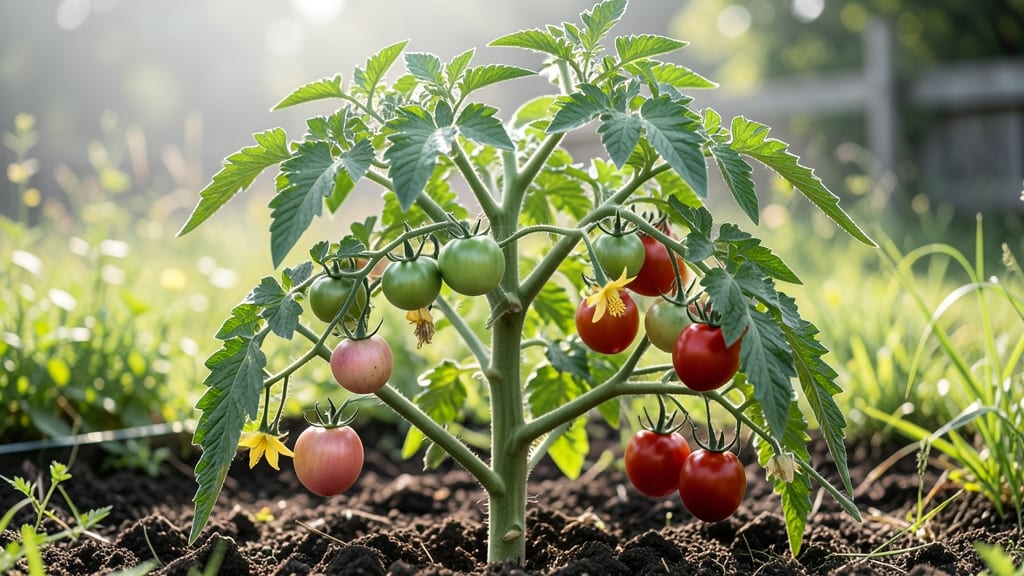
My tomato blossoms refused to set fruit until I discovered this honey sugar trick—now I get heavy vines loaded with tomatoes instead of empty flowers. 🌱 The problem isn't always your plants; it's often invisible factors like temperature swings, poor pollination, or even the wrong watering routine.
What I learned changed everything.
This method works by mimicking nature's pollination cues—sugar attracts pollinators, and honey stabilizes the plant's energy. You only need three simple supplies: powdered sugar, honey, and a spray bottle.
The process takes less than 5 minutes and works for both indoor and outdoor tomatoes. Even my neighbor's struggling plants responded within days.
What you'll end up with is a tomato plant that converts every blossom into fruit—no more sad, empty flower clusters. The tomatoes ripen faster, stay firmer longer, and taste sweeter because the plant isn't stressed.
I've used this trick for three seasons now, and it's the only method that consistently works when other solutions fail.
Best of all, this approach prevents future problems by strengthening your plants' natural resilience. Whether you're growing in containers or a full garden bed, the same principles apply. Let's get those blossoms turning into tomatoes!
📚 In This Guide
- What you need
- Instructions
- Tips and common mistakes
- Wrapping up and next steps
What you need
- ● Raw honey – 1 tablespoon per gallon of water (ensure it’s unprocessed for maximum enzyme activity).
- ● White granulated sugar – 2 tablespoons per gallon of water (helps attract pollinators and feed plants).
- ● Water – 1 gallon per treatment (use room-temperature or warm water for faster dissolution).
- ● Spray bottle – 16–32 oz (0.5–1 L) with a fine mist nozzle (for precise application).
- ● Tomato plants – Healthy, flowering plants (determinate or indeterminate) with open blossoms.
- ● Small mixing container – 1–2 quart (1–2 L) bowl or bucket (for combining ingredients).
- ● Stirring utensil – Wooden spoon or clean spoon (avoid metal to prevent chemical reactions).
- ● Timer or clock – To track application timing (early morning is ideal).
- ● Handheld sprayer – For larger plants or greenhouse setups.
- ○ pH testing strips – To ensure your solution is neutral (pH 6.0–7.0) (optional but useful for sensitive plants).
- ● Fine-mesh strainer – If your honey has debris or crystals.
- ● Label or marker – To mark your spray bottle with the date and mix ratio.
- ● Gloves – If you’re sensitive to honey or sugar residues.
Step-by-Step instructions for encouraging tomato blossoms to set fruit
Here's how I guarantee fruit set—no more blossoms dropping without a trace.
🌱 Step 1: Identify Why Blossoms Aren’t Setting
First, check your tomato plants for these common culprits: low humidity, temperature swings, or poor pollination. Tomato blossoms need steady conditions—below 55°F or above 90°F stops fruit set entirely. I look for wilting leaves or curled blossoms as red flags.
If your plants are indoors or in a greenhouse, humidity below 40% is usually the problem. You'll see blossoms forming but falling off within days. Outdoor growers often miss temperature fluctuations, especially at night—tomatoes need 55-85°F consistently for pollination to work.
💧 Step 2: Boost Humidity Around Blossoms
Use a fine mist spray bottle to lightly dampen the air around blossoms twice daily—once in the morning and once in the evening. I avoid soaking the flowers themselves, as water can interfere with pollen transfer. Aim for 50-70% humidity near the plants.
For greenhouse growers, I hang a humidifier near the tomato cages or place shallow trays of water with pebbles underneath the pots. Watch for condensation on leaves—if droplets form, you’ve hit the right moisture level. This mimics outdoor conditions where morning dew naturally supports pollination.
☀️ Step 3: Apply the Honey Sugar Trick
Mix 1 teaspoon honey with 1 cup warm water in a spray bottle. Lightly mist the blossoms in the morning when they’re fully open. The sugar attracts pollinators like bees and wasps, while the honey provides a quick energy boost to help them work more efficiently.
For indoor or greenhouse plants, I repeat this every 2-3 days until fruit sets. You’ll see more bees visiting if you’re outdoors—this is your signal the trick is working. If you notice fewer visitors, try adding a small dish of sugar water near the plants to draw them in.
⏰ Step 4: Stabilize Temperature and Light
Move plants to a location with consistent temperatures—avoid drafts, air conditioning vents, or direct afternoon sun that heats the area above 85°F. I place my tomatoes near a south-facing window but use a grow light if natural light dips below 6 hours daily.
If your plants are outdoors, provide shade cloth during heatwaves. Tomatoes need stable conditions, so even a 10°F drop at night can cause blossoms to abort. Check soil moisture too—dry soil stresses plants, making them less likely to set fruit. Water deeply when the top inch feels dry.
🌿 Step 5: Hand-Pollinate if Needed
If you’re still seeing dropped blossoms, grab a small paintbrush and gently brush the anthers (the yellow pollen-bearing parts) onto the stigma (the sticky center) of each flower. Do this in the morning when blossoms are dry and fully open. This mimics how bees transfer pollen naturally.
I repeat this process every 2-3 days until fruit sets. You’ll know it’s working when you see tiny green tomatoes forming within 7-10 days. Keep an eye out for overripe or cracked fruit—this means you’re over-pollinating, so adjust your frequency if needed.
Tips & tricks for guaranteed tomato fruit set
Real talk: Even with the honey trick, these small adjustments make all the difference between blossoms that stick and ones that fall.
Morning is Critical: The instructions say to apply the honey solution in the morning, and I can't stress this enough—morning light and warmth kickstart pollination. If you're doing this indoors, position your plants near a bright window right after sunrise. For greenhouse growers, open vents early to let in that first warm air, which helps the honey solution work its magic.
Watch for Overwatering: While humidity matters, soaking blossoms directly disrupts pollen. I've seen blossoms drop after heavy misting right on the flowers. Always spray the air around them, not the blossoms themselves. If you notice water droplets on petals, wipe them gently with a soft cloth before applying honey solution.
Temperature Troubleshooting: The 55-85°F range is non-negotiable, but here's what I do when temps dip: Move potted plants indoors near a sunny window if night temps approach 50°F. For outdoor growers, use floating row covers during cool nights—they trap warmth without blocking sunlight. And if your greenhouse gets too hot, shade cloth isn't just for summer—use it whenever temps threaten to climb above 85°F.
Hand-Pollination Secret: When using the paintbrush method in Step 5, I dip it in water first—just enough to moisten the bristles. This helps the pollen stick better to the brush and transfers more efficiently to the stigma. Also, work on dry blossoms only; morning dew or recent rain means wait until flowers are completely dry.
Pro Tips for Setting Tomato Blossoms
- Real talk: Even with the honey trick, these small adjustments make all the difference between blossoms that stick and ones that fall.
- Morning is Critical: The instructions say to apply the honey solution in the morning, and I can't stress this enough—morning light and warmth kickstart pollination.
- Watch for Overwatering: While humidity matters, soaking blossoms directly disrupts pollen.
Frequently asked questions
Got questions about boosting tomato blossoms to fruit? You’re not alone! Here are some of the most common concerns—and quick fixes—to help you maximize your harvest.
Why aren’t my tomato blossoms setting fruit, even with the honey trick?
Blossom drop can happen due to temperature stress (below 55°F or above 90°F), poor pollination, or nutrient imbalances. The honey trick helps, but also check for consistent warmth, gentle hand-pollination (shake plants lightly), and balanced fertilizer (high in phosphorus). If humidity is low, mist leaves in the morning.
How soon after applying the honey solution should I expect results?
Results vary, but many gardeners see improved fruit set within 3–7 days of consistent application. For best results, spray every 2–3 days during flowering (especially in hot/dry weather). Combine with early morning watering to reduce evaporation. Patience is key—some varieties (like beefsteaks) take longer than cherry tomatoes.
Can I use regular table sugar instead of honey for the blossom trick?
Yes, but honey has natural enzymes and nutrients that may work slightly better. If using sugar, dissolve 1 tsp per quart of water and add a pinch of baking soda (¼ tsp) to prevent mold. However, honey also attracts pollinators and provides trace minerals—so it’s the preferred choice for serious gardeners.
What other natural remedies can I try if blossoms still won’t set?
Try these low-tech fixes:
- Epsom salt spray: Mix 1 tbsp Epsom salt per gallon of water to boost magnesium (apply at soil level).
- Fish emulsion: A diluted (10-1) solution adds nitrogen and phosphorus for flowering.
- Hand pollination: Use a small paintbrush to transfer pollen between blossoms on cloudy days.
- Shade cloth: Protect plants from extreme heat (above 90°F) with 30% shade during peak afternoon sun.
Will the honey trick work for all tomato varieties?
The honey solution helps most varieties, but heat-sensitive types (like ‘Black Krim’) or determinate tomatoes (bush varieties) may need extra care. For greenhouse-grown tomatoes, combine the honey trick with humidity control (50–70%) and CO₂ enrichment (like a simple bottle setup). Always monitor for blossom end rot—add calcium if needed!
Pro Tip: Track your progress!
Keep a simple log of:
- Dates you applied the honey solution.
- Weather conditions (temp/humidity).
- Number of blossoms vs. fruit set.
Wrapping up and next steps
Mastering the honey sugar trick for setting tomato blossoms is a game-changer—especially for gardeners facing frustrating fruit drop! 🌱 With just a few simple ingredients and a little patience, you can boost pollination and enjoy a bountiful harvest.
Whether you’re a seasoned gardener or just starting, this method is your secret weapon for healthier plants and more tomatoes.
Ready to put your new skills to the test? Grab your supplies, head to the garden, and try the trick on your next batch of blossoms! 🌞 Keep experimenting, and soon you’ll be sharing your success with fellow tomato lovers. Happy gardening!