
Planting
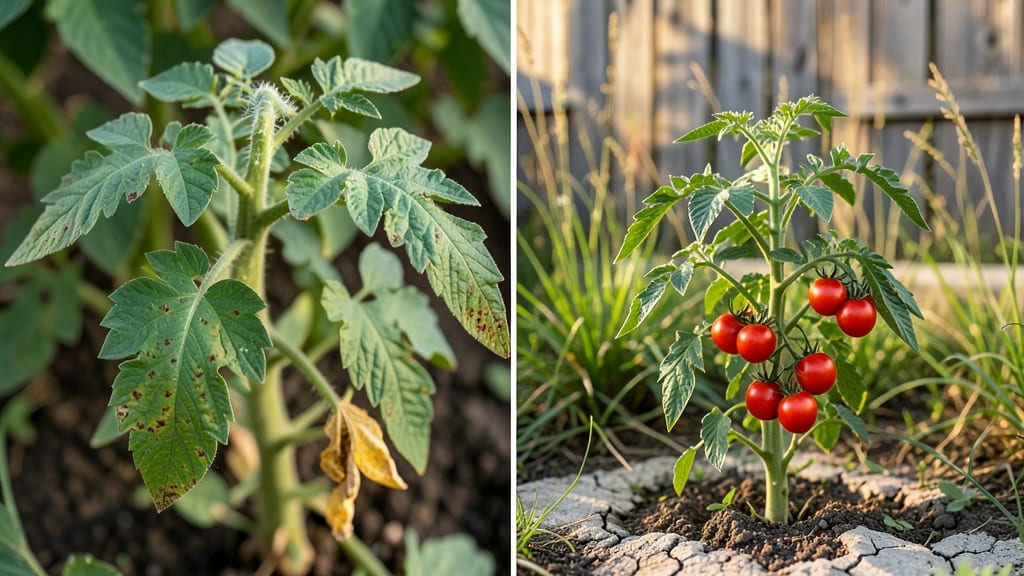
Your tomato plant is throwing blooms but no fruit, and the culprit might be hiding in plain sight. 🌱 I’ve seen this happen when calcium levels drop—leading to blossom end rot—or when pollination fails completely.
The good news? Both problems have simple fixes that can turn your plant into a tomato-producing machine within weeks.
First, check your soil’s calcium content—it’s often the missing link. A quick fix is to add crushed eggshells or a calcium-rich fertilizer like gypsum. I’ve also had success with a 1 tablespoon of Epsom salt per gallon of water sprayed on leaves weekly.
If your plant is struggling with pollination, grab a small paintbrush and gently tap the flowers to help bees do their job.
Once you address the root cause, you’ll see new fruit set within 10-14 days. The key is consistency—keep soil moist (not soggy), ensure 6-8 hours of sunlight daily, and watch for pests like aphids that can steal nutrients.
A thriving plant with proper care will reward you with buckets of tomatoes by summer’s end.
This works for heirloom, cherry, and beefsteak varieties alike. Whether you’re growing in containers or garden beds, the same principles apply. Let’s get those tomatoes growing!
Root Causes Of Missing Fruit
When your tomato plant throws out flowers but refuses to produce fruit, it’s usually a sign that something fundamental is off—often tied to the plant’s ability to set and develop blossoms into tomatoes. Here’s a breakdown of the most common why’s behind this frustrating garden mystery:
Tomatoes need pollen to move from the male anthers to the female stigma (the tiny cone at the center of each flower). Without this transfer, flowers wilt and drop without forming fruit.
Why it happens:
- Lack of pollinators: Bees, butterflies, and hummingbirds are the unsung heroes of tomato production. If your garden is isolated or pollinators are scarce (due to pesticides, weather, or timing), flowers may not get pollinated.
- Wind dependency: Some tomato varieties (like cherry tomatoes) rely on wind for pollination. If your garden is too sheltered or humid, pollen may not travel effectively.
- Hand-pollination oversight: In greenhouses or during rainy seasons, you might need to manually shake plants or use a small brush to transfer pollen.
Actionable fix:
- Plant pollinator-friendly flowers (like marigolds, basil, or borage) nearby to attract bees.
- Give plants a gentle shake in the morning when flowers are open.
- Use a soft paintbrush to transfer pollen between flowers if needed.
Tomatoes are dramatic divas—they will drop flowers or fail to set fruit if their needs aren’t met. Extreme conditions disrupt the delicate balance required for fruit development.
Why it happens:
- Temperature swings: Tomatoes thrive in 70–85°F (21–29°C). Below 55°F (13°C) or above 95°F (35°C), flowers may abort. Nighttime temps below 60°F (16°C) are especially problematic.
- Water stress: Too much water causes blossom end rot (yes, even before fruit forms), while too little leads to flower drop. Inconsistent moisture confuses the plant.
- Humidity extremes: High humidity (above 70%) can prevent pollen from drying and dispersing, while low humidity weakens flowers.
Actionable fix:
- Use row covers or shade cloth in extreme heat or cold snaps.
- Water deeply but consistently—aim for 1–1.5 inches per week, avoiding wetting flowers.
- Improve airflow with proper spacing (18–24 inches apart) to reduce humidity-related issues.
Tomatoes are heavy feeders, and a deficiency (or excess) of key nutrients can halt fruit production before it starts.
Why it happens:
- Nitrogen overload: Too much nitrogen (common in fast-release fertilizers) promotes leafy growth at the expense of flowers and fruit. Think of it as the plant binge-eating green matter instead of reproducing.
- Calcium deficiency: Even before blossom end rot appears, low calcium weakens cell walls in developing fruit, causing flowers to drop. This is especially true in sandy or acidic soils where calcium isn’t available.
- Phosphorus shortage: This nutrient is critical for flower and fruit development. Without enough P, plants may produce flowers but fail to set them.
- Potassium deficiency: Weakens overall plant health, making it harder to support fruit development.
Actionable fix:
- Do a soil test to check pH and nutrient levels. Tomatoes prefer pH 6.0–6.8.
- Switch to a balanced fertilizer (like 5-10-10) when flowers appear, then shift to a low-nitrogen, high-phosphorus formula (e.g., 2-10-10).
- Add calcium sources like crushed eggshells, gypsum, or calcium nitrate to the soil or foliar spray.
- Avoid over-fertilizing—more isn’t always better!
Hidden threats can weaken your plant or directly attack its reproductive parts, leading to no tomatoes.
Why it happens:
- Blossom end rot (early stages): While this usually appears on fruit, calcium-deficient flowers may drop before forming tomatoes.
- Fungal diseases (like early blight or powdery mildew) can distort flowers or prevent pollination by covering them in spores.
- Pests like aphids, whiteflies, or spider mites suck sap from flowers, causing them to wilt and drop before setting fruit.
- Viral infections (e.g., tomato mosaic virus) can stunt growth and reduce flowering.
Actionable fix:
- Inspect flowers daily for pests or fungal spots. Remove affected blooms immediately.
- Use neem oil or insecticidal soap to treat pest outbreaks early.
- Rotate crops and remove diseased plants to prevent spread.
- Improve garden hygiene—clean up debris where fungi and pests hide.
Not all tomatoes are created equal—some varieties are less productive under certain conditions or have specific pollination needs.
Why it happens:
- Determinate vs. indeterminate: Determinate tomatoes produce a single flush of fruit and may drop blooms if stressed during that window. Indeterminate varieties flower continuously but need consistent care.
- Self-pollinating vs. cross-pollinating: Some heirloom varieties require multiple plants for successful pollination.
- Early vs. late bloomers: If your climate has a short growing season, late-blooming varieties may not have time to mature fruit.
Actionable fix:
- Choose disease-resistant, high-yield varieties suited to your climate (e.g., ‘Celebrity’ for determinate, ‘Sungold’ for indeterminate).
- Start seeds early indoors to give plants a head start.
- Provide support (cages or stakes) to reduce stress on indeterminate varieties.
Fixing Your Tomato Plant’s Fruitless Struggle
Now that you know the root causes behind your tomato plant’s refusal to produce fruit, it’s time to roll up your sleeves and take action! The good news? Most of these fixes are simple, cost-effective, and can turn your sad-looking plant into a thriving tomato factory.
Below, we’ll break down practical solutions for each common issue, along with prevention tips to keep your plant healthy and productive long-term.
Problem: Dark, sunken spots on blossom ends mean your tomatoes are starving for calcium.
Solution: 🔥 Boost Calcium Immediately
- Crush eggshells into a fine powder and sprinkle them around the base of the plant (or mix into the soil). Eggshells are packed with calcium carbonate, which dissolves slowly and feeds your plant over time.
- Use crushed oyster shell or gypsum (calcium sulfate) as an alternative. Work 1–2 tablespoons into the top 2 inches of soil per plant.
- Apply a foliar spray of calcium nitrate (1 tsp per gallon of water) every 7–10 days. Spray the leaves in the early morning or late evening to avoid burning the foliage.
👨🍳 Adjust Watering Habits
- Water deeply but infrequently—aim for 1–2 inches per week. Shallow, frequent watering dilutes soil nutrients and stresses roots.
- Mulch heavily (2–3 inches of straw or wood chips) to retain moisture and prevent calcium leaching.
💡 Pro Tip: If your soil is sandy or acidic (pH below 6.0), calcium absorption drops. Test your soil’s pH and amend with lime if needed (aim for pH 6.0–6.8).
Problem: Extreme heat (above 90°F) stops pollen from reaching flowers, leading to dropped blossoms.
Solution: ✨ Shade Your Plants Strategically
- Use shade cloth (30–50%) over plants during peak afternoon heat. Secure it 2–3 feet above the plant to allow airflow.
- Plant near taller crops (like corn or sunflowers) to provide natural shade without blocking sunlight entirely.
🌿 Encourage Even Pollination
- Gently shake plants in the morning when flowers are open. This mimics wind pollination and helps pollen transfer.
- Hand-pollinate with a small paintbrush if your plants are heavily laden with flowers. Dust the brush on one flower, then another.
🎯 Choose Heat-Tolerant Varieties
- Swap out sensitive heirlooms for heat-resistant tomatoes like ‘Solar Fire,’ ‘Heatmaster,’ or ‘Arkansas Traveler.’ These varieties produce fruit even in sweltering conditions.
Problem: Fungal diseases (like early blight) or pests (hornworms, aphids) can weaken plants, reducing fruit set.
Solution: 🔪 Remove Infested Leaves & Fruit
- Prune away yellow or spotted leaves immediately to stop disease spread. Dispose of them in the trash (not compost).
- Pick off hornworms (look for green caterpillars with white stripes) and drop them in soapy water. Check plants every morning—they multiply fast!
💪 Strengthen Plant Immunity - Apply neem oil (1 tbsp per gallon of water) every 7–10 days as a fungicide and insect repellent.
Spray in the evening to avoid harming bees. - Rotate crops next season—don’t plant tomatoes or nightshades (peppers, eggplants) in the same spot for 3 years to break disease cycles.
🥗 Boost Soil Health
- Add compost (1–2 inches worked into the top 6 inches of soil) to improve nutrient uptake and microbial activity.
- Use beneficial nematodes (like Steinernema carpocapsae) to combat soil-borne pests.
Problem: Compacted, nutrient-poor soil or over-fertilizing with nitrogen (without potassium/phosphorus) stunts fruit production.
Solution: 📊 Test & Amend Your Soil
- Grab a DIY soil test kit (or send a sample to your local extension office) to check for nitrogen (N), phosphorus (P), and potassium (K). Tomatoes thrive with a balanced 5-10-10 or 10-10-10 fertilizer.
- Mix in well-aged compost (1 part compost to 3 parts soil) before planting. Avoid fresh manure—it can burn roots.
🍎 Fertilize Right
- Side-dress plants with a low-nitrogen, high-phosphorus fertilizer (like 0-10-10) when flowers appear. Scratch it into the soil 2–3 inches from the stem.
- Avoid high-nitrogen feeds (like lawn fertilizer) after flowering—this promotes leafy growth but fewer tomatoes.
⏰ Timing Matters
- Start fertilizing when plants are 6–8 inches tall, then every 3–4 weeks until harvest. Stop fertilizing 4–6 weeks before the first frost to harden off plants.
- Start with healthy seedlings—buy from reputable nurseries or grow from disease-resistant seeds.
- Plant at the right time—wait until soil temps are at least 60°F and night temps stay above 55°F.
- Prune wisely—remove suckers (side shoots) to improve airflow and redirect energy to fruit production.
- Monitor consistently—check plants daily for pests, wilting, or nutrient deficiencies.
Final Thought: Most tomato troubles are fixable with a little attention and the right adjustments. Start with calcium and watering, then tackle heat or pests as needed.
Before you know it, your plant will be bursting with juicy, red tomatoes—and you’ll have the satisfaction of knowing you saved the harvest! 🍅🔥
Frequently asked questions
Why do my tomato flowers keep falling off before turning into fruit?
This usually happens due to poor pollination, temperature stress, or nutrient imbalances. If your garden lacks bees, pollen isn't transferring properly. Extreme heat (above 90°F) or cold (below 55°F) also causes flowers to drop. Check for calcium deficiency—low calcium weakens cell walls, making flowers abort early.
Can I fix blossom end rot before it ruins my tomatoes?
Yes! Blossom end rot appears as dark, sunken spots on fruit but often starts with calcium-deficient flowers dropping first. Boost calcium immediately with crushed eggshells or gypsum, and water consistently (1-2 inches per week). Mulching helps prevent soil calcium from leaching. You should see improvement within 7-10 days.
How do I know if my tomato plant needs more phosphorus or potassium?
Look for these signs: Phosphorus deficiency (poor flower/fruit development) shows as dark green leaves with purple stems, while potassium deficiency causes yellow edges on older leaves. Test your soil first—tomatoes need balanced 5-10-10 fertilizer when flowering. Switch to low-nitrogen, high-phosphorus (2-10-10) once flowers appear.
Will hand-pollinating my tomato flowers actually work?
Grab a small paintbrush and gently transfer pollen from one flower to another in the morning when blooms are open. For heavy flower loads, shake plants lightly to mimic wind pollination. This works especially well in greenhouses or rainy seasons when pollinators are scarce. You'll often see fruit set within 3-5 days of proper pollination.
Can I still save my tomato plant if it's already producing no fruit?
Don't give up! First, remove all existing flowers to redirect the plant's energy to existing fruit. Then focus on consistent care: water deeply (1-2 inches weekly), add calcium-rich amendments, and protect from extreme temps. Many plants will rebloom within 2-3 weeks with proper attention. Prune suckers to improve airflow and reduce stress.