
Planting
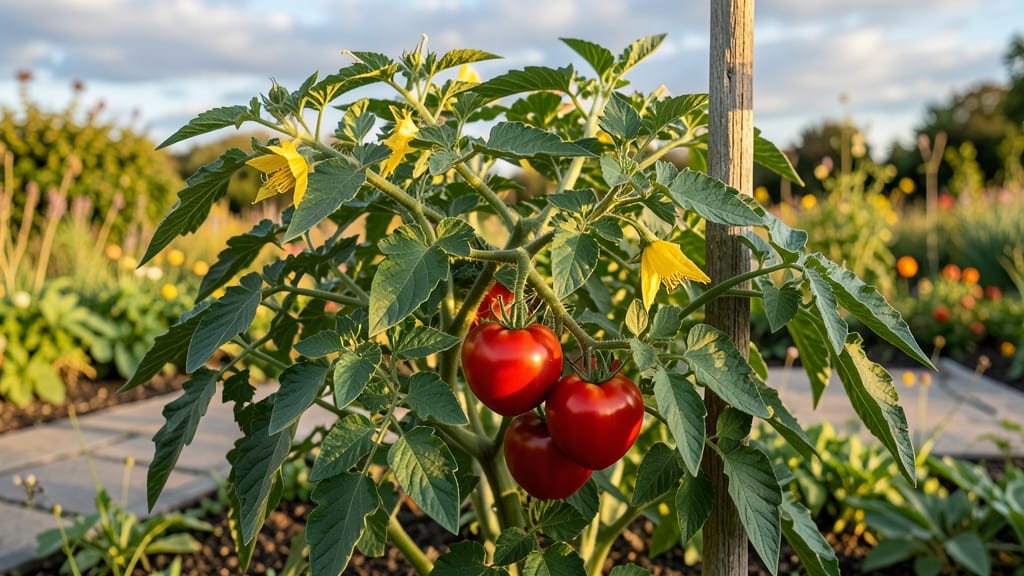
Growing an oxheart tomato plant means beefy, beef-red fruits that weigh a pound each—if you give them the right support from day one. 🌱 I learned the hard way that these giants need more than a flimsy cage; their 12-18 inch fruits will snap stems if left unsupported.
The secret lies in sturdy trellising, consistent watering, and a few pruning tricks that keep energy flowing into fruit instead of foliage.
Start with rich, well-draining soil mixed with compost—oxhearts love to feed—and plant after your last frost when soil stays above 60°F. These indeterminate plants keep growing until frost, so choose a spot with full sun (6+ hours daily) and room to sprawl.
The first step is installing a strong cage or stakes at planting; these tomatoes won’t climb like cherries, but they’ll lean heavily on whatever you provide.
You’ll know you’re doing it right when those first golf-ball-sized fruits appear in early summer, then swell into beefsteak-sized masterpieces by midsummer. Keep soil consistently moist (not soggy) and prune suckers regularly to focus the plant’s energy.
The payoff? A vine that stays upright under the weight of its own bounty, producing tomatoes so large they’ll make your neighbors jealous.
For cooler climates, opt for early-maturing varieties like ‘Oxheart Red’ or ‘Black Oxheart’—they’ll ripen before fall sets in. If you’re in a short season, start seeds indoors 6-8 weeks before transplanting.
The key to success is patience: these tomatoes take longer to mature than smaller varieties, but the flavor and size make every extra week worth it.
📚 In This Guide
- What you need
- Instructions
- Tips and common mistakes
- Wrapping up and next steps
What you need
- ● Oxheart tomato seeds or seedlings: Choose disease-resistant varieties like 'Heart of Fire' or 'Black Prince' (1-3 plants per gardener).
- ● Containers or garden bed: Containers: 5-gallon pots or larger (minimum 18" diameter) with drainage holes (2-3 plants per container).
- ● Garden bed: Full sun (6+ hours/day) with well-draining soil (pH 6.0–6.8).
- ● High-quality potting mix: Lightweight, nutrient-rich blend (e.g., 60% compost, 30% perlite, 10% vermiculite). 10+ gallons per plant.
- ● Tomato cages or stakes: Cages: 5–6 ft tall, sturdy wire (e.g., 5-gallon bucket cages for containers).
- ● Stakes: 6–8 ft bamboo or metal stakes + soft ties (e.g., tree ties or old T-shirts).
- ● Fertilizer: Balanced starter: 10-10-10 or 5-5-5 (1 tbsp per plant at transplanting).
- ● Bloom booster: Low-nitrogen, high-phosphorus (e.g., 5-10-10) every 2–3 weeks.
- ● Mulch: Straw or shredded leaves (2–3 inches) to retain moisture and suppress weeds.
- ● Pruning shears: Sharp, clean pair for harvesting and maintenance.
- ● Watering can or hose with nozzle: Drip irrigation or soaker hose preferred.
- ● Mycorrhizal fungi: Boosts root health (mix into soil at planting).
- ● Fish emulsion or compost tea: Organic liquid feed for extra nutrients.
- ● Row covers: Protects young plants from pests (remove when flowering).
- ● Grow lights: For indoor starters (12–16 hours/day).
- ● Plant support clips: Secures stems to stakes/cages without damage.
How to grow and support oxheart tomatoes without sagging
Here's my go-to method for keeping these beefy beauties upright and productive all season.
🌱 Step 1: Choose the Right Location and Plant Early
Oxheart tomatoes need full sun (8+ hours daily) and warm soil to thrive. I plant mine 2-3 weeks after last frost when soil reaches 60°F—any cooler and roots struggle to establish. Choose a spot with afternoon shade if you live in a hot climate, as the fruit can sizzle in direct midday sun.
The key here is patience. Don't rush—wait until nighttime temperatures stay above 55°F consistently. You'll know it's time when nearby plants start flowering. Dig a hole twice as wide as the root ball but only as deep as the container it came in. This encourages roots to spread horizontally for better stability.
🪴 Step 2: Build a Sturdy Support System Immediately
Oxheart tomatoes can weigh 1-2 pounds each, so support isn't optional—it's survival. I install a 5-foot tall tomato cage or heavy-duty wooden stake right when planting. For cages, I choose 16-gauge galvanized wire (thicker than standard) to prevent bending under weight. Drive stakes 18 inches deep for maximum stability.
Here's the trick: Weave the main stem through the cage or tie it to the stake with soft plant ties (never wire or zip ties—they cut into stems). Leave 3-4 inches of space between the plant and the top of the support. This gives the plant room to grow without toppling over when fruit swells.
💧 Step 3: Water Deeply and Consistently
Oxheart tomatoes have shallow roots that spread wide, so watering matters more than frequency. I aim for 1-2 inches of water per week, delivered at the base—not overhead. The soil should stay evenly moist but not soggy—think of a damp sponge, not a dripping one. You'll know you're on track when the top 2 inches of soil feel dry to touch between waterings.
Morning watering is best—it gives foliage time to dry before evening, preventing fungal diseases. Mulch with 3-4 inches of straw or shredded leaves to lock in moisture and keep roots cool. Avoid wetting leaves when possible; I use a soaker hose for precision.
✂️ Step 4: Prune Strategically for Heavy Fruit Loads
Oxheart tomatoes produce 20-30 pounds per plant, so pruning isn't optional—it's how you prevent the whole plant from snapping. Remove suckers (side shoots) regularly, keeping only 1-2 main stems per plant. These suckers drain energy that could go to fruit development. Pinch them off when they're 2-3 inches long—any longer and they'll compete for nutrients.
Also, trim lower leaves that touch the ground to improve airflow and reduce disease risk. I leave 18 inches of bare stem at the base—this helps prevent soil-borne diseases from climbing up. The goal is to direct all energy to the top of the plant where the fruit forms.
☀️ Step 5: Monitor and Adjust Support as Fruit Develops
Here's where most gardeners fail: checking support weekly as fruit swells. When tomatoes reach golf-ball size, I add extra cross-bracing to cages or tie fruit to the support with soft fabric strips. Never let a single tomato hang unsupported—it'll pull the whole plant over.
Watch for cracks in the stem near the fruit. This happens when growth is too fast. If you see it, reduce water slightly and shade the plant for a few days to slow expansion. Harvest fruit when it's fully colored but still slightly firm—this prevents overloading the plant with too much weight at once.
Tips & tricks for growing sturdy oxheart tomatoes
These game-changing techniques will transform your tomato harvest from floppy failures to towering, fruit-loaded giants.
Soil Temperature Secret: The 60°F soil temperature in Step 1 isn't just a number—it's the magic threshold where roots activate their growth hormones. I've seen plants planted in 55°F soil struggle for weeks to establish. For faster results, use a soil thermometer to confirm temperature before planting. If your soil runs cool, consider black plastic mulch laid a week beforehand to warm it up naturally. The difference between 55°F and 60°F soil can mean the difference between a plant that thrives and one that merely survives.
Support System Upgrade: When installing your 5-foot tall tomato cage in Step 2, I recommend adding a 6-inch wide base plate (made from scrap wood or plastic) to distribute weight. This prevents cages from tipping when heavy fruit loads develop. For stakes, I use 2x4 lumber instead of wooden stakes—they're wider and won't bend under 1-2 pound tomatoes. The 18-inch deep placement isn't just about stability; it also encourages deeper root growth that anchors the plant better during storms.
Watering Precision: The 1-2 inches of water per week guideline in Step 3 is perfect, but timing matters more than you'd think. I've found that watering at 7-8 AM gives foliage maximum drying time before evening humidity sets in. For the 2-inch dry soil check, I use a wooden dowel instead of fingers—it's more precise and less messy. When you see water beading on leaves after watering, that's your cue to switch to the soaker hose immediately to prevent fungal issues.
Pruning Pro Tip: That 18-inch bare stem recommendation in Step 4 isn't arbitrary—it's based on disease patterns. The lower 18 inches of stem is where soil-borne pathogens like early blight enter the plant. By keeping this zone clear, you're creating a natural barrier. When pinching those 2-3 inch suckers, I use my thumbnail to make a clean break rather than tearing—this prevents damage that could invite pests. And here's what nobody tells you: the 1-2 main stems should be spaced about 6 inches apart when you weave them through the support for even weight distribution.
Pro Tips for Oxheart Tomato Plant
- These game-changing techniques will transform your tomato harvest from floppy failures to towering, fruit-loaded giants.
- Soil Temperature Secret: The 60°F soil temperature in Step 1 isn't just a number—it's the magic threshold where roots activate their growth hormones.
- Support System Upgrade: When installing your 5-foot tall tomato cage in Step 2, I recommend adding a 6-inch wide base plate (made from scrap wood or plastic) to distribute weight.
Frequently asked questions
Got questions about growing oxheart tomato plants? You’re not alone! Here are some of the most common queries—and their answers—to help you cultivate a thriving harvest without the hassle.
How do I know if my oxheart tomato plant needs a support system?
Oxheart tomatoes are heavy—a single fruit can weigh 1–2 pounds! If you notice leaves drooping under the weight or stems bending, it’s time to act. Use a cage, stake, or trellis early (even before flowering) to prevent stress. Pro tip: A tomato savior or Florida weave works wonders for these beefy beauties!
When is the best time to plant oxheart tomatoes?
Start seeds indoors 6–8 weeks before your last frost date (or buy transplants). Move them outdoors after soil temps hit 55°F+ and nighttime temps stay above 50°F. Oxhearts thrive in warm climates (Zones 7–11) but can be grown in cooler areas with season extenders or greenhouses.
Can I grow oxheart tomatoes in containers? What size pot do I need?
These vining plants need space—opt for a 5-gallon container minimum (bigger = better for heavy fruit). Use a balanced potting mix with compost and add trellis support inside the pot. Warning: Containers dry out faster, so water consistently and fertilize every 2–3 weeks.
Why are my oxheart tomato leaves turning yellow or curling?
Yellow leaves often signal overwatering, nutrient deficiency, or pests. Check for:
- Blossom end rot (calcium deficiency)—fix with crushed eggshells or calcium spray.
- Spider mites or aphids—spray with neem oil or soapy water.
- Fungal issues (like early blight)—improve airflow and avoid wetting leaves.
Prune damaged leaves to redirect energy to fruit production.
What’s a good alternative if oxheart tomatoes are too large for my space?
If oxhearts are too bulky, try these heirloom tomato varieties with similar flavor but smaller size:
- Brandywine (beefsteak, 8–12 oz fruits)
- Cherokee Purple (large but more compact, 6–10 oz)
- San Marzano (plum-type, great for sauces, 2–3 oz)
- Roma (disease-resistant, determinate growth)
For container gardens, tiny tim or patio princess are stellar picks!
Wrapping up and next steps
Growing an oxheart tomato plant is a rewarding journey that brings bold flavors and stunning visuals to your garden! With the right support—like sturdy cages or trellises—and a little care, you’ll enjoy heavy, heart-shaped fruits that stay firm and delicious.
Whether you’re a seasoned gardener or a beginner, this variety is a game-changer for your harvest.
Ready to take the next step? Start by sketching your garden layout—mark where your oxheart tomatoes will thrive in full sun. Then, gather your supplies, follow the planting tips, and watch your garden transform into a flavor-packed paradise! 🌱✨