
Plants
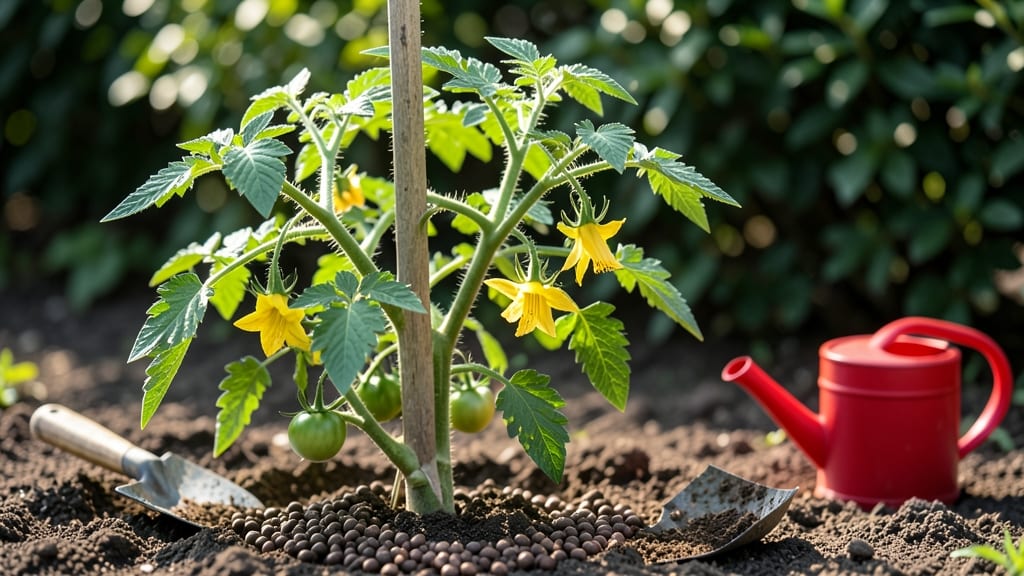
Fertilizing tomato plants at the right time boosts growth and fruit production—timing matters more than you might think, especially for 🍅 plants in Zone 6a.
Struggling to decide when to fertilize your tomato plants can mean the difference between a bountiful harvest and disappointing yields—timing is everything for healthy growth and fruit production.
Most gardeners skip fertilizing too early, only to watch their plants struggle when they need nutrients most. The key is feeding them at the right stages: right after transplanting, during flowering, and when fruit starts forming.
Below, I’ll break down the exact schedule by growth phase, plus how to spot nutrient deficiencies and avoid overdoing it. Ready to grow bigger, tastier tomatoes?
Optimal tomato plant fertilization schedule by growth stage
Fertilizing your tomato plants at the right time ensures strong roots, abundant blooms, and juicy fruit—not just any time. Each growth stage demands different nutrients, and feeding them at the wrong moment can actually hinder production.
For example, overdoing nitrogen during flowering can delay fruit set, while skipping phosphorus when buds form means fewer tomatoes. Let’s break down the exact timing and nutrient needs for each phase.
Tomatoes thrive when fertilized strategically, not just randomly. The key is understanding their three critical phases: vegetative growth (leafy stems), flowering (bud formation), and fruiting (tomato development). Each phase requires a different nutrient balance—nitrogen for leaves, phosphorus for roots and flowers, and potassium for fruit quality.
Missing the mark can lead to stunted plants, poor yields, or even blossom-end rot.
Here’s how to align your fertilization with your tomato’s natural growth cycle, using a stage-by-stage approach that maximizes your harvest. Whether you’re using organic compost or synthetic blends, timing matters more than the product itself.
| Growth Stage | Primary Nutrient Needs | Fertilizer Type | When to Apply | Signs of Success |
|---|---|---|---|---|
| Seedling Stage (0-4 weeks) | Nitrogen (N) for leaf growth | Balanced starter fertilizer (e.g., 10-10-10) | After transplanting, then every 2-3 weeks | Lush green leaves, sturdy stems |
| Flowering Stage (4-6 weeks) | Phosphorus (P) for blooms | Bloom booster (e.g., 5-10-10 or fish emulsion) | When first flowers appear, then every 2 weeks | Abundant buds, strong stems |
| Fruiting Stage (6+ weeks) | Potassium (K) for fruit quality | Fruiting fertilizer (e.g., 0-10-20 or compost tea) | After first harvest, then every 3-4 weeks | Heavy fruit set, vibrant colors |
| Post-Harvest Recovery | Balanced nutrients for regrowth | Light organic feed (e.g., worm castings) | After main harvest, before dormancy | New leaf growth, no wilting |
During the seedling stage (first 4 weeks), focus on nitrogen-rich fertilizers to build strong stems and leaves. Use a balanced starter fertilizer like 10-10-10 when transplanting seedlings into the garden.
Avoid heavy feeding here—too much nitrogen can delay flowering. Instead, aim for a light application every 2-3 weeks to encourage steady growth without overpowering the roots.
When your tomatoes transition to the flowering stage (typically 4-6 weeks after planting), switch to a phosphorus-heavy fertilizer like 5-10-10 or organic options such as bone meal. This nutrient promotes root development and flower production.
Apply it when the first buds appear and repeat every 2 weeks. Watch for yellowing leaves or weak stems—these are signs your plants need phosphorus to support their blossoms.
The fruiting stage is where potassium (K) becomes critical. Use a low-nitrogen, high-potassium fertilizer like 0-10-20 or compost tea to improve fruit quality and disease resistance. Fertilize after the first harvest and continue every 3-4 weeks.
Potassium helps prevent blossom-end rot and ensures your tomatoes are sweet and firm. If you notice brown spots on fruit or weak vines, it’s time to boost potassium levels immediately.
After your main harvest, don’t stop fertilizing entirely—post-harvest recovery is key for next year’s plants. Apply a light organic feed like worm castings or a balanced fertilizer to replenish nutrients in the soil.
This step is especially important if you’re growing tomatoes in containers or heavy-yielding varieties. Avoid over-fertilizing now, as the plants are preparing for dormancy or the next growing season.
Climate plays a huge role in fertilization timing. In warmer climates, tomatoes grow faster, so you may need to fertilize more frequently—every 2 weeks during peak summer.
In cooler regions, stretch out applications to every 3-4 weeks and use organic matter like compost to retain moisture and nutrients. Always water your plants before fertilizing to prevent root burn, especially with synthetic blends.
Pro tip: Side-dressing is a game-changer for tomatoes. Instead of top-dressing, apply fertilizer alongside the plants (not touching the stems) and water it in. This method mimics natural nutrient distribution and reduces waste.
For organic gardeners, fish emulsion or kelp meal are excellent choices—they provide a balanced nutrient boost without the risk of burning roots.
Remember, less is often more with tomatoes. Over-fertilizing can lead to excessive foliage at the expense of fruit, or even toxic buildup in the soil. Always follow the package instructions and adjust based on your plant’s response.
If your tomatoes look lush but fruitless, cut back on nitrogen. If they’re small
Signs your tomato plants need fertilizer (and when to avoid it)
Your tomato plants might be silently begging for nutrients without you realizing it. Yellowing leaves, stunted growth, or small blossoms that drop before fruiting are classic red flags.
These signs often appear when your plants lack essential nutrients like nitrogen, phosphorus, or potassium—but timing your fertilizer application correctly is just as important as applying it at all.
Over-fertilizing can cause burned roots, blossom-end rot, or even leaf curl, which stunts fruit production. The key is balancing nutrient delivery with your plant's natural growth cycle. For example, early season plants need nitrogen for leafy growth, while flowering plants crave phosphorus to develop fruit.
Organic fertilizers like compost or fish emulsion release nutrients slowly, making them ideal for consistent feeding. Synthetic fertilizers, however, provide an immediate boost but require careful monitoring. If you're unsure whether to fertilize, check the soil first—healthy soil often means your plants don’t need extra nutrients yet.
When Should You Fertilize Tomato Plants?
✅ DO Fertilize When...
- Plants are 6-8 inches tall (early growth stage)
- Leaves show nitrogen deficiency (pale yellow lower leaves)
- Flowering begins (switch to phosphorus-rich fertilizer)
- Fruiting stage continues (use potassium-heavy fertilizer)
❌ DON'T Fertilize When...
- Plants are stressed (wilting, disease, or transplant shock)
- Soil is already nutrient-rich (recent compost or manure)
- Temperature drops below 50°F (roots absorb poorly)
- Plants show burn symptoms (brown leaf edges or stunted growth)
Pro Tip: Always water plants before fertilizing to prevent root burn.
If your tomato leaves develop purple stems or yellow edges, it’s a sign of phosphorus or potassium deficiency. In this case, a balanced 10-10-10 fertilizer or a banana peel tea (for potassium) can help.
But avoid overdoing it—too much phosphorus can lead to excessive foliage at the expense of fruit production.
Another warning sign is blossom-end rot, a calcium deficiency often mistaken for over-fertilization. While calcium amendments (like crushed eggshells) can help, the root cause is usually uneven watering or excessive salt buildup from over-fertilizing. Always pair fertilization with deep, consistent watering to prevent this issue.
For organic gardeners, I recommend side-dressing with compost every 4-6 weeks during the growing season. For synthetic fertilizers, follow the package instructions closely—most suggest applying every 2-3 weeks once flowering begins. Always stop fertilizing 4-6 weeks before your first frost to allow plants to harden off naturally.