
How To
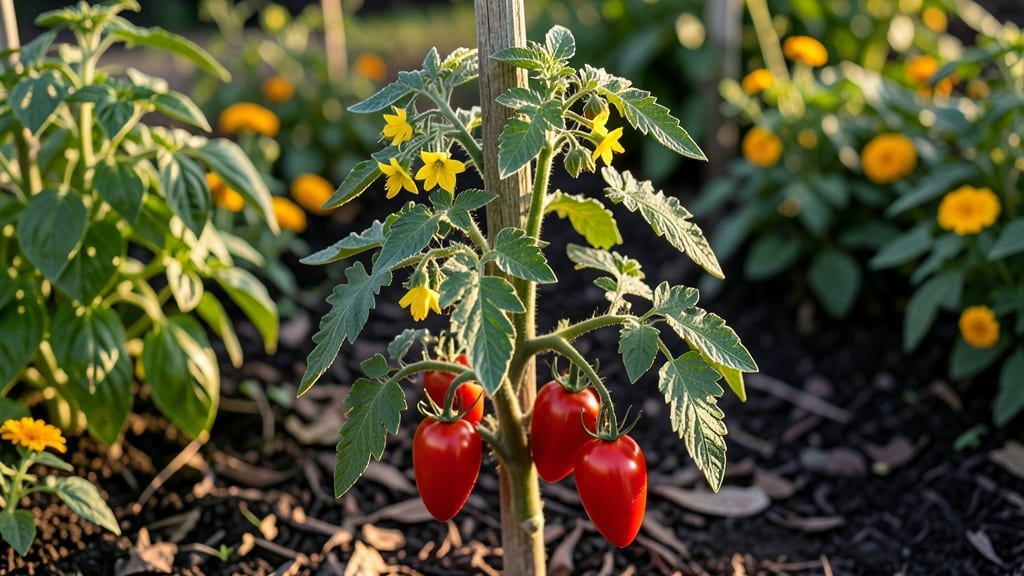
Roma tomato plants grow between 3 and 6 feet tall when left unpruned, turning your garden into a lush, vine-covered jungle if you don’t guide them.
If you're planning to grow Roma tomatoes in your garden but worry about space constraints, understanding their growth habits is key to maximizing yields without sacrificing your layout.
Most Roma varieties are indeterminate, meaning they keep growing taller and producing fruit until frost—unless you prune or support them. Without intervention, they can reach 6 feet or more, sprawling across your garden bed or fence.
In this guide, I’ll break down how to control their height, from choosing compact varieties to using trellises and pruning tips that keep them manageable while boosting your harvest.

Average height of Roma tomato plants and space requirements
If you're planning to grow Roma tomatoes in your garden, knowing their mature height is essential for proper spacing and support. These indeterminate varieties can grow surprisingly tall—typically reaching 4 to 6 feet—with some vines extending even longer if left unchecked.
Their vertical growth pattern makes them ideal for trellises or cages, but without support, they can sprawl and take up more space than expected.
Unlike cherry tomatoes, which stay compact at 2–3 feet, or beefsteak varieties that can tower up to 8 feet, Roma tomatoes strike a balance. Their moderate height and dense foliage make them perfect for small to medium gardens, but proper planning ensures they don’t overwhelm your layout.
Understanding their growth habits helps you maximize yields while keeping your garden organized.
Roma tomatoes are known for their vertical growth, which means they’ll grow taller rather than wider. This makes them great candidates for vertical gardening techniques, like trellises or stakes, which save space and improve air circulation. Without support, however, their vines can sprawl up to 8 feet or more, especially in warm climates.
Here’s a quick comparison to help you visualize their size:
| Characteristic | Roma Tomatoes | Cherry Tomatoes | Beefsteak Tomatoes |
|---|---|---|---|
| Mature Height | 4–6 ft (with support) | 2–3 ft | 6–8 ft |
| Vine Length | 6–10 ft (unsupported) | 3–5 ft | 10–12 ft |
| Space per Plant | 18–24 in (with trellis) | 12–18 in | 24–36 in |
| Growth Pattern | Indeterminate (vertical) | Indeterminate (compact) | Indeterminate (tall) |
| Support Needed | Trellis, cage, or stake | Optional (but helpful) | Essential (strong support) |
The space requirements for Roma tomatoes depend on whether you’re using a support system. Without one, they’ll sprawl widely, requiring up to 3 feet of space in all directions.
With a trellis or cage, however, you can reduce their footprint to just 18–24 inches between plants, making them ideal for small gardens or containers.
One key factor influencing their height is pruning. Regularly removing suckers (the small shoots that form in the leaf axils) encourages the plant to grow taller and produce more fruit. If you prefer a bushier, shorter plant, you can prune more aggressively to limit vertical growth.
This technique is especially useful if you’re growing Roma tomatoes in containers or have limited vertical space.
Another consideration is the climate you’re growing in. In warmer regions, Roma tomatoes may grow faster and taller due to longer growing seasons. In cooler climates, their growth might be slower, and they could stay closer to the 3–4 foot range.
Always check your local USDA hardiness zone and adjust your expectations accordingly.
When planning your garden layout, think about vertical gardening as a space-saving solution. Roma tomatoes thrive on trellises, which not only save space but also improve air circulation, reducing the risk of disease.
If you’re short on space, consider growing them along a fence or wall, where their vines can climb upward without taking up valuable ground space.
For container gardening, choose a pot that’s at least 12–15 inches deep and wide enough to accommodate the plant’s root system. Since Roma tomatoes are heavy producers, ensure your container has drainage holes and use a lightweight potting mix to avoid tipping over as the plant grows.
With proper support, you can grow Roma tomatoes in containers and still enjoy a bountiful harvest.
Finally, remember that regular harvesting encourages more fruit production. The more you pick, the more your Roma tomato plant will focus on producing new fruit rather than just growing taller. This practice not only maximizes your yield but also keeps the plant at a more manageable height. Happy growing!
Best compact Roma tomato varieties for small gardens
If you're working with limited garden space but still want to grow delicious Roma tomatoes, choosing the right variety is essential. Many traditional Roma plants grow 4-6 feet tall, but compact or determinate varieties stay under 3-4 feet—perfect for containers, small plots, or tight spaces.
These varieties produce plum-shaped fruits ideal for sauces, pastes, and canning while keeping your garden organized and productive.
Compact Roma tomatoes are typically determinate growers, meaning they produce fruit in clusters and stop growing once they reach maturity. This makes them predictable and easier to manage in small-space gardens. Below, I’ve highlighted the best space-saving Roma varieties that deliver high yields without overwhelming your layout.
Compact Roma Tomato Varieties: Pros and Cons
| Variety | Height | Pros | Cons |
|---|---|---|---|
| Roma VF | 3-4 ft | Virus-resistant, high yield, great for containers | Slightly smaller fruits than standard Roma |
| Roma II | 3-4 ft | Determinate, early producer, disease-resistant | May need staking for heavier fruit loads |
| Roma Red | 3-4 ft | Classic Roma flavor, compact growth, great for sauces | Susceptible to early blight without preventative care |
| Roma Dwarf | 2-3 ft | Ideal for containers, minimal pruning needed | Lower overall yield compared to taller varieties |
All varieties thrive in full sun and well-draining soil. Use cages or stakes to support plants as they bear fruit.
The Roma VF variety is a top choice for small gardens because it’s virus-resistant and stays under 4 feet tall. It’s perfect for container gardening or tight garden beds, producing plum-shaped tomatoes that are ideal for sauces and pastes.
If you’re looking for an early producer, the Roma II variety is another excellent option, maturing quickly and offering disease resistance.
For those who prioritize classic Roma flavor, the Roma Red variety is a great pick. It maintains the traditional taste while staying compact enough for small spaces.
However, it may require extra care against early blight, so consider using mulch or fungicides if your area is prone to this disease. If you’re growing in containers or raised beds, the Roma Dwarf variety is a fantastic choice, reaching only 2-3 feet tall.
When selecting a compact Roma variety, consider your garden layout and harvest goals. If you’re growing in containers, prioritize dwarf varieties like Roma Dwarf.
For in-ground planting, taller but still compact options like Roma VF or Roma II will give you more yield without taking up excessive space. Always ensure your plants receive 6-8 hours of sunlight and consistent watering to maximize their potential.
With the right variety, you can enjoy homegrown Roma tomatoes even in the smallest of gardens. These compact options prove that space-saving doesn’t mean sacrificing flavor or yield. Happy gardening! 🌱