
How To
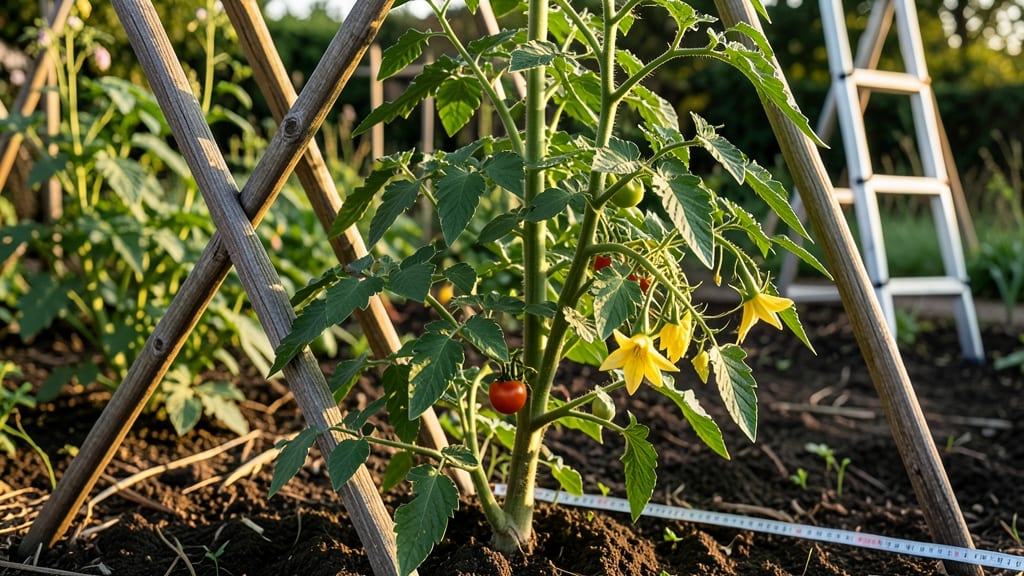
How tall can tomato plants grow? They can range anywhere from 1 foot to over 12 feet, depending on the variety and care you provide—some stay neat and bushy while others climb like jungle vines.
If you’ve ever watched your tomato plants stretch toward the sky like they’re reaching for the clouds, you’re not alone—tomato height varies dramatically by variety, from compact bush types to towering giants that need serious support.
Understanding these differences isn’t just about bragging rights; it directly impacts your garden layout, staking strategy, and even how many tomatoes you’ll harvest. A 3-foot dwarf variety fits neatly in a container, while a 10-foot indeterminate plant needs a trellis or cage to stay upright.
In this guide, I’ll break down the height ranges of popular varieties, share tips to control overgrowth, and explain when to let your plants run wild (or rein them in). Ready to plan your perfect tomato tower?

Tomato plant height by variety: from dwarf to sky-high giants
Tomatoes aren’t one-size-fits-all—some stay as small as dwarf shrubs while others climb like jungle vines toward the sky. This dramatic height range (from 12 inches to 12 feet!) directly affects your garden’s layout, pruning needs, and even harvest efficiency.
Understanding these differences helps you choose the right varieties for your space and support system.
Height isn’t just about aesthetics—it determines spacing requirements, staking needs, and even fruit production. A 6-foot Sungold needs a sturdy trellis, while a 1-foot Tiny Tim thrives in containers. Let’s break down the three main categories of tomato height and what each means for your garden.
📌 Key Takeaway: Determinate varieties grow to a fixed height and stop, while indeterminate types keep growing until frost. Semi-determinate varieties fall somewhere in between—taller than bushes but not endless climbers.
Dwarf varieties like 'Tiny Tim' (just 12 inches tall) are perfect for container gardening or windowsills. Their compact size means they produce all their fruit in one go, ideal for canning or quick harvests. However, their limited height also means fewer total tomatoes compared to taller types.
Semi-determinate varieties strike a balance—think 'Sweet 100' or 'Celebrity', which grow 3–5 feet tall. These plants produce fruit in stages, giving you a prolonged harvest without requiring the same level of support as indeterminate types.
They’re great for balconies or small gardens where space is limited but you still want variety.
Indeterminate tomatoes are the sky-scrapers of the tomato world. Varieties like 'Sungold' or 'Brandywine' can reach 10+ feet if left unchecked, producing fruit continuously until frost. This means you’ll need strong trellises or cages and regular pruning to manage their growth and prevent disease in dense foliage.
Height also affects fruit production. Taller indeterminate varieties often yield more total tomatoes, but their fruit may be smaller and spread out over a longer season. Dwarf varieties produce fewer but larger, heirloom-style tomatoes all at once.
Choose based on your harvest goals—whether you prefer a steady supply or a big batch for preserving.
Another critical factor is spacing. Dwarf tomatoes need 18–24 inches between plants, while indeterminate varieties require 3–4 feet of space (or vertical support) to avoid crowding.
Poor spacing leads to poor air circulation, increasing the risk of fungal diseases like blight. Always check variety tags for recommended spacing.
If you’re short on space but love tall varieties, consider vertical gardening. Use trellises, stakes, or even hanging baskets to grow indeterminate types in small areas. Just ensure your support system is sturdy—a 10-foot tomato plant with ripe fruit is surprisingly heavy!
Pro tip: For first-time growers, start with semi-determinate varieties like 'Early Girl'. They’re forgiving, productive, and don’t require the same intensive care as indeterminate giants. Once you’re comfortable, experiment with dwarf or towering types to see what thrives in your climate.
How to control tomato plant height: pruning, staking, and training tips
Managing your tomato plant’s height isn’t just about aesthetics—it’s a critical factor for fruit production and garden efficiency. Indeterminate varieties like 'Sungold' can grow 6-10 feet tall, while bush types like 'Patio' stay under 2 feet.
Without proper training, even compact plants can become top-heavy and flop over, risking lost harvests.
Your first step is understanding why height control matters. Tall plants need support structures to prevent stem breakage, while over-pruning can reduce flower clusters. The key is balance—encourage upward growth when needed but prune strategically to maintain air circulation and sunlight penetration to the lower leaves.
Over-pruning suckers (the shoots in the leaf axils) can reduce fruit production by up to 30%. These suckers aren’t just "weeds"—they become future fruit-bearing branches. Only remove suckers larger than a pencil and below the first flower cluster to avoid stunting growth.
Start with pruning suckers, which are the side shoots growing between the main stem and branches. Use clean, sharp pruners to snip these 1/4 inch above the leaf junction.
For indeterminate varieties, focus on removing suckers below the first flower cluster to direct energy to fruit development. Determinate types need minimal pruning—just remove dead or diseased leaves to keep air flowing.
Next, choose the right support system for your variety. Tomato cages (5-6 feet tall) work well for medium-height indeterminates, while trellises are better for tall varieties like 'Cherokee Purple'. Install supports early—as soon as plants hit 12 inches—to avoid root disturbance.
For heavy-fruiting plants, use wooden stakes tied with soft plant ties to prevent stem damage.
Don’t forget training techniques like topping, where you pinch off the main stem of indeterminate plants to encourage bushier growth. Do this after the last fruit cluster of the season to redirect energy to existing branches.
Pair this with regular watering (1-2 inches per week) and balanced fertilizer (5-10-10) to keep plants vigorous without overgrowth.
Finally, monitor your plants for signs of stress, like yellowing leaves or drooping stems, which can signal over-pruning or underwatering. Adjust your approach seasonally: prune less in late summer to protect developing fruit from cold snaps.
With these techniques, you’ll maximize space, improve yields, and keep your tomatoes growing strong all season. 🌱