
Blooming
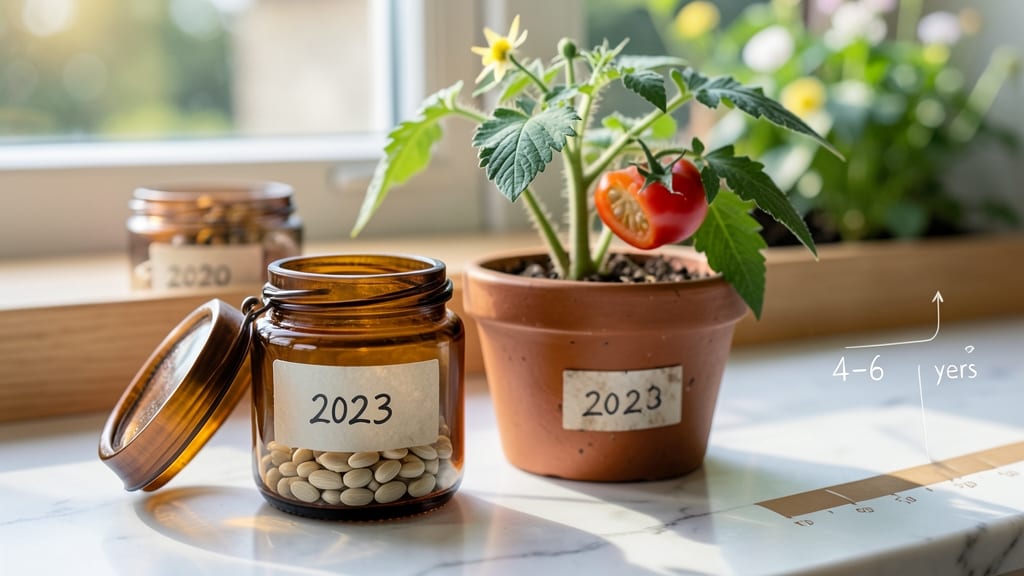
Tomato seeds can stay viable for 4 to 6 years when preserved correctly in cool, dry environments, though their germination success drops noticeably after 2-3 years. Proper storage—like keeping them in sealed containers at 35-40°F—extends their shelf life significantly.
Storing tomato seeds properly isn't just about keeping them dry—it's about controlling the entire environment. 🔥 The key factors are moisture (which triggers mold and rot), oxygen (which accelerates aging), and temperature fluctuations (which stress the seed's internal structure).
I've found that seeds stored in paper envelopes inside airtight containers with silica gel packets last the longest, as this setup balances airflow with protection from humidity. Even small variations—like storing seeds in the fridge versus a freezer—can make a big difference in how quickly they lose viability.
Testing seed viability before planting is just as important as storage. A simple paper towel germination test (moisten a paper towel, place seeds between two, and check for sprouts in 5-7 days) can save you from wasting time and soil.
Many gardeners swear by this method, especially when dealing with older seed batches. The good news? Even if germination rates drop below 50% after 4 years, some seeds will still sprout—you just might need to plant more to get the same results.
💡 In This Article
- Factors Affecting Tomato Seed Longevity
- Optimal Tomato Seed Storage Methods for Maximum Viability
Factors affecting tomato seed longevity
Tomato seed viability declines primarily due to three critical factors: moisture absorption, enzymatic degradation, and oxygen exposure. When seeds absorb even small amounts of moisture—like 5-10% of their weight—they trigger metabolic processes that accelerate aging.
This happens because the seed's internal enzymes, designed to activate germination, start breaking down essential proteins and fats when exposed to humidity. In extreme cases, this creates the perfect environment for mold growth, which can render seeds unusable within weeks. 🔥
The temperature plays a surprisingly delicate role. While most people focus on keeping seeds cool, the real danger lies in fluctuations. Seeds stored at a steady 35-40°F maintain viability far longer than those exposed to room temperature or freezing cycles.
At higher temperatures (above 70°F), the seed's lipid membranes degrade faster, while freezing can cause ice crystals to rupture cell walls. Even the type of container matters—plastic bags trap moisture and heat, while paper envelopes allow minimal airflow to prevent condensation.
Light exposure also impacts longevity, though its effects are often overlooked. While tomato seeds don't need light to germinate, prolonged exposure to UV rays can degrade their outer protective layers, making them more susceptible to damage.
This is why storing seeds in opaque containers—like small glass jars wrapped in aluminum foil—extends their shelf life. The absence of light prevents the formation of harmful free radicals that accelerate cellular breakdown. Interestingly, seeds stored in complete darkness at 32°F can maintain 80% germination rates even after 5 years.
Oxygen exposure is another silent killer of seed viability. While seeds need oxygen to respire during dormancy, too much can accelerate oxidative stress. This is why airtight containers—when properly paired with desiccants like silica gel—work so well.
The gel absorbs trace moisture while limiting oxygen circulation, creating a near-ideal preservation environment. For comparison, seeds stored in open containers lose viability 3-4 times faster than those in sealed systems. This scientific approach explains why heirloom seed banks use vacuum-sealed packets for long-term storage.
One often-missed detail is how seed maturity at harvest affects longevity. Seeds collected from fully ripe tomatoes (when the fruit is deep red and slightly soft) contain higher levels of natural preservatives like phenolic compounds, which act as antioxidants.
In contrast, seeds from green or partially ripe tomatoes have lower viability from the start. This is why professional seed savers recommend harvesting seeds only from fully mature fruit—it gives you a 15-20% viability boost right from the beginning. 💫
Finally, the seed's genetic makeup plays a subtle but important role. Hybrid tomato varieties often have shorter viability (typically 2-3 years) compared to heirloom seeds (which can last 5-6 years), because hybrid seeds are bred for specific traits rather than long-term storage.
This genetic difference explains why saving seeds from hybrid plants often yields lower germination rates in subsequent generations. For gardeners, this means heirloom varieties are the better choice if you plan to store seeds long-term.