
Companion Plants
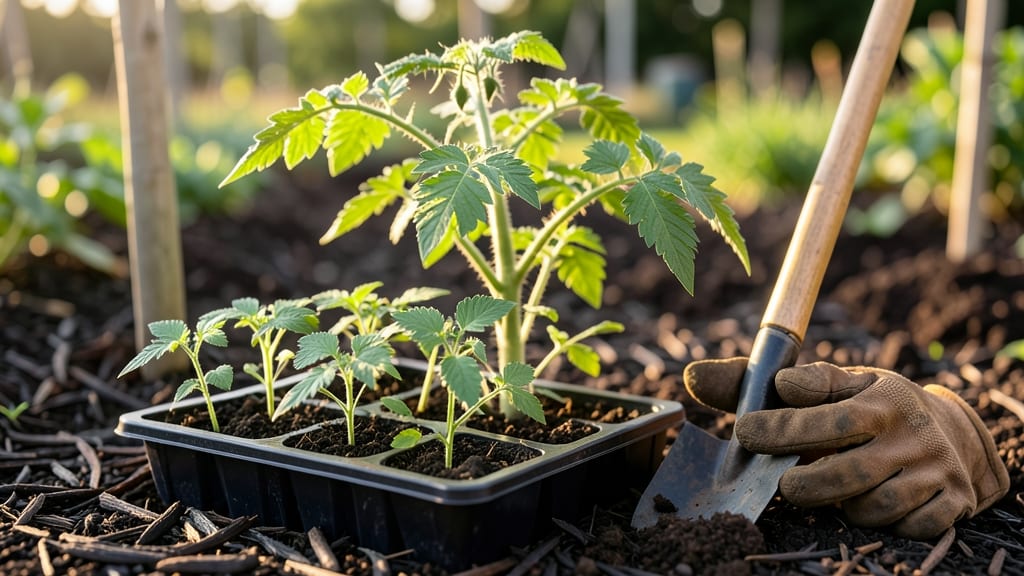
You can plant tomato seeds directly in the ground in warm climates or late spring, but success depends on well-draining soil, consistent moisture, and frost protection. Cooler regions should start seeds indoors 6-8 weeks earlier for stronger seedlings.
Direct sowing tomato seeds works best when soil temperatures stay above 60°F—that's when seeds germinate reliably. 🌱 I've found that adding compost improves drainage while retaining moisture, which is critical since tomato seedlings need steady hydration.
The key is patience: young plants are vulnerable to temperature swings and pests, so mulching helps regulate soil warmth and suppress weeds. If your area has late frosts, opt for indoor starts to give seedlings a head start before transplanting.
For best results, plant seeds ¼ inch deep and space them 2-3 feet apart—this prevents overcrowding as plants mature. After germination, keep soil consistently moist but avoid soggy conditions, which can rot delicate roots.
A light layer of straw mulch after germination helps lock in moisture and keep soil temperatures stable during the day.
💡 In This Article
- Optimal Soil and Climate Conditions for Direct Tomato Seed Planting
- Step-by-Step Guide: Direct Tomato Seed Planting in Outdoor Gardens
Optimal soil and climate conditions for direct tomato seed planting
Tomato seeds need soil temperatures between 60-85°F to germinate reliably—this range activates enzymes that break down seed coatings and trigger root growth. Below 55°F, germination slows dramatically, while above 90°F, seeds may rot before sprouting.
The ideal zone occurs naturally in late spring when daytime highs reach 70°F consistently for at least 5 days. 🌡️ This temperature window explains why direct sowing works in warm climates (like Florida's Zone 9) but fails in cooler regions (like New York's Zone 5) without indoor prep.
Soil composition matters just as much as temperature. Tomato seeds thrive in loose, well-draining soil with 30-40% organic matter—think compost-amended loam rather than dense clay. The organic material creates tiny air pockets that prevent waterlogging while holding moisture near seedling roots.
A quick test: squeeze a handful of soil—it should crumble easily but still hold shape. Sandy soils drain too fast, while clay holds too much moisture, both of which stress young roots. Adding 1-2 inches of compost before planting boosts microbial activity that helps seeds access nutrients immediately.
Frost-free dates determine your planting window more than any other factor. Tomato seedlings can't tolerate temperatures below 50°F—even brief chills cause stunted growth or death. Check your last frost date (typically 2-4 weeks before spring's final freeze) and count back 7-10 days to plant seeds.
In Zone 6, that might mean waiting until mid-May, while Zone 10 gardeners can start as early as February. The science here is simple: frost kills seedlings by rupturing cell membranes, but warm soil temperatures (above 60°F) create the perfect environment for rapid, healthy germination.
Light intensity plays a hidden role too. Seeds need 12+ hours of sunlight daily after sprouting to prevent "leggy" seedlings (thin, weak stems). In shaded areas, seedlings stretch toward light, becoming vulnerable to wind and disease.
This is why gardeners in northern climates often use reflective mulches or plant near south-facing walls. The goal is to give seedlings 6-8 hours of direct sun within 3-5 days of germination—any less delays photosynthesis and weakens the plant's ability to develop strong roots.
Consider these key factors when assessing your site:
- Soil temperature: Use a soil thermometer to confirm 60-85°F at planting depth (½ inch)
- Drainage test: Dig a 6-inch hole, fill with water—should drain completely in 4-6 hours
- Organic matter: Aim for 3-4% compost mixed into top 6 inches of soil
- Frost risk: Verify 30-day frost-free probability before planting
What most gardeners overlook is how moisture consistency affects germination rates. Seeds need constant dampness (not sogginess) to trigger metabolic activity.
A 50% moisture level in the soil is ideal—too dry and seeds won't swell, too wet and they suffocate. 💧 This is why mulching with straw after germination helps maintain even moisture while preventing crusting that blocks air exchange.