
How To
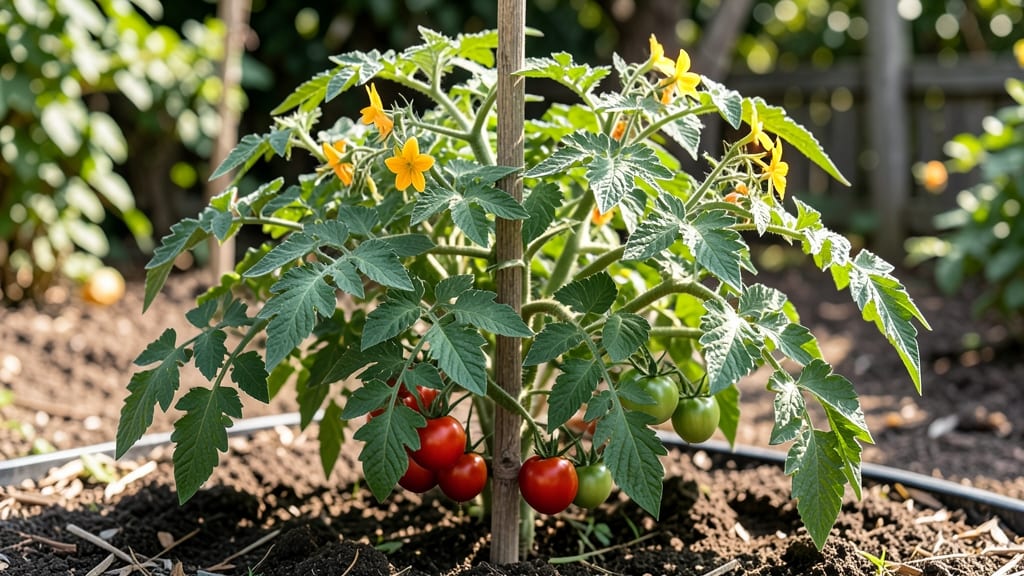
Tomato plants grow anywhere from 1 foot to over 15 feet tall, depending on the variety and growing conditions — and picking the right size for your space can make or break your harvest.
Wondering if your backyard can handle towering tomato vines or if dwarf varieties are your only option? The size of tomato plants varies wildly — from compact bush types perfect for containers to sprawling indeterminate giants that need a sturdy trellis.
Determinate varieties, like the classic Roma, stay compact (3-5 feet), while indeterminate types, such as Sungold cherry tomatoes, can climb to 10+ feet if given the right support. Knowing these differences helps you plan spacing, pruning, and even where to place your plants in the garden.
In this guide, I’ll break down the height ranges, spacing needs, and how to support your tomato plants for the best growth — so you can avoid overcrowding or struggling to reach the top fruits. Let’s get started!
Tomato plant height ranges by variety: determinate vs indeterminate explained
If you've ever wondered why some tomato plants stay neatly contained while others climb like jungle vines, the answer lies in their growth habits. Tomato varieties fall into two main categories: determinate (bush types) and indeterminate (vining types), each with dramatically different mature sizes and care needs.
Understanding this difference is key to planning your garden layout and choosing the right support structures.
Determinate tomatoes grow to a predictable height—typically between 3 to 5 feet tall—and produce fruit all at once, making them ideal for canning or heavy harvests in a short window.
Indeterminate varieties, on the other hand, keep growing and producing fruit until frost, often reaching 6 to 15+ feet tall if left unchecked. This growth pattern affects everything from spacing to pruning to your garden's overall design.
Why does this matter? Because a 6-foot vine needs completely different support than a 3-foot bush. One might thrive in a cage, while the other requires a sturdy trellis or stake system. Let's break down the key differences with real-world examples to help you choose the perfect variety for your space.
| Feature | Determinate Tomatoes | Indeterminate Tomatoes |
|---|---|---|
| Growth Habit | Bushy, compact | Vining, sprawling |
| Mature Height | 3–5 ft | 6–15+ ft |
| Spread | 2–3 ft wide | 3–6 ft wide (or more) |
| Fruiting Pattern | All at once (1–2 weeks) | Continuous (until frost) |
| Best For | Canning, heavy harvests | Fresh eating, long seasons |
| Examples | Roma, Bush Early Girl | Sungold, Brandywine, Cherry Tomatoes |
| Support Needed | Cages or minimal stakes | Trellis, stakes, or strong cages |
| Pruning Needs | Minimal (remove suckers if desired) | Regular (remove suckers, prune lower leaves) |
Take the Roma tomato, a classic determinate variety that tops out around 4 feet tall and produces plum-shaped fruits perfect for sauces and canning. Its compact size makes it a favorite for container gardening or small spaces, and it rarely needs more than a simple cage for support.
In contrast, the Sungold cherry tomato, an indeterminate variety, can grow 8 feet or taller in a single season, producing sweet, golden fruits all summer long.
This dramatic difference in size isn't just about aesthetics—it directly impacts how you space your plants. Determinate tomatoes need about 18–24 inches of space between plants, while indeterminate varieties require 24–36 inches (or more if you're growing them vertically).
Crowding determinate plants can lead to poor air circulation and increased disease risk, while indeterminate plants left too close may struggle to support their own weight.
For indeterminate varieties, pruning is essential to manage their size and improve fruit production. I recommend removing suckers (the small shoots that grow in the leaf axils) regularly to encourage upward growth and better air flow.
This isn't just about keeping plants tidy—it's about maximizing yield and preventing disease. With determinate types, pruning is optional, but you might still want to remove lower leaves to improve airflow and reduce soil-borne diseases.
Another key consideration is trellising. Indeterminate tomatoes often perform best when grown vertically, which saves space and makes harvesting easier.
A sturdy trellis or tomato cage can support even the heaviest vines, but make sure it's anchored securely—nothing's worse than watching a 10-foot vine collapse under the weight of ripe tomatoes!
For determinate types, a simple cage or a few stakes will usually suffice, though you might still want to train them slightly for better airflow.
If you're working with limited space, consider dwarf or patio varieties like 'Tiny Tim' or 'Micro Tom,' which stay under 2 feet tall and are perfect for containers or small balconies. These compact indeterminate types are a game-changer for urban gardeners.
On the flip side, if you have plenty of room and want a continuous harvest, larger indeterminate varieties like 'Brandywine' or 'Cherokee Purple' will reward you with heirloom-quality tomatoes all season long.
Remember, the size
How to choose tomato plant size based on your garden space
Selecting the right tomato plant size for your garden isn't just about aesthetics—it's about maximizing yield while preventing disease and competition. Container gardens need compact varieties, while large plots can accommodate sprawling vines. The key is matching your space to the plant's mature height and spread requirements.
For example, a 5-gallon pot can handle a 1-2 foot dwarf variety like 'Tiny Tim', but a 6-foot indeterminate like 'Brandywine' needs a trellis or cage and plenty of ground space.
Your garden's layout determines which tomato varieties will thrive. Small urban yards benefit from bush (determinate) types that grow in neat, self-supporting shapes, while rural plots can accommodate vining (indeterminate) types that produce fruit all season.
Even in tight spaces, vertical gardening with tall cages or stakes can transform a 6-foot vine into a space-saving solution. The trick is planning for both the plant's initial growth and its final size—especially if you want to avoid overcrowding or pruning headaches.
If you're working with containers, prioritize compact varieties like 'Balcony Red' or 'Micro Tom', which thrive in 5-gallon pots and produce fruit without sprawling. These are perfect for balconies or patios where space is limited.
For small yards, consider bush types like 'Celebrity' or 'Better Boy', which stay contained with minimal pruning. Their 3-4 foot height makes them ideal for cages or stakes, saving you from dealing with unruly vines.
For larger gardens, indeterminate varieties like 'Beefsteak' or 'Black Krim' reward you with continuous harvests all season—but they need 6+ feet of vertical space and wide spacing. Install a trellis or tomato tower to guide their growth upward, preventing disease and making harvesting easier.
Pro tip: Prune suckers regularly to focus energy on fruit production rather than excessive foliage. Even in big spaces, overcrowding leads to poor air circulation, which invites pests and diseases like blight.
Don’t forget to account for wind exposure and sunlight access when planning your layout. Tall varieties in windy areas may need additional staking, while shady corners should avoid indeterminate types that crave full sun.
A south-facing wall or fence can act as a natural windbreak while maximizing sunlight for 6-foot vines. Always leave 18-24 inches of clearance between plants and structures to ensure proper airflow and light penetration.
Start small if you're new to tomato gardening—try a 1-2 foot dwarf variety in a pot to test your skills before committing to larger plants. Once you understand their growth habits, you can experiment with vertical gardening or succession planting to maximize your space.
Remember, prevention is easier than cure: proper spacing and support now save you from pruning disasters or fruit rot later. 🌱