
Planting
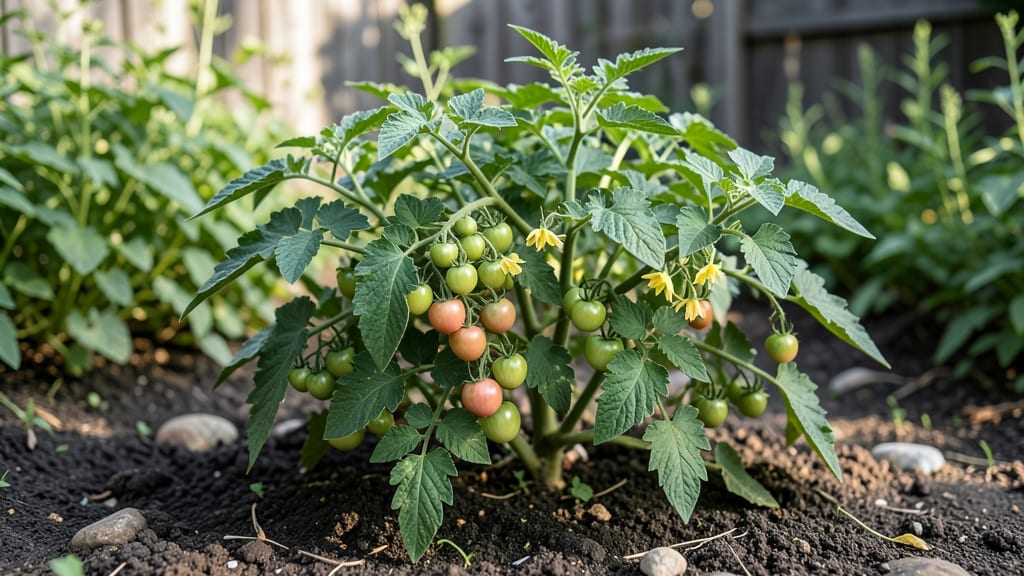
A grape tomato plant needs sturdy support from day one to prevent sagging and maximize those sweet, bite-sized fruits. 🌱 I learned this the hard way when my first batch flopped over like overripe melons, smashing tomatoes and attracting pests.
The right trellis or cage transforms a potential disaster into a productive, space-saving harvest factory.
Start with well-draining soil rich in compost—grape tomatoes thrive in full sun (6-8 hours daily) and need 18-24 inches of vertical space to climb. Plant seeds indoors 6-8 weeks before last frost, then transplant seedlings 18-24 inches apart when soil warms to 60°F.
The key? A strong trellis or tomato cage installed at planting time before vines get heavy.
By midseason, you’ll see vibrant green vines loaded with clusters of 1-inch tomatoes, all neatly suspended where you can pick them without bending.
Regular pruning (removing suckers) keeps energy focused on fruit production, and a balanced fertilizer (like 10-10-10) every 4-6 weeks prevents leafy growth at the expense of harvests.
Harvest begins when tomatoes turn deep red (about 70 days after transplanting), and one vine can produce hundreds of grapes—perfect for salads, snacks, or preserving. The secret? Consistent watering (1-2 inches per week) and shade cloth in scorching afternoons to prevent sunscald. Now, let’s get those vines climbing!
📚 In This Guide
- What you need
- Instructions
- Tips and common mistakes
- Wrapping up and next steps
What you need
- ● Grape tomato seeds or seedlings: Choose disease-resistant varieties like 'Sweet 100,' 'Black Cherry,' or 'Sun Gold.' (1-2 plants per container or garden spot)
- ○ Heavy-duty tomato cages (optional but recommended): 5-6 ft tall, made of galvanized steel or sturdy plastic (2-4 cages per plant, depending on vine size)
- ● Trellis or vine support system: Florida weave fabric: 4 ft wide x 10-12 ft long (1 roll per 2-3 plants)
- ● Wooden or metal stakes: 6-8 ft tall, 1-2 per plant
- ● Zip ties or soft plant ties: 100+ for securing vines
- ● Well-draining potting mix: 50% organic matter (compost, coconut coir) + 50% perlite or vermiculite (1-2 cubic feet per plant)
- ● Balanced fertilizer: 10-10-10 or 5-5-5 (organic options like fish emulsion or compost tea work too)
- ● Mulch: Straw or shredded leaves (2-3 inches thick, 3 ft radius per plant)
- ● Garden trowel or transplant spade
- ● Pruning shears (sterilized)
- ● Measuring tape (for spacing supports)
- ● Gloves (to protect hands from thorns)
- ● Watering can or hose with a gentle spray nozzle
- ○ Optional: pH testing kit (ideal soil pH: 6.0-6.8)
- ● Full sun exposure (6-8+ hours daily)
- ● Spacious growing area (grape tomatoes need 18-24 inches between plants and 3-4 ft of vertical space)
- ● Access to water (consistent moisture is key, especially during fruiting)
- ● Pro tip: If growing in containers, ensure they’re at least 5-gallon size (bigger is better for heavy vines!). 💡
How to build sturdy vine supports for grape tomatoes
Here's the method I've used for years to keep grape tomato vines upright and bursting with fruit.
🪴 Step 1: Choose the Right Support Structure
Grape tomatoes need strong vertical support because their vines grow heavy with fruit. I recommend either a 5-foot tall tomato cage with reinforced metal stakes or a wooden trellis system built from 2x4s. Avoid flimsy plastic cages—they bend under the weight of grape tomato clusters.
For a DIY trellis, assemble two 8-foot posts 2 feet apart and secure them with 4-foot horizontal supports spaced every 18 inches vertically. Use galvanized screws to prevent rust. The wider the base, the more stable your structure will be when vines get heavy.
☀️ Step 2: Position for Maximum Sun and Airflow
Place your support structure in full sun (6+ hours daily) with at least 3 feet of clearance from neighboring plants. Grape tomatoes need intense light to develop sweet flavor, and proper spacing prevents fungal diseases that thrive in crowded, humid conditions.
Orient the structure so vines grow upward rather than sprawling outward. If using a trellis, position it with the long axis running north-south to allow even sun exposure on both sides. I always mark the planting location with a stake before assembling supports to ensure perfect alignment.
🌱 Step 3: Plant and Secure the Vine Immediately
Plant your grape tomato in the center of the support structure, burying the stem up to one-third of its height to encourage strong root development. The moment you transplant, tie the main stem to the support using soft plant ties or old fabric strips—never wire or anything that can cut into the vine.
As the vine grows, gently weave it through the support structure rather than letting it grow straight up. This creates a natural cage effect that distributes weight evenly. I check ties weekly and adjust as the vine thickens—loose ties mean the plant will eventually break free.
✂️ Step 4: Prune and Train for Maximum Support
Remove all suckers (side shoots) below the first flower cluster to direct energy to fruit production. Leave only 2-3 main vines growing upward, pruning aggressively but carefully with clean, sharp shears. You'll see new growth spurt within 3-5 days after pruning.
When vines reach the top of the support, pinch off the growing tips to encourage bushier growth lower on the plant. This creates more fruiting sites while keeping the weight distributed. I always prune in the morning so wounds have all day to heal before evening moisture arrives.
💧 Step 5: Water and Fertilize for Heavy-Fruited Vines
Water at the base deeply 2-3 times weekly until top 2 inches of soil feel moist. Heavy vines need consistent moisture to support fruit development, but soggy soil leads to rot. I use a drip irrigation system to deliver water slowly at the roots without wetting leaves.
Fertilize every 3-4 weeks with a balanced 10-10-10 formula to maintain vigorous growth. Stop fertilizing 4-6 weeks before first frost to allow vines to harden off naturally. The key is to keep the plant strong enough to support its own weight without becoming top-heavy.
Tips & tricks for sturdy grape tomato vine support
Between us, grape tomato vines are like the divas of the garden—they demand proper staging to shine. These are the little details that'll keep your plants standing tall and producing like champs.
Material Matters: When building your DIY trellis, skip the pressure-treated wood—it contains chemicals that can leach into your soil. Instead, use untreated cedar or redwood for natural rot resistance. I've found that pre-drilling screw holes prevents wood splitting when you're attaching those 4-foot horizontal supports every 18 inches apart. This extra step saves you from mid-season repairs when vines are at their heaviest.
The Pruning Paradox: Here's what nobody tells you—pruning grape tomatoes isn't just about removing suckers. When you pinch those growing tips at the top, you're actually creating a more stable plant structure. The weight gets distributed across more branches rather than concentrated at the top where it can snap. I've seen 2-3 main vines support twice as much fruit as a single unpruned stem. Just remember: those 3-5 days of new growth after pruning are your reward for patience.
Watering Wisdom: That 2-3 times weekly watering schedule is non-negotiable, but timing matters just as much. Water in the early morning so leaves have all day to dry—this prevents fungal diseases that love damp foliage. I've had the best luck with a soaker hose buried 6 inches deep at the base of the plant. It delivers water right to the roots without wetting the leaves, which is exactly what those heavy vines need to stay upright.
Emergency Stabilization: If you notice your vine leaning even slightly, don't wait for it to snap. Immediately add temporary supports using soft plant ties and small stakes. I keep a supply of 12-inch bamboo stakes handy for just this purpose. The goal is to keep the vine growing vertically—once it starts sprawling, it's much harder to correct. Think of it like training a dancer: proper form from the start prevents injuries later.
Pro Tips for Grape Tomato Plant
- Between us, grape tomato vines are like the divas of the garden—they demand proper staging to shine.
- Material Matters: When building your DIY trellis, skip the pressure-treated wood—it contains chemicals that can leach into your soil.
- The Pruning Paradox: Here's what nobody tells you—pruning grape tomatoes isn't just about removing suckers.
Frequently asked questions
Got questions about growing grape tomato plants?
You’re not alone! Here are answers to the most common queries—whether you’re a first-time gardener or a seasoned green thumb looking to optimize your harvest.
How much support do grape tomato plants really need?
Grape tomatoes are heavy—a single vine can weigh 5+ pounds when mature! Use a trellis, cage, or sturdy stakes (at least 5–6 feet tall) to prevent sagging. Without support, vines sprawl, risk disease, and yield fewer tomatoes. Pro tip: Weave vines through trellis strings every 6–8 inches for airflow and easier harvesting.
When is the best time to plant grape tomato seeds vs. transplants?
Start seeds 6–8 weeks before your last frost date indoors (they germinate best at 70–80°F). For transplants, wait until soil is at least 55°F and nighttime temps stay above 50°F—typically 2–3 weeks after last frost. Grape tomatoes thrive in warm weather and bolt (flower prematurely) if planted too early.
Why are my grape tomatoes cracking, and how do I fix it?
Cracking happens when tomatoes grow too fast after uneven watering (dry soil followed by heavy rain). Solutions:
- Water deeply 1–2 times per week (1–1.5 inches total) instead of daily shallow drinks.
- Mulch with straw to retain moisture.
- Harvest tomatoes firm but ripe—don’t wait for full redness if cracks appear.
Bonus: Use drip irrigation for consistent hydration.
Can I grow grape tomatoes in containers, and what’s the best setup?
Choose a container at least 12–18 inches deep and wide with drainage holes. Use a lightweight potting mix (add perlite for aeration) and a 5-foot-tall trellis or tomato tower to support vines. Dwarf varieties (like ‘Tiny Tim’ or ‘Sweet 100’) work best in pots. Rotate containers weekly for even sun exposure.
What pests should I watch for, and how do I control them?
Grape tomatoes attract hornworms, aphids, and whiteflies. Preventative tips:
- Handpick hornworms (they’re green with white stripes—easy to spot!).
- Spray neem oil or insecticidal soap for aphids/whiteflies.
- Encourage ladybugs and lacewings (natural predators) with companion plants like basil or marigolds.
- Avoid over-fertilizing with nitrogen—it attracts pests.
For severe infestations, try Bt (Bacillus thuringiensis), a bacteria-based organic pesticide.
Bonus: Can I save seeds from grape tomatoes for next year?
Yes! Let a few tomatoes fully ripen and soften on the vine, then scoop out the gel and seeds. Rinse seeds in water, ferment for 2–3 days (this removes bad seeds), then dry on a paper towel. Store in a cool, dark place. Note: Hybrid varieties (like ‘Sweet 100’) may not produce true-to-type tomatoes, but heirlooms (like ‘Black Cherry’) often do!
Wrapping up and next steps
Growing grape tomato plants with proper vine support isn’t just about aesthetics—it’s a game-changer for bigger, healthier yields and less stress on your plants. 🌱 Whether you’re using stakes, cages, or trellises, the right structure keeps those vines upright, improves air circulation, and makes harvesting a breeze.
With a little planning, you’ll enjoy plump, flavorful tomatoes all season long!
Ready to transform your garden? Start by sketching a simple support plan based on your space and tomato variety. Then, grab your materials and get planting—your future harvest will thank you! 🍅✨