
Container Gardens
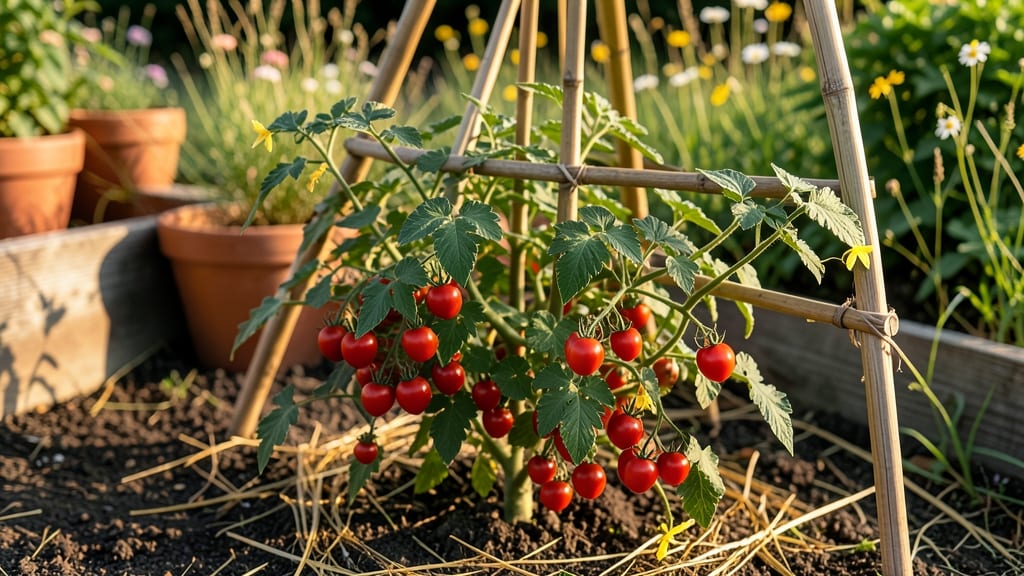
Growing grape tomatoes from seed gives you clusters of sweet, bite-sized jewels that dwarf-store plants can't match. 🌱 I've turned my balcony into a sun-drenched vineyard by starting with just a few seeds—no fancy greenhouse needed. The secret? Mimicking their natural tropical habits right from the first sprout.
These aren't your average tomatoes. Grape varieties thrive on indeterminate vines that keep producing all season, but they demand consistent moisture and morning sun. My first batch flopped when I treated them like beefsteaks—until I switched to a 5-gallon container with drainage and a trellis.
The difference? 100+ clusters instead of 20 lonely fruits.
You'll taste the payoff when those 1-inch orbs turn from green to deep red, bursting with flavor. The vines stay productive for months, and you can harvest every 2-3 days once they kick into gear.
Even my black thumb can't kill these when I follow the simple routine I'm about to share.
Perfect for small spaces, containers, or even hanging baskets—these vines adapt as long as you meet their basic needs. Let's get those seeds sprouting and those clusters growing!
📚 In This Guide
- What you need
- Instructions
- Tips and common mistakes
- Wrapping up and next steps
What you need
- ● Grape tomato seeds or seedlings: Choose disease-resistant varieties like 'Sweet 100' or 'Black Cherry.' Start with 3-5 seeds per container (or 1-2 seedlings) for optimal growth.
- ● Containers: Use 5-gallon pots or fabric grow bags (minimum 12" deep) with drainage holes. For larger yields, opt for 10-15 gallon containers.
- ● High-quality potting mix: A lightweight, well-draining blend (e.g., 60% potting soil + 30% perlite + 10% compost). Avoid garden soil—it compacts and suffocates roots!
- ● Slow-release fertilizer: A balanced 10-10-10 or tomato-specific formula (e.g., Osmocote). Apply at planting and again after 6 weeks.
- ● Tomato cages or stakes: 4-6 ft tall cages (for bush varieties) or bamboo stakes + soft ties (for indeterminate vines).
- ● Mulch: Straw or shredded leaves (2-3 inches) to retain moisture and suppress weeds.
- ● Hand trowel (for planting and transplanting).
- ● Watering can with a rose attachment (gentle watering = happy roots!).
- ● Pruning shears (to snip suckers and encourage fruit production).
- ○ pH test kit (optional but helpful—aim for 6.0-6.8 soil pH).
- ● Garden gloves (because nobody likes thorny surprises 🌿).
- ● Sunlight: 6-8+ hours of direct sun daily. Place containers on a south-facing balcony, deck, or patio.
- ● Warmth: Start seeds indoors 6-8 weeks before last frost (or buy seedlings from a nursery). Soil should stay above 55°F (13°C).
- ● Watering routine: Keep soil consistently moist but not soggy. Containers dry out faster—check daily!
Step-by-step instructions for growing grape tomatoes from seed
Here's how I turn tiny seeds into sun-drenched vines loaded with sweet, bite-sized treasures.
🌱 Step 1: Start Seeds Indoors 8-10 Weeks Before Last Frost
Fill 2-3 inch deep biodegradable pots with sterile seed-starting mix—never garden soil, which holds too much moisture and invites damping-off. I press the mix down lightly with my fingers until it's firm but not compacted, then moisten it until water runs out the bottom holes. This ensures even moisture without soggy pockets.
Plant 2-3 seeds per pot at a depth of about ¼ inch, tapping them gently into the soil. Cover lightly with a sprinkle of mix, then mist the surface until it's damp but not wet. The key here is consistency—overwatering now will rot seeds before they sprout. Place pots in a warm spot (around 70-75°F) and cover with plastic wrap to retain humidity.
☀️ Step 2: Provide Light and Thin Seedlings After Germination
Germination takes 7-14 days—you'll know it's happening when you see tiny white roots breaking through the soil surface. As soon as the first true leaves appear (not the initial cotyledons), remove the plastic wrap and move seedlings to a bright, south-facing window or under grow lights for 14-16 hours daily.
When seedlings reach 2-3 inches tall, thin to the strongest plant per pot by snipping the others at the soil line with clean scissors. This prevents overcrowding and gives the remaining plant room to develop strong roots. I always keep a spray bottle nearby to mist the soil if it starts feeling dry to the touch.
🪴 Step 3: Harden Off and Transplant After Frost
Two weeks before your last frost date, begin hardening off seedlings by placing them outdoors in a sheltered spot for 1-2 hours daily. Gradually increase their time outside over 7-10 days
Transplant after all danger of frost has passed, choosing a location with full sun (6-8 hours daily) and well-draining soil. I dig holes twice as wide as the root ball to encourage outward growth, then bury the stem slightly deeper than it was in the pot. This helps stabilize the plant and promotes stronger root development. As vines grow, install a 5-6 foot tall trellis or cage to support their weight. I weave the main stem through the trellis as it grows, tying it loosely with soft plant ties every 12-18 inches. This prevents breakage while allowing natural growth. Water deeply 1-2 times per week, aiming for 1 inch of water per week, and always water at the base to avoid fungal diseases. Fertilize every 3-4 weeks with a balanced organic fertilizer (10-10-10 or similar) to encourage both foliage and fruit production. The moment you see flowers appear, switch to a low-nitrogen, high-phosphorus fertilizer to boost fruit set. Prune suckers (the small shoots that grow between the main stem and branches) regularly to direct energy toward fruit production. Grape tomatoes ripen in 60-70 days after transplanting, but you'll know they're ready when they turn a deep, even color and feel slightly soft to the touch. Harvest in the morning when sugars are at their peak, and pick frequently to encourage more production. I always use sharp pruners to avoid damaging the vine, and I wear gloves to protect my hands from the small but sharp stems. After harvest, prune back any diseased or damaged foliage immediately to prevent spread. If your plants are still vigorous, pinch back the tips of the main stems to encourage bushier growth and more fruit clusters. With proper care, a single vine can produce enough tomatoes to feed a family for weeks—just keep the pruners handy and the water flowing.💧 Step 4: Support Vines and Maintain Consistent Care
✂️ Step 5: Harvest and Prune for Continuous Production
Tips & tricks for perfect grape tomato growth
Here's what nobody tells you about transforming those tiny seeds into thriving vines—lessons I learned after losing my first batch to damp-off.
Seed Starting Wisdom: The 70-75°F temperature range is non-negotiable for germination. I use a seedling heat mat under my pots to maintain this warmth consistently. Too cold? Seeds may never sprout. Too hot? They'll rot before emerging. Also, those 2-3 inch deep pots are perfect—they give roots room to establish without overwhelming the seedling.
Lighting Secret: Once your seedlings have their first true leaves, they need 14-16 hours of light daily. If your south-facing window isn't enough, invest in a simple LED grow light. I place mine just 2-3 inches above the seedlings—close enough to encourage strong stems but not so close it burns them. Rotate pots daily so all sides get even light exposure.
Transplanting Technique: When you bury the stem slightly deeper than in the pot during transplanting, you're not just stabilizing the plant—you're encouraging stronger root development at the buried stem nodes. This creates a more robust plant that can support heavier fruit loads. Just make sure your soil is well-draining; grape tomatoes hate soggy roots.
Watering Strategy: The 1 inch per week watering guideline assumes average conditions. In hotter climates, you might need daily watering during peak summer months. Always water at the base—never overhead—and use drip irrigation if possible. This prevents fungal diseases that can devastate your crop before harvest time.
Pro Tips for Grape Tomato Growing
- Here's what nobody tells you about transforming those tiny seeds into thriving vines—lessons I learned after losing my first batch to damp-off.
- Seed Starting Wisdom: The 70-75°F temperature range is non-negotiable for germination.
- Lighting Secret: Once your seedlings have their first true leaves, they need 14-16 hours of light daily.
Frequently asked questions
Got questions about growing grape tomatoes? You’re not alone! Here are answers to the most common queries from gardeners just like you.
How long does it take for grape tomatoes to grow from seed?
Grape tomatoes typically take 60–85 days to mature from seed, depending on the variety and growing conditions. Start seeds indoors 6–8 weeks before your last frost date for a head start, or sow directly in warm soil (after all frost risk has passed). Patience pays off—those sweet little clusters are worth the wait!
What’s the best temperature for growing grape tomatoes?
Grape tomatoes thrive in warmth: ideal soil temps are 70–90°F (21–32°C), while air temps should stay above 55°F (13°C). They’re sensitive to cold—below 50°F (10°C) can stunt growth, and frost will kill them instantly. Use row covers or grow in containers to extend the season in cooler climates.
Why aren’t my grape tomatoes ripening?
If your tomatoes stay green or small, check these common culprits:
- Not enough sun: Grape tomatoes need 6–8+ hours of direct sunlight daily.
- Overcrowding: Thin plants to 18–24 inches apart for better airflow and fruit production.
- Nutrient deficiencies: Feed with a balanced fertilizer (10-10-10) when flowers appear.
- Cool nights: If temps drop below 60°F (15°C), ripening slows—use a cloche or harvest green to ripen indoors.
Can I grow grape tomatoes in containers without pruning?
Yes! Many compact varieties (like ‘Tiny Tim’ or ‘Sweet 100’) grow well in containers without heavy pruning, but light pruning still helps. Pinch off suckers (the small shoots in the leaf axils) to encourage larger fruit and better airflow. Use a 5-gallon container minimum for one plant, and add tomato cages for support.
What are the most common pests for grape tomatoes, and how do I prevent them?
Watch for:
- Whiteflies & aphids: Spray with neem oil or introduce ladybugs.
- Hornworms: Handpick at dawn (they’re easy to spot!) or use Bt (Bacillus thuringiensis).
- Blossom end rot: Caused by calcium deficiency—water consistently and add crushed eggshells to soil.
Wrapping up and next steps
Growing grape tomatoes from seed is a rewarding journey that brings vibrant flavors and lush greenery to your container garden! With the right soil, sunlight, and care, you’ll soon be harvesting sweet, bite-sized treasures straight from your balcony or patio. 🌱
Ready to take the next step? Start by planting those seeds this season—whether in a cozy pot or a hanging basket—and watch your vine thrive. Happy growing, and may your harvest be plentiful! 🍅✨