
Plants
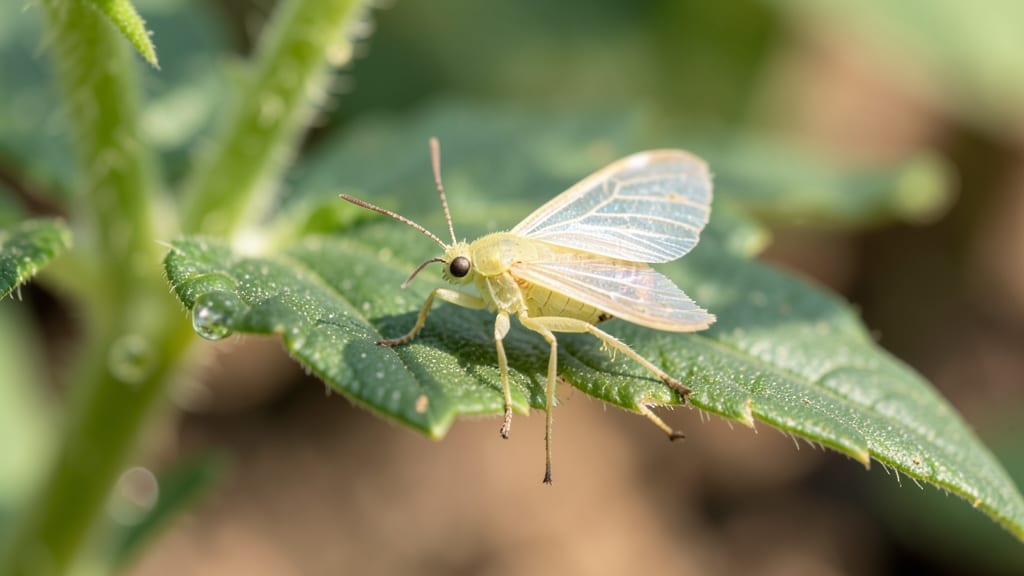
Flying bugs on tomato plants can turn your garden from lush to devastated in days—unless you act fast. 🌱 I’ve battled hornworms, whiteflies, and fruit flies, and the key isn’t store-bought sprays but a simple homemade mix that works better than anything I’ve tried.
The secret? A blend of ingredients you already have in your kitchen that pests can’t stand.
These bugs don’t just annoy—they devour leaves, stunt growth, and leave behind a sticky mess that attracts more pests. Whiteflies leave yellowing leaves behind, hornworms strip plants bare overnight, and fruit flies lay eggs that rot fruit from the inside out.
The damage adds up quickly, but the good news? A few sprays can turn things around in 3-5 days if you catch it early.
You’ll end up with a spray that’s safer for your plants, your family, and even the good bugs like ladybugs. The ingredients are non-toxic, easy to find, and require just 10 minutes to mix.
No more chemical residue, no more waiting for results—just a quick spray and visible improvement by the next morning.
Works for any flying pest on tomatoes, peppers, or eggplants, and you can adapt the recipe for other garden troublemakers too. Let’s get your plants back on track—naturally.
Root Causes Of Tomato Plant Invaders
If your tomato plants are suddenly hosting an unwelcome airshow of flying bugs, it’s not just bad luck—it’s usually a mix of environmental cues, plant stress, and natural pest behavior.
Understanding these triggers helps you take precise action to protect your crop. Here’s why these pests take flight toward your tomatoes:
Healthy tomato plants produce natural chemical signals that repel pests. But when plants are stressed—whether from nutrient deficiencies, overwatering, or disease—they emit distress signals that attract flying insects like whiteflies, aphids, and hornworms.
These bugs are drawn to the sweet, sugary sap that stressed plants produce in higher quantities.
Actionable clue: Check for yellowing leaves, stunted growth, or wilting—classic signs of stress. Fixing these issues (like adjusting watering or adding compost) can reduce the "all-you-can-eat" buffet sign you’re unknowingly broadcasting.
Flying pests like hornworms and fruit flies zero in on tomatoes that are soft, overripe, or bruised. These bugs aren’t just hungry—they’re drawn to the fermentation smells and easy access that damaged fruit provides. Even a single split tomato can become a magnet for an infestation.
Why it matters: A single egg laid on a ripe tomato can hatch into dozens of larvae within days, turning your harvest into a bug buffet. Pro tip: Harvest tomatoes as soon as they’re ripe and remove any fallen or damaged fruit immediately to break the cycle.
Many flying tomato pests thrive in warm (70–90°F) and humid environments—conditions that also speed up tomato growth. For example:
- Whiteflies and aphids multiply rapidly in heat, laying eggs on the undersides of leaves.
- Mexican bean beetles (yes, they attack tomatoes!) become more active when temperatures rise.
- Fungus gnats love moist soil, which is often a side effect of overwatering in hot weather.
These pests aren’t just attracted to your plants—they’re breeding on them when conditions are perfect.
Actionable fix: Use shade cloth during peak heat or water plants early in the morning to reduce humidity around foliage.
Flying bugs don’t always land on your tomatoes by accident—they’re often following a food trail. Common culprits include:
- Weeds or wild plants (like nightshade or blackberry bushes) that pests use as a "stepping stone" before moving to your tomatoes.
- Compost piles or mulch that retain moisture and organic matter, creating breeding grounds for fungus gnats and shore flies.
- Nearby gardens with similar crops (peppers, eggplants, or basil) that pests migrate between.
Key insight: If your tomatoes are isolated but still getting hit, the pests are likely hitchhiking from another source. Scout the perimeter and remove attractants to cut off their supply chain.
Some flying pests have specific life cycles that align with tomato growth stages:
| Pest | Peak Activity Period | Why It Targets Tomatoes |
|---|---|---|
| Hornworms | June–August (larval stage) | Caterpillars devour tomato leaves and fruit when plants are at peak vigor. |
| Whiteflies | Late summer–fall (warm nights) | Adults lay eggs on new growth, and nymphs suck sap from leaves. |
| Fruit Flies | Summer–early fall (ripe fruit season) | Lured by fermenting sugars in overripe or damaged tomatoes. |
Takeaway: If you’re seeing a sudden surge of a specific bug, it’s likely tied to its natural lifecycle—not random chance.
Banish Flying Pests Naturally
Flying bugs like aphids, whiteflies, or hornworms can turn your tomato plants into an all-you-can-eat buffet—unless you act fast! The good news? You don’t need harsh chemicals to keep them away.
Below are targeted, DIY-friendly solutions tailored to the most common causes of flying pests, plus prevention tips to protect your harvest long-term.
Cause: These tiny, winged pests cluster on undersides of leaves, sucking sap and spreading viruses.
How to Fix It:
- 🔥 Homemade Insecticidal Soap Spray Mix 1 tbsp mild liquid soap (like Castile) + 1 quart water in a spray bottle. Test on a small leaf first—if no damage, spray directly on pests (they’ll drop off). Repeat every 3–4 days until gone. Pro Tip: 💡 Add 1 tsp neem oil for extra repellent power. Shake well before spraying!
- 🍳 Yellow Sticky Traps Cut yellow cardboard or plastic into strips, coat with honey or petroleum jelly, and hang near plants. Whiteflies are drawn to the color and get stuck. Replace traps weekly for best results.
- 👨🍳 DIY Neem Oil Blast Combine 1 tbsp neem oil + 1 tsp dish soap + 1 quart water. Spray early morning or late evening (avoid direct sun—it burns leaves). Reapply every 5–7 days.
Prevent Future Infestations: ✅ Encourage natural predators like ladybugs or lacewings by planting marigolds or basil nearby. ✅ Inspect new plants before bringing them home—quarantine for 2 weeks if possible. ✅ Prune yellowing leaves (pests love weak spots) and clean up debris around plants.
Cause: These striped caterpillars munch leaves and fruit, leaving behind chewed holes—and they do fly (as moths)!
How to Fix It:
- 🔪 Manual Removal (Best Method!) Hunt for green caterpillars 2–4 inches long hiding on leaves or fruit. Drop them into soapy water (they’ll dissolve instantly). Check morning and evening—they’re most active then!
- 🌡️ DIY Bacillus Thuringiensis (BT) Spray This natural bacteria (sold as "BT spray") kills hornworms when ingested. Mix 1 tsp BT powder + 1 quart water, spray evenly on leaves (focus on undersides). Reapply after rain.
- 🎯 Pheromone Traps (For Moths) Hang hornworm moth traps (available online) near plants. The traps disrupt mating, reducing next year’s caterpillar population.
Prevent Future Damage: ✅ Remove egg masses (tiny white clusters on leaves) with a damp cloth. ✅ Plant basil or dill nearby—hornworms avoid these scents. ✅ Use row covers early in the season to block adult moths from laying eggs.
Cause: Though not true "flying" bugs, spider mites spin webs and weaken plants. Their tiny size makes them hard to spot until it’s too late!
How to Fix It:
- 💦 Blast ‘Em Off Spider mites hate humidity. Use a hose with a gentle spray nozzle to rinse them off leaves every 2–3 days. Focus on undersides where they hide.
- 🌿 Neem Oil or Garlic Spray Mix 1 tbsp neem oil + 1 tsp garlic powder + 1 quart water. Spray directly on mites—garlic repels them, while neem smothers them. Repeat weekly.
- 🔥 Introduce Predatory Mites Release persimmon or six-spotted spider mites (sold online)—they eat spider mites and restore balance.
Prevent Future Outbreaks: ✅ Keep plants hydrated—drought stress attracts spider mites. ✅ Avoid over-fertilizing (too much nitrogen = weak plants). ✅ Use reflective mulch (like aluminum foil) to confuse and repel them.
Even after treating an infestation, stop future flying bugs with these low-effort habits:
- 🌿 Plant Companion Flowers Marigolds, nasturtiums, and alyssum repel pests with their strong scents. Interplant them among tomatoes!
- 🍅 Rotate Plant Locations Avoid planting tomatoes in the same spot yearly—pests and diseases build up in the soil.
- 🌞 Maximize Sun & Airflow Pests thrive in shady, humid spots. Space plants 18–24 inches apart and prune for good airflow.
- 🚫 Clean Up Debris Remove fallen leaves, weeds, and old plant matter—they harbor eggs and pests.
Final Reminder: 🌱 Act fast! The sooner you treat flying bugs, the less damage they’ll cause. Most infestations clear up in 1–2 weeks with consistent care. Happy (pest-free) gardening!
Frequently asked questions
Why do I see more flying bugs on my tomato plants in hot weather?
Hot, humid conditions create the perfect breeding ground for flying pests like whiteflies, aphids, and fungus gnats. These bugs thrive in 70–90°F temperatures and multiply rapidly when plants are stressed from heat. The extra sap produced by stressed plants also attracts them. Watering early in the morning and using shade cloth can help reduce their numbers.
Are flying bugs on tomato plants harmful to humans?
Most flying tomato pests like whiteflies, aphids, and fruit flies are harmless to humans—they don’t bite or sting. However, some may carry plant diseases that can affect your tomatoes. The real concern is the damage they cause to your plants, not a health risk to you or your family. Always wash tomatoes thoroughly before eating.
How do I tell if flying bugs are damaging my tomato plants?
Look for these signs: yellowing leaves, sticky residue (honeydew) on leaves or fruit, chewed holes in leaves, or small white eggs on the undersides of leaves. Whiteflies leave a dusty appearance, while hornworms create large, irregular holes. Fruit flies often mean your tomatoes are overripe or damaged. Act fast if you spot these clues!
Can I use vinegar to get rid of flying bugs on tomato plants?
While vinegar can kill some pests, it’s not the best solution for flying bugs on tomato plants. Vinegar’s acidity can harm your plants, especially when sprayed directly. Instead, try a homemade neem oil spray (mix 1 tbsp neem oil + 1 tsp dish soap + 1 quart water)—it’s safer and more effective for repelling pests like whiteflies and aphids.
Will companion planting really keep flying bugs away?
Yes! Planting marigolds, basil, or nasturtiums near your tomatoes creates a natural barrier. These plants repel pests with their strong scents and attract beneficial insects like ladybugs and lacewings, which eat flying bugs. For best results, interplant them directly among your tomato plants—this disrupts pest migration patterns.