
Companion Plants
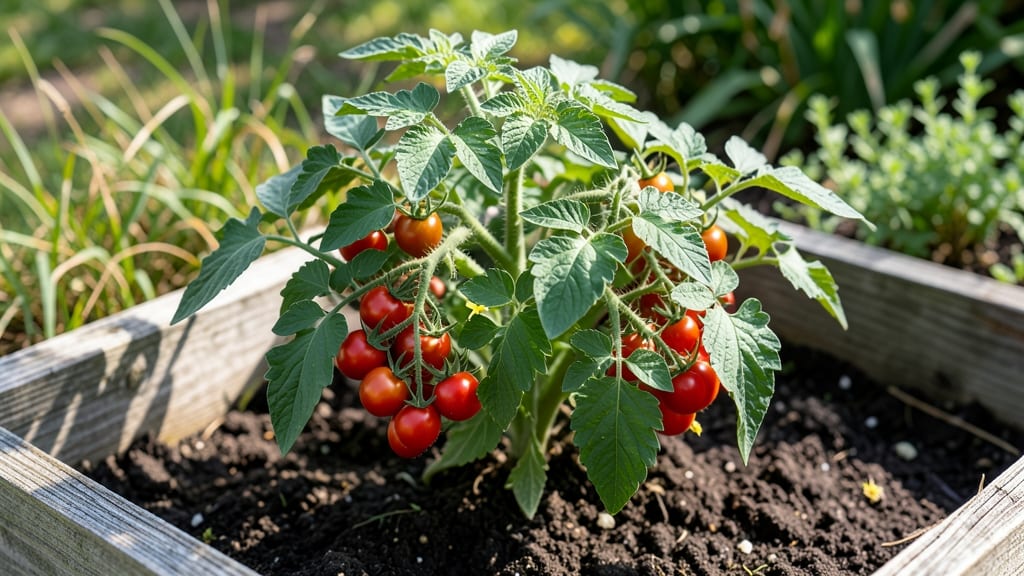
Those Cherry Bomb tomato plants are the secret weapon in my garden—explosive flavor, disease resistance, and a harvest that never stops. 🌱 The first time I tasted one straight off the vine, I knew I'd never go back to store-bought.
This heirloom variety thrives where others fail, producing sweet, juicy tomatoes that burst with flavor even in less-than-perfect conditions.
You'll need just a few basics: a sunny spot (at least 6-8 hours of sunlight daily), well-draining soil rich in organic matter, and sturdy cages or stakes to support their vines.
The real magic happens when you plant them after your last frost date—typically 2-3 weeks before warm weather arrives—and keep the soil consistently moist but never soggy. Pruning suckers and lower leaves encourages better air circulation, which is key to preventing disease.
What you end up with is a plant that produces 1-2 pounds of tomatoes per week from midsummer until frost, with flavors so intense they'll make you question why you ever bought grocery-store tomatoes.
The deep red, meaty fruits are perfect for snacking, salads, or sauces, and they hold up beautifully when picked at peak ripeness. Even my black thumb can't kill these plants—they're that resilient.
Works in containers or in-ground beds, and handles heat and humidity better than most varieties. Here's how to get started—and trust me, your taste buds will thank you.
📚 In This Guide
- What you need
- Instructions
- Tips and common mistakes
- Wrapping up and next steps
What you need
- ● Cherry Bomb tomato seeds (heirloom variety) – 1-2 packets (or 5-10 seeds if saving from a previous harvest).
- ● Seed-starting mix – 1-2 cubic feet (sterile, well-draining blend).
- ● Seed trays or small pots – 2-4 inch pots (biodegradable or plastic).
- ○ Grow lights or sunny windowsill – 6-8 hours of light daily (optional but helpful for seedlings).
- ● Transplant containers or garden space – 5-gallon pots or 18-24 inches of garden bed space per plant (they’re vigorous!).
- ● Balanced fertilizer – 5-10-10 or organic compost (for transplanting).
- ● Tomato cages or stakes – 4-6 feet tall (Cherry Bombs can get heavy!).
- ● Spray bottle (for gentle watering).
- ● Pruning shears (to remove suckers and encourage bushiness).
- ● Mulch (straw or shredded leaves to retain moisture).
- ● Disease-resistant soil amendments (copper fungicide or neem oil for prevention).
- ● Companion plants (basil, marigolds, or onions to deter pests).
Step-by-step guide to growing Cherry Bomb tomato plants
Here's how I grow these vibrant, disease-resistant tomatoes—bursting with flavor and perfect for containers or garden beds.
🌱 Step 1: Start Seeds Indoors for Strong Transplants
Sow seeds 6-8 weeks before your last frost date in 2-3 inch deep biodegradable pots filled with seed-starting mix. Cherry Bombs germinate best at 75-85°F, so I use a seedling heat mat to speed things up. Plant seeds 1/4 inch deep—any deeper and they’ll struggle to break through the soil.
Keep the soil consistently moist but not soggy. I cover the pots with plastic wrap to retain humidity, then remove it once sprouts appear in 7-10 days. Watch for the first true leaves (not the initial seed leaves) to confirm germination success. This variety thrives with early, strong starts, so don’t rush the process.
☀️ Step 2: Provide Optimal Light and Prevent Leggy Growth
Cherry Bombs need 14-16 hours of light daily to prevent leggy, weak stems. Place seedlings under a grow light within 2-4 inches of the plants, raising it as they grow. Without enough light, stems stretch and become spindly—you’ll know you’ve got it right when seedlings develop thick, dark green stems and compact spacing between leaves.
Rotate the pots a quarter turn daily so plants grow straight instead of leaning toward the light. Once seedlings have 3-4 true leaves, I fertilize lightly with a diluted balanced fertilizer (10-10-10) to encourage sturdy growth. This is also when I start hardening them off by placing them outside for 1-2 hours in partial shade.
🪴 Step 3: Transplant After Frost and Support Early Growth
Move seedlings outdoors 2-3 weeks before your last frost date, when nighttime temperatures stay above 50°F. Cherry Bombs love warmth and perform best in full sun (6-8 hours daily). Plant them 18-24 inches apart in well-draining soil, burying stems up to the first set of leaves to encourage root growth.
Install a cage or stake at planting time—these tomatoes grow 4-5 feet tall and need support. Water deeply at transplanting to settle the soil, then maintain 1 inch of water per week, adjusting for rain. Mulch around the base to retain moisture and suppress weeds, which helps prevent soil-borne diseases this variety resists.
✂️ Step 4: Prune and Harvest for Maximum Yield
Pinch off suckers (the small shoots that form in the leaf axils) to direct energy into fruit production. Cherry Bombs produce 1-inch red-orange tomatoes with explosive sweetness—harvest when they’re fully colored and slightly soft to the touch. I pick clusters every 3-5 days to encourage more blooms, as these plants are prolific once established.
Stop harvesting 2-3 weeks before your first frost to let the plant mature its final fruit. If frost threatens early, cover plants with a frost blanket to protect tender leaves. Cherry Bombs store well in the fridge for 1-2 weeks, so you can enjoy their burst of flavor long after the growing season ends.
Tips & tricks for growing vibrant Cherry Bomb tomatoes
These practical insights will help you cultivate thriving plants with explosive flavor and resilience—no green thumb required.
Germination Temperature: The 75-85°F range isn't just ideal—it's critical for Cherry Bomb seeds. I've seen germination rates drop dramatically when temperatures dip below 70°F. If your home stays cooler, place pots on a seedling heat mat or use a warm spot near your fridge. Pro tip: Test your soil temperature with a thermometer if you're unsure—consistent warmth makes all the difference in those first 7-10 days.
Lighting Strategy: The 14-16 hours of daily light requirement feels daunting, but I've found a simple workaround: Use a single grow light on a timer set for 16 hours. Position it just 2-3 inches above seedlings and raise it weekly as they grow. This mimics natural daylight cycles perfectly. Watch for those thick, dark green stems—this visual cue confirms you're meeting their light needs without leggy growth.
Transplant Timing: Those 2-3 weeks before last frost aren't arbitrary—they're about nighttime temperatures staying above 50°F consistently. I always check my local frost date calendar and count backward, but I also verify by testing nighttime temps with a thermometer. Cold snaps can still occur, so have a backup plan like row covers ready if your area has unpredictable weather patterns.
Watering Wisdom: The 1-inch weekly water guideline works beautifully once established, but young plants need more frequent attention. After transplanting, I water deeply every 2-3 days until plants show signs of stress (like wilting leaves). Mulching helps maintain even moisture—spread 2-3 inches of organic mulch around the base to lock in that precious 1-inch weekly target while suppressing weeds that compete with your tomatoes.
Pro Tips for Cherry Bomb Tomato Plants
- These practical insights will help you cultivate thriving plants with explosive flavor and resilience—no green thumb required.
- Germination Temperature: The 75-85°F range isn't just ideal—it's critical for Cherry Bomb seeds.
- Lighting Strategy: The 14-16 hours of daily light requirement feels daunting, but I've found a simple workaround: Use a single grow light on a timer set for 16 hours.
Frequently asked questions
Got questions about growing Cherry Bomb tomato plants? You’re not alone! Here are answers to the most common queries to help you cultivate a thriving harvest.
When is the best time to plant Cherry Bomb tomatoes?
Plant seeds indoors 6–8 weeks before your last frost date (typically March–April in most climates). Transplant seedlings outdoors after soil warms to 55°F+ and nighttime temps stay above 50°F—usually late spring. For cooler regions, use black plastic mulch to speed up warming.
How tall do Cherry Bomb tomato plants grow, and do they need support?
These indeterminate plants can reach 6–8 feet tall! While they’re sturdy, trellises, cages, or stakes are highly recommended to prevent sprawling and improve air circulation. Prune suckers (side shoots) to direct energy to fruit production and reduce disease risk.
Why aren’t my Cherry Bomb tomatoes ripening—are they disease-resistant?
Cherry Bombs are resistant to fusarium and verticillium wilt, but other issues like blossom end rot (calcium deficiency) or poor pollination can delay ripening. Ensure consistent watering, mulch to retain moisture, and hand-pollinate if needed (gentle shaking helps!). If fruits stay green, check for pests like hornworms or aphids.
What are the best companion plants for Cherry Bomb tomatoes?
Pair them with basil, marigolds, or onions to deter pests and improve flavor. Avoid planting near corn, fennel, or brinjals (eggplants), as they compete for nutrients or attract harmful insects. Interplanting with carrots or lettuce makes efficient use of space!
Can I grow Cherry Bomb tomatoes in containers, and what size pot do I need?
Use a 5-gallon container minimum (bigger is better) with drainage holes. Ensure it’s at least 12–18 inches deep to support root growth. Place in full sun (6+ hours/day) and fertilize regularly with a balanced tomato feed. Dwarf varieties thrive in containers, but Cherry Bombs may need occasional pruning to fit.
Wrapping up and next steps
Growing Cherry Bomb tomato plants is a rewarding journey—packed with explosive flavor, disease resistance, and a bountiful harvest that’ll make your garden the talk of the neighborhood! 🌱✨ Whether you’re a seasoned gardener or just starting out, these heirloom beauties prove that great taste doesn’t require compromise.
Now that you’re armed with the right tools, tips, and answers, it’s time to roll up your sleeves and plant those seeds or seedlings.
Your next step? Mark your calendar—track your planting dates, watch those vines grow, and get ready to savor the sweet, tangy burst of Cherry Bomb tomatoes straight from your garden. Happy growing! 🍅💚