
Vegetables
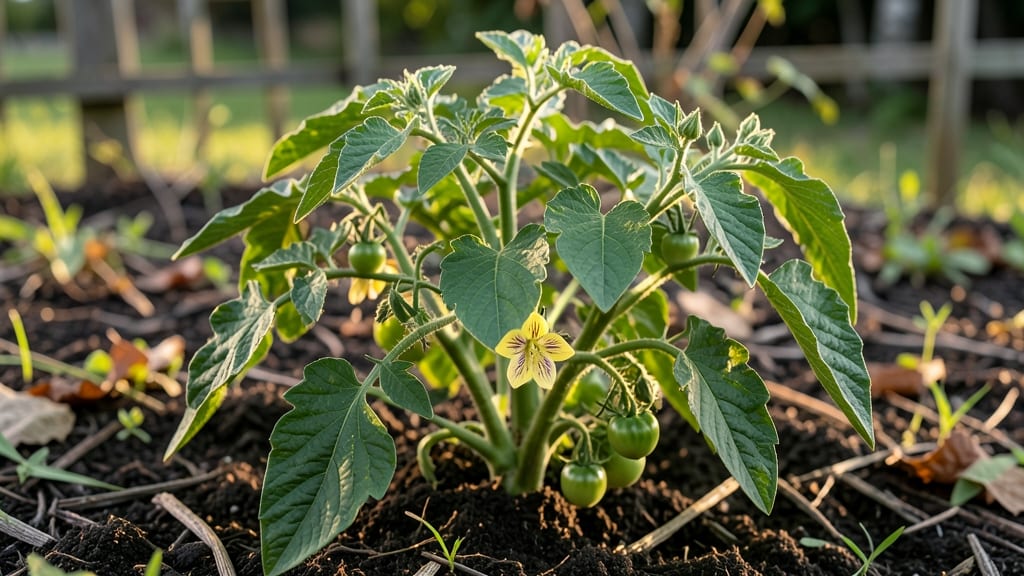
Growing Candyland tomato seeds unlocks a garden showstopper with striped pink-and-yellow fruits that taste sweeter than store-bought. 🌱 I fell for this heirloom after seeing its disease-resistant leaves and the way the stripes deepen as they ripen—like nature’s own candy cane.
The secret to success starts with rich, well-draining soil (pH 6.0-6.8) and a sunny spot getting 6-8 hours of light daily. Unlike fussy hybrids, Candylands thrive with consistent moisture—think of it as a thirsty plant that rewards patience with 2-3 pounds of fruit per vine by midsummer.
You’ll spot the first striped blossoms in 60-70 days, and the flavor? A perfect balance of tangy and sweet, with a texture that’s just firm enough for slicing. The real magic? Their blight resistance means fewer chemical sprays and more harvests.
Best for containers or trellises (they grow 4-6 feet tall), and they handle heat better than most heirlooms. Here’s how to avoid the one mistake that kills yields—overcrowding.
📚 In This Guide
- What you need
- Instructions
- Tips and common mistakes
- Wrapping up and next steps
What you need
- ● Candyland tomato seeds: 5–10 seeds (or more if sharing with friends!).
- ● Seed-starting mix: 1–2 gallons of sterile, well-draining potting soil (avoid garden soil—it’s too dense!).
- ● Seed trays or small pots: 4–6" deep, with drainage holes (biodegradable pots work great!).
- ● Grow lights or sunny windowsill: A full-spectrum LED grow light (12–16 hours/day) or a south-facing window.
- ● Spray bottle: For gentle watering (avoid soaking seeds!).
- ● Plastic wrap or humidity dome: To keep seedlings cozy until germination.
- ● Fertilizer: A balanced, water-soluble fertilizer (5-10-5 or 10-10-10) for transplanting.
- ○ Heat mat (optional): Speeds up germination (70–80°F is ideal).
- ● Plant labels: Mark varieties to avoid mix-ups (Candyland’s stripes are iconic!).
- ● Transplanting pots: 1–2 gallon containers or garden beds (after hardening off).
- ● Trellis or stakes: Candyland tomatoes grow indeterminate—support them early!
- ● pH testing kit: Keep soil pH between 6.0–6.8 for optimal growth.
- ● Organic mulch: Straw or grass clippings to retain moisture and suppress weeds.
Step-by-step instructions for growing Candyland tomato seeds
Here's my foolproof method for nurturing Candyland tomato seeds into vigorous, disease-resistant plants with those stunning striped fruits.
🌱 Step 1: Prepare Containers and Seed Starting Mix
Fill clean, 2-3 inch deep containers with a sterile seed-starting mix—never garden soil, which can harbor pathogens. I swear by biodegradable peat pots because they eliminate transplant shock later. Moisten the mix until it holds together when squeezed but doesn't drip, creating the perfect balance for delicate roots.
Press the soil down lightly to remove air pockets, then tap the container gently on the table. This ensures even contact between seeds and soil. Here's the thing—Candyland seeds are sensitive to over-compaction, so keep your hand loose. You'll know it's right when the surface feels firm but still crumbles easily.
🌱 Step 2: Sow Seeds at Optimal Depth
Plant 1-2 seeds per cell at a depth of ¼ inch—about the diameter of the seed itself. Candyland's striped varieties germinate best when not buried too deep. Cover lightly with a thin layer of additional mix, then mist gently with a spray bottle until evenly moist. A heavy watering will dislodge seeds and bury them too deeply.
I label each pot immediately with the variety and date—after a week, identical green sprouts will look identical. Place the tray in a 75-85°F environment. A seedling heat mat works wonders here, keeping soil 10°F warmer than room temperature and speeding germination to 5-10 days. Watch for the first true leaves to appear before removing any covers.
☀️ Step 3: Provide Ideal Light Conditions
The moment seedlings emerge, they need 14-16 hours of light daily. A south-facing window rarely provides enough intensity, so I use a full-spectrum LED grow light positioned 2-4 inches above the plants. Raise it as they grow to maintain that gap. Without sufficient light, Candyland seedlings stretch desperately, becoming weak and leggy.
You'll see strong seedlings have thick stems, deep green color, and compact spacing between leaves. If stems grow thin and pale with leaves spaced far apart, your light is too distant. Rotate pots weekly to prevent leaning toward the light source. This ensures even growth and prevents the plants from becoming lopsided.
🌿 Step 4: Harden Off Before Transplanting
Two weeks before your last frost date, begin hardening off the seedlings. Place them outside in a sheltered, shaded spot for 1-2 hours the first day. Gradually increase outdoor time by 1 hour daily over 10-14 days, slowly introducing more sun and wind. This process prepares them for the garden without shock.
Skipping this step burns leaves and breaks stems. Once seedlings tolerate a full day outside without wilting, they're ready for transplanting. Choose an overcast afternoon to reduce transplant shock and water deeply at the base. Candyland tomatoes thrive in full sun and well-draining soil, so select a location that gets at least 6-8 hours of sunlight daily.
✂️ Step 5: Maintain and Support Growth
After transplanting, water deeply once a week, allowing the top 2 inches of soil to dry between waterings. Candyland's disease resistance shines when plants aren't stressed by overwatering. Install cages or stakes at planting time—these tomatoes can grow 4-5 feet tall and need support to prevent sprawling.
Prune suckers regularly to focus energy on fruit production. You'll recognize suckers as small shoots growing in the joint between the stem and a branch. Pinch them off when they're 1-2 inches long. This encourages stronger stems and more abundant striped fruits. Harvest when tomatoes reach full color and are slightly soft to the touch.
Tips & tricks for perfect Candyland tomato seedlings
Growing Candyland tomato seeds successfully comes down to a few key details that make all the difference between fragile seedlings and thriving plants.
Soil Preparation: Sterilizing your seed-starting mix is non-negotiable—Candyland's disease resistance starts with pathogen-free soil. I microwave my mix for 2 minutes to kill any hidden pathogens, then let it cool completely before use. For extra insurance, add a thin layer of horticultural sand to improve drainage in those 2-3 inch deep containers. This prevents the delicate roots from sitting in soggy conditions that invite rot.
Germination Environment: The 75-85°F temperature range is critical—any cooler and germination slows dramatically. I place my seed trays on a seedling heat mat set to 80°F and cover them with clear plastic wrap to create a humid microclimate. Remove the cover as soon as you see the first true leaves appear, usually within 5-10 days. This prevents mold while maintaining humidity during those early days.
Light Management: Those 14-16 hours of light daily aren't just about duration—the quality matters too. I've found that full-spectrum LED grow lights positioned 2-4 inches above the plants (closer when seedlings are small) provide the perfect spectrum. Watch for seedlings leaning toward the light—this means they're stretching for more intensity. Rotate your trays quarter-turn daily to ensure even growth. The goal is compact, sturdy stems with leaves spaced 1 inch apart.
Transplant Timing: The 10-14 day hardening-off period is where most beginners rush the process. Start with just 1-2 hours of outdoor exposure on day one, then increase by 1 hour daily. I place my seedlings in a sheltered spot where they'll receive morning sun but afternoon shade. This gradual transition prevents sunburn and builds resilience. By the time they're ready to transplant, they'll handle full sun without wilting.
Pro Tips for Candyland Tomato Seeds
- Growing Candyland tomato seeds successfully comes down to a few key details that make all the difference between fragile seedlings and thriving plants.
- Soil Preparation: Sterilizing your seed-starting mix is non-negotiable—Candyland's disease resistance starts with pathogen-free soil.
- Germination Environment: The 75-85°F temperature range is critical—any cooler and germination slows dramatically.
Frequently asked questions
Got questions about growing Candyland tomato seeds?
You're not alone! Here are some of the most common queries—plus quick answers to help you grow striped, sweet success.
How long does it take for Candyland tomato seeds to germinate?
Candyland tomato seeds typically germinate in 5–14 days when kept in warm (70–85°F), moist soil. For faster sprouts, pre-soak seeds in warm water for 6–8 hours before planting. Pro tip: Use a heat mat if your home runs cool!
What’s the best temperature range for growing Candyland tomatoes?
These striped beauties thrive in 70–85°F daytime temps and 60°F+ at night. If nights dip below 55°F, use row covers or black plastic mulch to protect plants. Candyland’s disease-resistant, but cold stress can slow growth.
Can I grow Candyland tomatoes in containers, or do they need a garden bed?
Candyland tomatoes do well in 5-gallon+ containers with proper support (like cages or stakes). Just ensure the pot has drainage holes and use a balanced fertilizer every 2–3 weeks. Bonus: Container growing reduces disease risk from soil-borne pathogens.
Why are my Candyland tomato leaves turning yellow or spotted?
Yellow leaves often signal overwatering, nutrient deficiency (like nitrogen), or early blight. For spots: rotate crops next season and avoid wetting foliage. Candyland’s disease-resistant, but prune lower leaves to improve airflow. Fix it: Test soil pH (6.0–6.8 ideal) and adjust with lime or sulfur.
What’s a good alternative if Candyland seeds are unavailable?
Try these striped or heirloom tomatoes: ‘Striped Roman,’ ‘Black Krim,’ or ‘Green Zebra’. All offer unique flavors and disease resistance. For a similar indeterminate (vining) habit, ‘Solar Fire’ is another great pick.
Wrapping up and next steps
Growing Candyland tomato seeds is a rewarding journey that brings vibrant, striped fruits and robust disease resistance to your garden! 🌱 These heirloom varieties aren’t just visually stunning—they’re also a delicious and hardy addition to any harvest.
Whether you're a seasoned gardener or just starting, their ease of care makes them a fantastic choice.
Now that you’re armed with tips and answers, it’s time to plant those seeds and watch your garden transform! Start small, experiment with containers or garden beds, and enjoy the sweet rewards of your labor. Happy growing—your future Candyland tomatoes are waiting! 🍅✨