
Vegetables
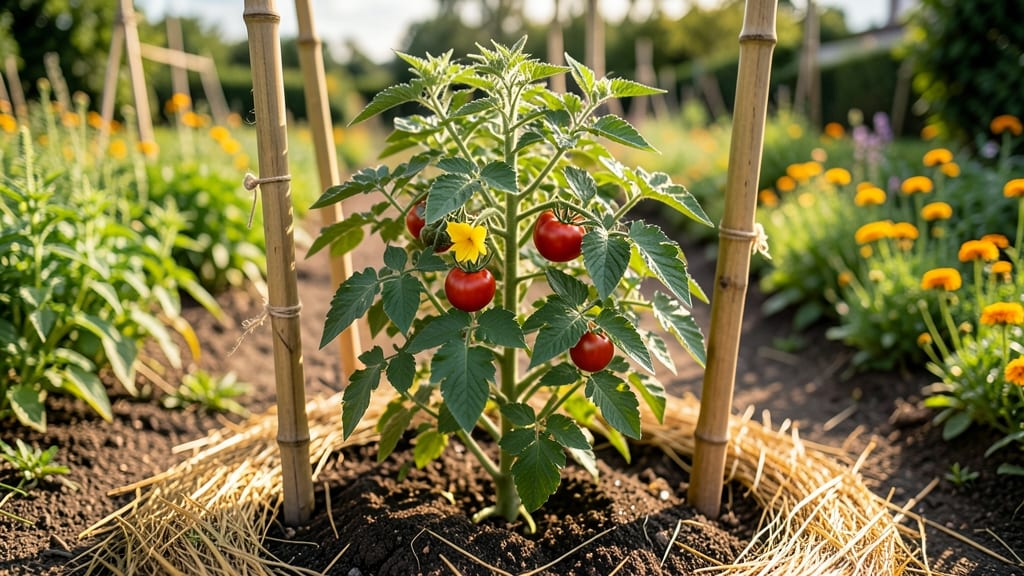
When growing Black Beauty tomatoes, the determinate vs indeterminate battle decides your harvest size and garden layout. 🌱 I’ve grown both types, and the difference isn’t just in how tall they climb—it’s in how they feed your family all season.
Determinate varieties stop growing after a set height, while indeterminate ones keep reaching skyward, producing fruit until frost. Determinate Black Beauties stay compact (around 3-4 feet tall), making them perfect for containers or small raised beds.
They ripen all at once, so you’ll have a bounty of deep purple-black tomatoes in 2-3 weeks—great for canning or fresh eating. Indeterminate types, though, stretch 6-10 feet and produce continuously, giving you a trickle of tomatoes from summer until fall.
Pruning indeterminate plants keeps them manageable and boosts yield. The trade-off? Determinate plants need less support but fewer tomatoes over time, while indeterminate ones demand strong cages or trellises but reward you with a never-ending supply.
I’ve seen indeterminate Black Beauties produce 50+ pounds in a season if pruned right—just imagine the salsa! Whether you’re working with a balcony pot or a sprawling backyard, knowing which type fits your space and goals changes everything. Here’s how to pick the right one for your garden’s needs.
📚 In This Guide
- What you need
- Instructions
- Tips and common mistakes
- Wrapping up and next steps
What you need
- ● Black Beauty tomato seeds or seedlings: Choose determinate (bush-type, ~3-4 ft tall) or indeterminate (vining, 6-10+ ft tall) based on your space and goals. Quantity: 2-4 plants (or seeds for DIY starters).
- ● High-quality potting mix: 10-15 lbs of sterile, well-draining mix (e.g., 60% compost, 30% coconut coir, 10% perlite). Pro tip: Avoid garden soil—it can harbor diseases! 🌡️
- ● Containers or garden space: Determinate: 5-gallon pots or raised beds (18"x18" minimum).
- ● Indeterminate: 10-gallon+ pots or trellises in a sunny garden spot (6+ hours of light).
- ● Tomato cages or stakes: Determinate: 4-5 ft tall cages (1 per plant).
- ● Indeterminate: 6-8 ft stakes + garden twine or a heavy-duty trellis (2-3 per plant).
- ● Fertilizer: Balanced organic fertilizer (10-10-10) or tomato-specific feed (e.g., fish emulsion). Quantity: 1 lb per 10 sq ft of garden.
- ● Hand trowel or transplant spade (for planting).
- ● Pruning shears (for indeterminate varieties—prune suckers to boost fruit production!).
- ● Mulch (straw or black plastic) (to retain moisture and suppress weeds).
- ● pH test kit (ideal soil pH: 6.0–6.8).
- ● Drip irrigation or watering can (consistent moisture = happier tomatoes!).
- ● Row covers (for early-season frost protection, if needed).
Determinate vs. indeterminate Black Beauty tomatoes: how to choose the right growth habit
This is where the real decision begins—understanding how your Black Beauty tomatoes will grow determines everything from trellising to harvest timing.
🌱 Step 1: Understand Determinate Growth Patterns
Determinate Black Beauty tomatoes grow in a bush-like shape, reaching a 4-5 foot height before stopping. They produce fruit all at once over a 2-3 week window, making them perfect for canning or large-scale harvests. The key visual clue is their compact, self-supporting structure—no need for heavy staking. This habit comes from genetic programming that triggers flowering at the terminal bud, halting vertical growth.
Here's the thing—determinate varieties like Black Beauty (when grown determinately) are ideal for small spaces or container growing. Their shorter vines mean less pruning and simpler support systems. You'll notice the first flowers appear near the top of the plant early, followed by a synchronized fruit set that ripens together. This makes them a favorite for gardeners who want predictable harvests and minimal maintenance.
🌿 Step 2: Analyze Indeterminate Growth for Extended Harvests
Indeterminate Black Beauty tomatoes (if available—most Black Beauty seed is determinate) would grow indefinitely until frost, producing fruit continuously from mid-summer through fall. These vines can reach 6-10 feet if unchecked, requiring strong trellising and regular pruning. The growth habit shows as unlimited vertical expansion with flowers appearing along the stems as the plant grows taller.
Real talk: Most commercial Black Beauty seeds are determinate, but some heirloom sources may carry indeterminate traits. If you're working with indeterminate stock, you'll need to prune suckers aggressively to direct energy to fruit production. Watch for new growth at leaf axils—these are your suckers, and removing them prevents overcrowding. Indeterminate types give you longer harvest windows but require more hands-on management.
✂️ Step 3: Match Growth Habit to Your Garden Space
For small gardens or containers, determinate Black Beauty is your best bet. Their compact size fits neatly in 4-5 gallon pots or 2-3 foot wide garden beds. You'll see full fruit set within 60-70 days from transplant, making them ideal for short-season climates. The trade-off? You get one big harvest instead of a prolonged one.
If you have vertical space and want continuous picking, look for indeterminate Black Beauty varieties (though they're rare). You'll need 6-foot trellises or cage systems to support the weight. Here's what to watch for: fruit ripening at different times along the vine, giving you weeks of harvests instead of days. This works best in longer growing seasons where frost comes late.
☀️ Step 4: Adjust Care Based on Growth Type
Determinate plants need less frequent pruning—just remove yellow leaves and suckers at the base to improve airflow. You'll see fruit clusters forming at the top and sides of the plant, so focus on supporting the weight with lightweight cages or stakes. Watering becomes critical once fruit sets—consistent moisture prevents cracking in these heavy tomatoes.
Indeterminate types demand weekly pruning to remove suckers and direct energy to fruit production. You'll notice new growth constantly, so stay vigilant. These plants also need more frequent watering because their extensive root systems dry out faster. The payoff? You'll harvest tomatoes of varying sizes over 8-10 weeks, perfect for fresh eating all season.
⏰ Step 5: Plan for Harvest Timing Differences
With determinate Black Beauty, all fruit ripens within 2-3 weeks, so plan your canning or preserving schedule accordingly. You'll see color changes from green to deep purple-black across the entire plant simultaneously. This makes them great for batch processing—just be ready to act fast once the first tomatoes turn color.
Indeterminate varieties give you a staggered harvest with fruit ripening at different rates. You'll pick a few tomatoes here, a few there over weeks, extending your fresh eating window. The downside? You can't rely on a single harvest window for canning. Watch for color changes starting at the bottom of the plant and working upward—this is your cue to start checking daily.
Tips & tricks for growing Black Beauty tomatoes
Choosing between determinate and indeterminate Black Beauty tomatoes can transform your garden's productivity and ease of care.
Growth Habit Visual Cues: For determinate plants (the most common Black Beauty), look for the first flowers appearing near the top of the plant within the first 60-70 days. These plants will develop a compact, bushy structure with fruit clusters forming at the terminal bud—this is your signal that vertical growth will stop. The synchronized fruit set means you'll see color changes from green to deep purple-black across the entire plant simultaneously within that critical 2-3 week window.
Pruning Strategy for Indeterminate Types: If you're working with rare indeterminate Black Beauty varieties, here's what nobody tells you—prune suckers weekly from the moment you notice new growth at leaf axils. These suckers (the small shoots between main stems and branches) compete with fruit production. Use sharp pruners to make clean cuts at the base of these shoots. I've seen gardeners skip this step and end up with half the expected yield because energy went to foliage instead of tomatoes.
Support System Secrets: Determinate plants need lightweight cages or stakes—think 3-4 foot tall tomato cages—to support their 4-5 foot height and heavy fruit clusters. For indeterminate types, invest in 6-foot trellises or heavy-duty cages that can handle 6-10 foot vines. Here's my game-changer: Wrap the trellis with twine and attach it to the cage at multiple points along the vine's length. This creates a "ladder" for the plant to climb, distributing weight more evenly and preventing breakage.
Watering Timing: The moment fruit sets (visible as small green tomatoes), switch to consistent watering every 2-3 days—never let the soil dry out completely. For determinate varieties, this prevents cracking in their heavy tomatoes. Indeterminate types need even more frequent watering because their extensive root systems dry out faster. I water indeterminate plants every 1-2 days during hot weather, checking soil moisture by pushing my finger 1-2 inches deep—if it's dry, it's time to water.
Pro Tips for Black Beauty Tomato Determinate Or Indeterminate
- Choosing between determinate and indeterminate Black Beauty tomatoes can transform your garden's productivity and ease of care.
- Growth Habit Visual Cues: For determinate plants (the most common Black Beauty), look for the first flowers appearing near the top of the plant within the first 60-70 days.
- Pruning Strategy for Indeterminate Types: If you're working with rare indeterminate Black Beauty varieties, here's what nobody tells you—prune suckers weekly from the moment you notice new growth at leaf axils.
Frequently asked questions
about the Black Beauty tomato—whether determinate or indeterminate—can help you grow the perfect crop. Here are some common queries to set you up for success!Is the Black Beauty tomato determinate or indeterminate?
The Black Beauty tomato is indeterminate by nature, meaning it grows tall and produces fruit continuously throughout the season. If you’re growing it in containers or small spaces, you may prune it to encourage determinate-like behavior, but it won’t be a true determinate variety. For compact growth, consider Black Plum or Black Cherry determinate types instead.
How long does it take for Black Beauty tomatoes to ripen?
From transplanting, Black Beauty tomatoes typically take 70–85 days to mature, depending on climate and growing conditions. In warmer regions, you might see fruit ripening sooner, while cooler areas may extend the timeline. Planting in late spring after the last frost ensures optimal timing for a bountiful harvest.
Can I grow Black Beauty tomatoes in containers?
Yes! Since Black Beauty is indeterminate, it thrives in containers if given enough space—aim for a 5-gallon pot or larger with sturdy supports (like cages or stakes). Use well-draining soil and fertilize regularly to compensate for limited root space. Just be prepared for pruning to manage vine growth and encourage airflow.
What are common pests or diseases for Black Beauty tomatoes, and how do I prevent them?
Black Beauty tomatoes are prone to blight, aphids, and hornworms. To prevent issues:
- Rotate crops annually to avoid soil-borne diseases.
- Use row covers early in the season to deter pests.
- Prune lower leaves for better airflow and reduce humidity.
- Apply neem oil or insecticidal soap as a natural remedy.
What’s a good determinate alternative to Black Beauty?
If you prefer a determinate variety with similar flavor and dark color, try:
- Black Krim – Disease-resistant and rich in flavor.
- Black Cherry – Compact, sweet, and perfect for snacking.
- Patio (e.g., Patio Black Cherry) – Great for containers.
Wrapping up and next steps
Choosing between determinate and indeterminate Black Beauty tomatoes comes down to your garden space, goals, and maintenance style—but there’s no wrong pick! Determinate plants are perfect for small spaces or heavy harvests in one go, while indeterminate vines reward patient gardeners with a longer, bountiful season.
Whichever you choose, you’re growing a flavorful, classic favorite that’s sure to impress.
Ready to get growing? Start with healthy seeds or seedlings, plan your support system (cages or trellises!), and watch your Black Beauty thrive! 🌱 For even more tips, check out our tomato-growing checklist—happy planting!